
 EN
EN



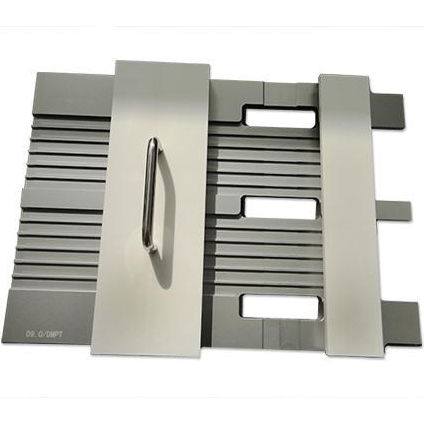
Blister packing stands as one of the most critical packaging solutions in the healthcare and pharmaceutical industries, offering unmatched protection for delicate medical products that demand precision handling. When medical devices, medications, and sensitive components face the rigors of distribution, storage, and handling, blister packing provides a reliable barrier that maintains product integrity from manufacturing facility to patient bedside. The importance of blister packing cannot be overstated, as it directly influences product safety, regulatory compliance, and end-user confidence in medical applications.
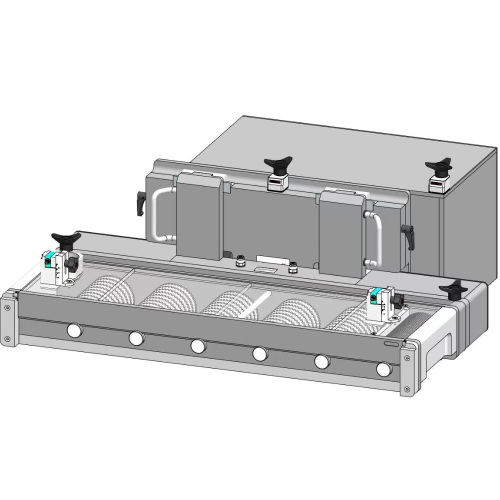
The protective capabilities of blister packing extend far beyond simple containment. Blister packing creates a sealed environment that shields products from contamination, moisture exposure, and physical damage while maintaining visibility for quality inspection and regulatory documentation. This combination of protection and transparency makes blister packing the industry standard for countless medical applications across global markets.
Physical Protection Through Strategic Design
Structural Integrity and Impact Resistance
Blister packing employs a dual-layer design that absorbs shock and prevents product movement during transit. The cavity portion of blister packing holds the medical product securely in place, while the backing card provides structural support. This innovative approach means that delicate instruments, fragile components, and sensitive medications remain exactly where they should be, eliminating the risk of internal shifting that could cause damage. The rigidity of blister packing materials ensures that external pressure during warehousing and transportation does not compromise the enclosed product.
Material Selection for Optimal Protection
The materials used in blister packing range from thermoformed plastics to rigid composite structures, each selected based on product specifications and protection requirements. Premium-grade materials in blister packing resist puncture, tear, and degradation, ensuring that the package maintains its protective seal throughout the product lifecycle. When manufacturers invest in quality blister packing materials, they significantly reduce product loss, warranty claims, and reputational damage from damaged shipments.
Environmental and Contamination Barriers
Moisture and Oxygen Control
Medical products often require protection from moisture and oxygen exposure that could trigger degradation. Blister packing achieves this through carefully engineered sealing processes that create hermetic barriers, preventing environmental intrusion. This capability of blister packing is especially critical for pharmaceutical products, diagnostic devices, and sterile instruments where even trace moisture contamination could render products ineffective or unsafe. The sealed environment maintained by blister packing extends shelf life and preserves product efficacy across diverse storage conditions.
Contamination Prevention and Regulatory Compliance
Blister packing provides a tamper-evident solution that meets stringent healthcare regulations and patient safety standards. The transparent nature of blister packing allows inspection personnel and end-users to verify product presence and condition without opening the package, reducing contamination risk. Additionally, blister packing can incorporate security features such as holograms, batch codes, and tracking information that support regulatory compliance and supply chain authentication. These features demonstrate that blister packing goes beyond basic protection to address critical industry compliance requirements.
Industry Applications and Real-World Impact
Pharmaceutical and Medical Device Solutions
Blister packing serves pharmaceutical companies by packaging tablets, capsules, and injectables in configurations that maintain stability and patient compliance. Medical device manufacturers rely on blister packing to protect surgical instruments, diagnostic components, and implantable devices that require sterile or clean conditions. The versatility of blister packing extends to over-the-counter medications, vitamins, and nutraceuticals where consumer confidence depends on visible product presence and integrity. This widespread adoption of blister packing across healthcare segments demonstrates its essential role in modern medical product distribution.
Supply Chain and Distribution Benefits
When healthcare products traverse global supply chains, blister packing provides consistent protection across temperature variations, humidity fluctuations, and handling stresses. The stackability and space efficiency of blister packing reduce shipping volumes and logistics costs while maintaining superior product protection compared to alternative packaging methods. Manufacturers who optimize blister packing dimensions and weight achieve significant competitive advantages in international markets. The durability of blister packing also means fewer replacement shipments, returns, and customer service issues throughout the distribution network.
FAQ
What materials are commonly used in blister packing for medical products?
Blister packing typically utilizes polyvinyl chloride (PVC), polystyrene, polypropylene, or polyethylene terephthalate (PET) for the cavity component, combined with paperboard or aluminum backing. Material selection for blister packing depends on product compatibility, moisture barrier requirements, and regulatory specifications. Premium formulations may include specialized coatings that enhance the protective properties of blister packing for sensitive pharmaceutical applications.
Can blister packing be customized for specific medical device shapes and sizes?
Yes, blister packing can be custom-designed through thermoforming tooling to accommodate virtually any product geometry. Manufacturers can create cavity shapes that precisely fit their medical products, ensuring maximum security and minimal wasted space. Custom blister packing solutions allow healthcare companies to differentiate their products in the market while maintaining optimal protection and manufacturing efficiency.
How does blister packing compare to alternative medical product packaging methods?
Blister packing outperforms rigid boxes and pouch packaging by combining superior shock absorption, visibility, and tamper evidence in a single solution. While blister packing requires higher initial tooling investment, the per-unit cost remains competitive compared to alternatives, especially for high-volume production runs. The regulatory acceptance and proven track record of blister packing make it the preferred choice for regulatory agencies and healthcare professionals who prioritize product safety and authenticity verification.