
 EN



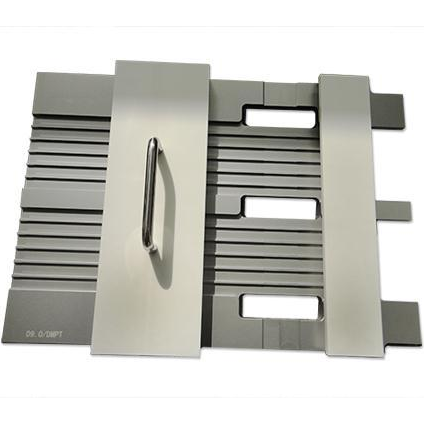
The manufacturing and pharmaceutical industries face mounting pressure to reduce operational waste while maintaining product quality and safety. One critical yet often overlooked solution lies in optimizing tube feeding systems, which directly impacts product packing efficiency and waste reduction. When tube feeding processes are properly engineered and executed, they create measurable improvements in material utilization, reduce scrap rates, and lower overall packaging costs. Understanding how tube feeding reduces packing waste begins with recognizing that precise material delivery at the point of filling or forming minimizes excess product, spillage, and rework requirements during the packing stage.
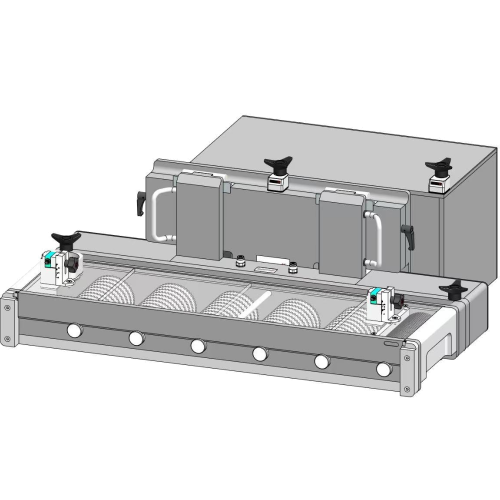
Tube feeding represents a controlled method of delivering products through precise channels into filling equipment, containers, or forming molds. This systematic approach to material movement ensures consistent flow rates, eliminates uncontrolled product entry, and prevents the spillage and contamination that plague manual or poorly designed feeding systems. By implementing efficient tube feeding infrastructure, manufacturers unlock significant efficiency gains that cascade through the entire packaging workflow, transforming waste reduction from a cost center into a competitive advantage.
How Tube Feeding Improves Material Precision and Reduces Spillage
Controlled Product Delivery Through Tube Feeding Systems
Efficient tube feeding delivers products with engineered precision that manual methods cannot achieve. When tube feeding channels materials into filling heads or forming equipment, the controlled flow eliminates bouncing, splashing, or scattering of products into non-target areas. This precision directly reduces the volume of material that must be cleaned up, repacked, or discarded after the packing cycle. The cost of recovering and reprocessing scattered product often exceeds the cost of the material itself when labor, facility space, and secondary handling are factored in, making tube feeding an economically sound investment.
Minimizing Product Loss During Transition and Transfer
Product transition between manufacturing stages represents one of the largest sources of hidden waste in packing operations. Tube feeding systems transport materials directly from storage or preparation areas to filling stations without intermediate spillage points. By eliminating transfer containers, hopper-to-machine hand-offs, and exposed product paths, tube feeding reduces losses at each connection point. Studies in pharmaceutical and food industries show that optimized tube feeding can reduce transition waste by 15 to 30 percent, a figure that compounds significantly over production runs involving thousands of units.
Tube Feeding Integration With Automated Packing Equipment
Synchronization Between Feeding and Packing Processes
Modern tube feeding operates most effectively when synchronized with automated packing equipment through real-time feedback and flow control mechanisms. When tube feeding rates match the actual consumption speed of filling or forming machines, no excess product accumulates in pipelines where it might degrade, settle unevenly, or create startup waste when equipment cycles begin. Efficient tube feeding systems include pressure sensors, flow monitors, and automated valves that adjust delivery in real time, ensuring that waste from overfilling or underfilling is virtually eliminated. This intelligent integration transforms tube feeding from a passive conduit into an active waste-reduction tool.
Equipment Compatibility and Standardized Tube Feeding Interfaces
Standardized tube feeding interfaces reduce the need for custom adaptations that often introduce inefficiencies and failure points. When equipment manufacturers design compatible tube feeding connection points, machines accept product delivery without gaps, leaks, or backup accumulation. This standardization also simplifies maintenance and changeover procedures, reducing downtime and associated waste from incomplete purging or residual contamination between production runs. Industries adopting standardized tube feeding protocols report faster setup times and lower transition waste, creating additional efficiency layers beyond the direct packing benefits.
Business Impact and Long-Term Waste Reduction Metrics
Quantifying Waste Reduction Through Tube Feeding Implementation
Calculating the return on investment for tube feeding begins with establishing baseline waste measurements before implementation. Most manufacturers find that tube feeding reduces overall packing waste by 20 to 40 percent when compared to manual or unoptimized feeding methods. Waste reduction comes from three primary sources: elimination of spillage during product transfer, reduction of startup and shutdown losses as equipment cycles begin and end, and minimized rework from mispacked or contaminated units. For a facility processing one million units annually with even modest product values, this level of waste reduction translates into six-figure annual savings.
Secondary Benefits Beyond Direct Material Savings
Beyond the immediate material savings, efficient tube feeding generates significant secondary benefits that amplify the financial case for investment. Reduced waste means fewer disposal costs, lower environmental compliance requirements, and decreased material procurement volumes. Worker safety improves when tube feeding eliminates manual handling and exposure to product spills or dust accumulation from scattered materials. Quality metrics improve because less product scrap means fewer defects reaching customers and lower warranty or recall costs. These compounding benefits often double or triple the apparent savings from direct waste reduction calculations alone.
FAQ
What types of products benefit most from tube feeding waste reduction?
Tube feeding delivers the highest waste reduction impact for products where spillage is difficult to recover or where product value is substantial. Pharmaceuticals, nutraceuticals, specialty chemicals, and premium food ingredients see dramatic improvements from tube feeding implementation because waste recovery is either impossible or economically impractical. Granular, powder, and free-flowing liquid products also show exceptional results because they naturally scatter during conventional transfer, making tube feeding intervention particularly valuable. Conversely, products that remain cohesive or contained in existing packaging may see modest improvements, though efficiency gains across the entire packing workflow remain significant.
How quickly does tube feeding investment return through waste reduction?
Payback timelines for tube feeding systems vary based on production volume, product value, and baseline waste levels, but most implementations achieve positive return within 6 to 18 months. Facilities with high-speed operations, expensive materials, or severe existing waste problems often see payback in under one year. The calculation must include not just equipment costs but also installation, integration testing, and operator training, all of which are typically modest compared to the ongoing waste elimination. For ongoing operations, tube feeding creates permanent, cumulative savings that improve profitability year after year without degradation.
Can tube feeding be retrofitted into existing packing equipment?
Yes, tube feeding retrofits are possible on many existing packing systems, though compatibility depends on equipment design and available connection points. Modern tube feeding adapters are engineered to work with diverse equipment architectures, and professional integrators can assess feasibility quickly. Retrofitting costs are substantially lower than purchasing entirely new equipment, making tube feeding a practical upgrade path for manufacturers seeking waste reduction without capital expenditure on full system replacement. The key is working with experienced integrators who understand both your specific equipment and optimal tube feeding configuration for your products.