
 EN



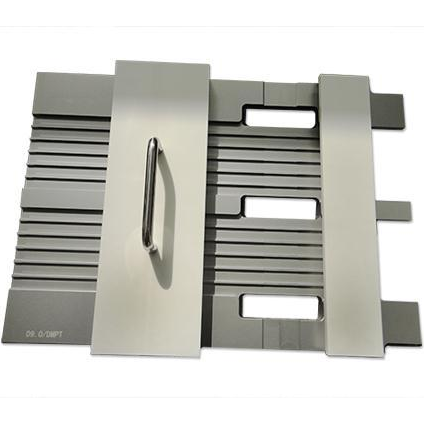
Production wear and tear remain among the most significant cost drivers in modern manufacturing environments. Every minute a machine operates, friction, heat, and mechanical stress accumulate on tooling surfaces, gradually degrading performance and forcing expensive replacements. Multi tip tooling represents a transformative approach to this challenge, enabling manufacturers to dramatically reduce tool degradation while maintaining consistent output quality. By leveraging multiple cutting surfaces and advanced material engineering, multi tip tooling extends operational life, decreases downtime, and ultimately protects your manufacturing investment.
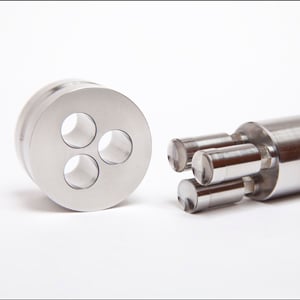
Understanding how multi tip tooling minimizes wear requires examining the mechanics of tool degradation and the structural innovations that counteract it. Traditional single-edge tools concentrate all cutting forces on one surface, accelerating stress concentration and material breakdown. Multi tip tooling distributes this load across several cutting edges, reducing the intensity of force on any single point and spreading wear patterns more evenly throughout the tool's geometry. This distributed approach creates a compounding benefit: each individual tip experiences lower stress, maintains sharper cutting edges longer, and contributes to sustained production performance across extended tool life cycles.
How Multi Tip Tooling Distributes Cutting Forces
Load Distribution Mechanics
Multi tip tooling fundamentally changes how cutting forces interact with tool surfaces during production cycles. When a cutting operation begins, conventional single-tip designs force all mechanical stress onto one edge, creating localized heat concentration and accelerated material degradation. In contrast, multi tip tooling spreads incoming forces across multiple geometrically optimized surfaces, reducing peak stress concentrations that typically trigger wear initiation. This mechanical redistribution means each tip within the multi tip tooling assembly operates at lower stress levels, preserving edge sharpness and structural integrity far longer than traditional alternatives. The result is measurable: reduced thermal cycling, decreased chemical wear rates, and extended intervals between tool replacements.
Material Stress Reduction Benefits
The engineering advantage of multi tip tooling extends beyond simple force spreading into fundamental material science. When stress concentrates on a single edge, localized temperatures can exceed material tolerances, triggering rapid oxidation and chemical bonding failures. Multi tip tooling keeps individual tips cooler by distributing thermal energy across the entire tool assembly, preventing hotspot formation that typically accelerates wear mechanisms. Additionally, spreading mechanical load reduces individual tip deflection, which minimizes vibration-induced micro-fracturing that compounds over production cycles. Manufacturers deploying multi tip tooling in high-speed operations consistently report cooler cutting zones, more stable tool geometry, and dramatically reduced chipping or edge breakdown compared to single-tip alternatives.
Extended Tool Life Through Geometric Optimization
Multi Tip Tooling Design Innovations
Modern multi tip tooling incorporates sophisticated geometric strategies specifically engineered to combat production wear mechanisms. Each cutting surface within the multi tip tooling assembly is precisely angled and positioned to optimize chip evacuation, reduce rubbing surfaces, and maintain consistent engagement angles throughout the cutting cycle. Advanced coating technologies applied to multi tip tooling surfaces create additional barriers against oxidative wear, adhesive tool breakdown, and abrasive particle embedding. The result is a multi tip tooling system that not only distributes forces more effectively but also resists the chemical and thermal mechanisms that initiate material loss. Precision manufacturing tolerances in modern multi tip tooling ensure that all tips share cutting load equally, preventing premature failure on any single edge.
Predictable Wear Patterns and Tool Life Extension
One critical advantage of multi tip tooling is predictability in wear progression. Single-tip tools often fail catastrophically without warning, causing unexpected downtime and scrap production. Multi tip tooling, by contrast, exhibits gradual, measurable wear patterns across multiple surfaces, allowing manufacturers to anticipate tool replacement timing with precision. This predictability enables proactive maintenance scheduling, reducing emergency tool changes and production interruptions. Many manufacturers report tool life extensions of 40 to 60 percent when transitioning from traditional single-tip setups to multi tip tooling, directly translating to lower per-part tooling costs and improved production continuity. The distributed wear pattern also allows for tip rotation or sequential engagement strategies, further maximizing the usable life of each multi tip tooling investment.
Production Efficiency and Cost Reduction Impact
Downtime Reduction and Productivity Gains
Implementing multi tip tooling directly reduces unplanned downtime caused by tool failure, one of the most disruptive factors in manufacturing operations. When a single-tip tool breaks during a production run, the entire machine must stop, requiring tool extraction, replacement, and work-holding re-setup. Multi tip tooling minimizes these interruptions by maintaining cutting capability longer and degrading gradually rather than failing suddenly. Additionally, the extended tool life enabled by multi tip tooling means fewer tool changes per production shift, reducing setup time and allowing operators to focus on maintaining consistent output rather than managing constant tool maintenance cycles. In high-volume production environments, this efficiency gain compounds rapidly, with multi tip tooling delivering measurable improvements in overall equipment effectiveness and throughput.
Long-Term Cost Economics of Multi Tip Tooling
The financial case for multi tip tooling extends beyond simple tool cost reduction. Although individual multi tip tooling units may carry a higher upfront price compared to basic single-tip options, the total cost of ownership typically decreases significantly due to extended intervals between replacements, reduced downtime costs, and improved scrap rates from enhanced cutting stability. Manufacturing facilities that operate continuously benefit most from multi tip tooling investments, as the extended tool life multiplies cost savings across hundreds or thousands of production cycles. Facilities with higher machine utilization rates and tighter quality requirements find that multi tip tooling also reduces defect rates caused by tool edge degradation mid-production, further improving the financial picture. For manufacturers competing on efficiency metrics and cost-per-part economics, multi tip tooling represents a strategic investment that improves both operational metrics and bottom-line profitability.
FAQ
Does multi tip tooling work effectively in all production materials?
Multi tip tooling performs effectively across a broad range of production materials, including aluminum alloys, steel grades, cast iron, and composite materials. However, the specific geometry, coating, and tip material composition within your multi tip tooling assembly should be optimized for your particular material properties and cutting speeds. Consulting with your multi tip tooling supplier about material-specific configurations ensures you achieve maximum performance and wear resistance for your specific production requirements.
How do operators know when multi tip tooling needs replacement?
Modern multi tip tooling often incorporates wear indicators or is integrated into monitoring systems that track performance metrics in real time. Operators can observe gradual performance changes such as increased cutting forces, slightly elevated temperatures, or subtle surface finish variations that signal approaching replacement timing. Unlike single-tip tools that often fail suddenly, multi tip tooling allows for planned, predictable tool changes that can be scheduled during production breaks rather than forcing emergency shutdowns.
What industries benefit most from multi tip tooling investment?
Industries with high-volume production demands, continuous machine operation, or critical quality requirements derive the greatest benefit from multi tip tooling. Aerospace manufacturing, automotive component production, medical device fabrication, and precision industrial equipment manufacturers consistently report strong returns on multi tip tooling investments through reduced downtime and improved part consistency. Even mid-volume facilities benefit from the wear resistance and cost efficiency that multi tip tooling provides across production cycles.