
 EN



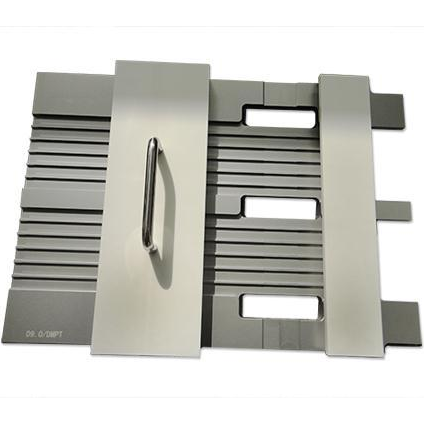
The heating plate serves as one of the most critical components in blister pack production, directly influencing the final product quality, seal integrity, and overall packaging reliability. In pharmaceutical and medical device manufacturing, the heating plate temperature must be precisely calibrated to achieve consistent, defect-free blister packs that meet stringent regulatory standards. When heating plate settings deviate from optimal ranges, manufacturers risk experiencing seal failures, material deformation, product contamination, and costly production downtime. Understanding how heating plate performance impacts blister pack quality is essential for any manufacturer seeking to maintain competitive advantage and ensure consumer safety.
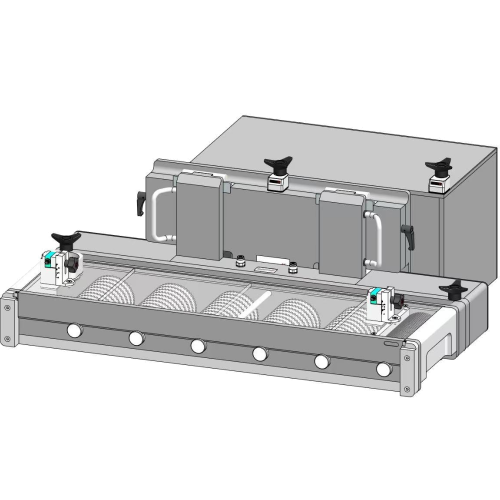
Achieving optimal blister pack quality requires a deep understanding of how heating plate temperature influences seal formation, material properties, and structural integrity throughout the packaging process. The heating plate operates by applying controlled thermal energy to the film-to-foil interface, creating a hermetic seal that protects products from environmental contamination and extends shelf life. Incorrect heating plate temperatures—whether too high or too low—compromise this sealing process and introduce quality defects that can render entire production batches unusable. This comprehensive guide explores the critical relationship between heating plate temperature and blister pack quality, examining the mechanisms, optimization strategies, and industry best practices.
The Role of Heating Plate Temperature in Seal Formation
Thermal Energy Transfer and Interface Bonding
The heating plate operates by transferring thermal energy to the blister film and backing foil, enabling the adhesive layer to soften and create a permanent bond between materials. When the heating plate reaches optimal temperature, it allows the adhesive to flow uniformly across the seal area without degrading the structural integrity of either material. The heating plate temperature must remain consistent across its entire surface to ensure uniform seal quality throughout every blister cavity. Variations in heating plate temperature distribution can create weak zones where seals fail prematurely, allowing moisture and oxygen ingress that compromise product stability and safety.
Adhesive Activation and Chemical Composition
Different blister pack materials and adhesive formulations require specific heating plate temperature ranges to achieve optimal activation without thermal decomposition. The heating plate must reach temperatures high enough to activate the adhesive's bonding properties but remain below the thermal degradation threshold of the film and foil materials. When heating plate temperature exceeds material tolerance limits, the film shrinks, distorts, or melts, creating dimensional inconsistencies and seal defects. Understanding the precise thermal requirements of your specific blister pack materials ensures the heating plate delivers consistent, reliable seal formation across production runs.
Quality Defects Associated with Heating Plate Temperature Deviations
Inadequate Heating Plate Temperature and Weak Seals
When heating plate temperature falls below optimal ranges, the adhesive does not fully activate, resulting in incomplete bonding between the film and foil. Weak seals created by insufficient heating plate temperature compromise package integrity during handling, transportation, and storage, exposing products to contamination and degradation. These defects often remain undetected until products reach distribution or consumer hands, creating significant liability, regulatory compliance issues, and brand damage. Low heating plate temperatures also extend processing time and reduce production throughput, increasing operational costs while simultaneously degrading quality metrics.
Excessive Heating Plate Temperature and Material Damage
Conversely, excessively high heating plate temperature causes film shrinkage, foil warping, and adhesive over-flow beyond the intended seal zone. The heating plate thermal stress can create brittleness in the film material, causing cracks and separation during blister formation or post-production handling. Excessive heating plate temperature also risks thermal degradation of temperature-sensitive pharmaceutical products sealed within the blister cavities, compromising therapeutic efficacy and safety profiles. Material discoloration, odor development, and chemical composition changes indicate heating plate temperature has exceeded safe operating parameters.
Temperature Gradient and Consistency Problems
Inconsistent heating plate temperature distribution creates seal defects ranging from partial bonding to complete sealing failures across individual blisters or entire production batches. Cold spots on the heating plate surface receive insufficient thermal energy, while hot spots cause localized material degradation and adhesive over-curing. These heating plate temperature inconsistencies introduce variability into production quality metrics, making it impossible to achieve reliable, predictable blister pack performance. Regular heating plate calibration, maintenance, and thermal imaging validation ensure uniform temperature distribution and consistent seal quality throughout production cycles.
Optimizing Heating Plate Temperature for Superior Blister Pack Quality
Material-Specific Temperature Calibration
Each blister pack material combination—including film types, foil specifications, and adhesive formulations—requires individualized heating plate temperature optimization to achieve maximum seal strength and aesthetic quality. Pharmaceutical manufacturers must conduct thermal profiling studies during product development to establish the precise heating plate temperature range that maximizes seal integrity without compromising material properties. The heating plate temperature window is typically narrow, requiring automated monitoring systems and real-time feedback mechanisms to maintain specifications throughout production runs. Documenting optimal heating plate temperature parameters for each product formulation ensures consistent quality and facilitates rapid production line setup when materials or specifications change.
Real-Time Monitoring and Temperature Control Systems
Modern blister packing equipment incorporates heating plate temperature sensors and automated control systems that maintain precise thermal parameters throughout production cycles. These systems detect heating plate temperature deviations in real-time and automatically adjust heating elements to maintain optimal settings within ±2°C tolerances. Continuous heating plate temperature monitoring prevents drift that accumulates during extended production runs, maintaining consistent blister pack quality from first cavity to final unit produced. Integration of heating plate temperature data into quality management systems enables rapid root cause analysis when defects occur and supports continuous improvement initiatives.
Preventive Maintenance and Thermal Performance Verification
Regular heating plate inspection, cleaning, and maintenance preserve thermal uniformity and prevent degradation of heating element performance that compromises blister pack quality over time. Thermal imaging cameras and infrared sensors verify heating plate temperature distribution across the entire sealing surface, identifying hot spots or cold zones before they impact production. Scheduled heating plate calibration against certified temperature standards ensures accuracy and prevents drift that accumulates undetected without verification protocols. Implementing preventive maintenance schedules based on production volume and equipment manufacturer recommendations maximizes heating plate longevity while sustaining optimal blister pack quality throughout equipment lifecycle.
FAQ
What happens if heating plate temperature is too low?
When heating plate temperature is too low, the adhesive does not fully activate, resulting in weak seals that fail during handling or storage. Products become exposed to moisture, oxygen, and contamination, compromising safety and efficacy. Low heating plate temperature also reduces production efficiency, extending cycle times and reducing throughput without improving quality metrics.
How does heating plate temperature affect film and foil materials?
Excessive heating plate temperature causes film shrinkage, foil warping, and potential thermal degradation of sensitive pharmaceutical contents. The heating plate thermal stress can create brittleness in materials, causing cracks and separation during or after production. Optimal heating plate temperature balances seal formation with material preservation, ensuring long-term structural integrity and product protection.
How often should heating plate temperature be calibrated?
Heating plate temperature should be verified and calibrated according to equipment manufacturer recommendations, typically monthly or quarterly depending on production volume and equipment age. Thermal imaging verification should occur more frequently, at least weekly, to detect temperature gradient problems before they impact blister pack quality. Continuous monitoring systems reduce manual calibration frequency but do not eliminate the need for periodic verification against certified temperature standards.