
 EN



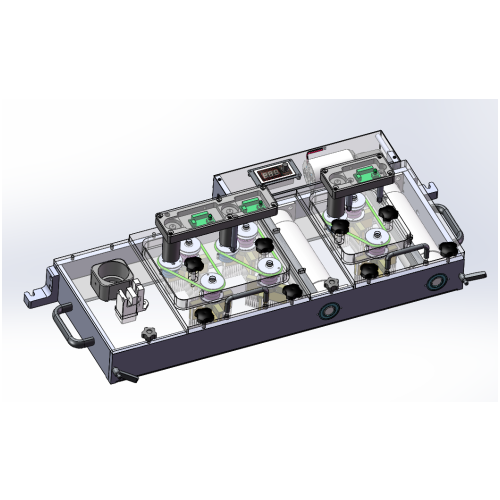
Tube feeding has become an essential component in modern automated manufacturing and industrial production systems. Understanding what tube feeding is and how it operates provides critical insight into optimizing production workflows, reducing manual labor, and improving overall equipment efficiency. In automation environments, tube feeding represents a precise, repeatable method of delivering materials, components, or products through controlled conduits to subsequent processing stages or assembly points.
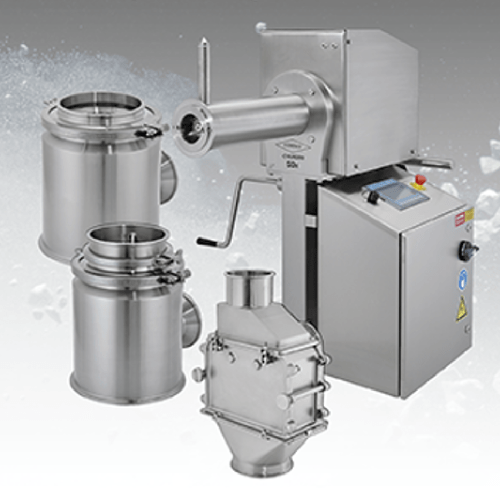
Tube feeding systems work by transporting discrete items, powders, or liquid materials through tubular pathways using pneumatic, mechanical, or vibratory force. This method ensures consistent material flow, minimizes product damage, reduces spillage, and maintains high-speed production rates across diverse industrial sectors including pharmaceuticals, food processing, electronics manufacturing, and automotive assembly. The core principle behind tube feeding is creating a controlled environment where materials move predictably from input to output with minimal human intervention.
Core Principles of Tube Feeding in Automation
How Tube Feeding Mechanisms Operate
Tube feeding works through a series of coordinated mechanical or pneumatic actions that propel materials along a defined path. The basic tube feeding process begins with material loading into an inlet chamber, followed by activation of the driving mechanism—whether pneumatic pressure, vibration, or mechanical auger rotation—to move the material through the tube. This tube feeding approach maintains consistent velocity and prevents material segregation, which is particularly important when handling delicate components or homogeneous mixtures that cannot tolerate disruption.
In pneumatic tube feeding systems, compressed air creates differential pressure that moves materials through the tube at controlled speeds. Mechanical tube feeding employs augers, screws, or conveyor elements to physically push or pull items through the conduit. Vibratory tube feeding uses oscillating motion to gently advance materials without compression or damage. Each tube feeding variant offers distinct advantages depending on material properties, production speed requirements, and quality specifications. The choice of tube feeding technology directly impacts production efficiency, product integrity, and maintenance requirements in automated systems.
Material Flow and Transport Dynamics
The tube feeding process ensures smooth, predictable material movement by establishing optimal flow conditions within the tube structure. Tube feeding design considers factors such as tube diameter, material density, required throughput, and pressure differentials to maintain ideal transport velocity. Friction between materials and tube walls is managed through surface treatments, lubrication strategies, and tube geometry optimization to ensure tube feeding operates consistently throughout production runs. When tube feeding parameters are correctly calibrated, systems achieve minimal product loss, reduced equipment wear, and extended operational lifespan.
Industrial Applications and Benefits of Tube Feeding
Sector-Specific Tube Feeding Solutions
Tube feeding automation serves critical functions across diverse manufacturing environments. In pharmaceutical manufacturing, tube feeding safely transports tablets, capsules, and powders without creating dust or contamination. Food processing facilities utilize tube feeding to handle grains, seasonings, and ingredients while maintaining hygiene standards and preventing cross-contamination. Electronics assembly operations employ tube feeding to position small components into assembly fixtures with precision. Automotive suppliers use tube feeding to manage fasteners, clips, and subassemblies throughout production lines. Each application demonstrates how tube feeding technology adapts to specific industry requirements while maintaining core operational principles.
Operational Advantages and Efficiency Gains
Implementing tube feeding systems in automated production delivers substantial performance improvements. Tube feeding reduces manual handling labor, lowering operational costs and improving worker safety by eliminating repetitive material loading tasks. The tube feeding mechanism operates continuously at predetermined speeds, enabling production scheduling and capacity planning with high accuracy. Tube feeding minimizes product damage compared to conventional conveyor or drop-feed methods, reducing scrap rates and improving overall yield. Automated tube feeding integrates seamlessly with programmable logic controllers and manufacturing execution systems, providing real-time monitoring and diagnostic capabilities that enhance preventive maintenance protocols.
System Integration and Performance Optimization
Designing Effective Tube Feeding Configurations
Successful tube feeding implementation requires careful system design considering production speed, material characteristics, and facility constraints. Tube feeding systems must include sensors to detect blockages, verify material presence, and confirm successful delivery to downstream processes. The tube feeding apparatus should feature adjustable speed controls to accommodate different product types or production rate changes without requiring major equipment modifications. Proper tube feeding system design incorporates vibration isolation to prevent transmission of oscillating forces to surrounding equipment and structural supports, reducing noise and protecting facility infrastructure.
Maintenance and Troubleshooting Tube Feeding Systems
Regular maintenance ensures tube feeding systems maintain optimal performance and minimize unexpected downtime. Tube feeding equipment requires periodic inspection of tube inner surfaces for buildup or damage that could impede material flow. Lubrication points in mechanical tube feeding components must be serviced according to manufacturer specifications to prevent excessive friction and component wear. Common tube feeding issues include material bridging inside the tube, blockages at discharge points, and sensor malfunctions that interrupt production flow. Addressing these tube feeding challenges through preventive maintenance protocols and operator training significantly extends equipment lifespan and maximizes production uptime.
FAQ
What materials can be processed using tube feeding technology?
Tube feeding accommodates diverse material types including discrete components like tablets and fasteners, granular materials such as grains and powders, and even certain semi-liquid substances in specialized configurations. The tube feeding approach works effectively with materials ranging from lightweight plastics to dense metal parts, provided the tube feeding system parameters are appropriately calibrated for the specific material's density, size, and flow characteristics. Material compatibility considerations for tube feeding ensure systems maintain efficiency and minimize product degradation throughout the transport process.
How does tube feeding compare to conventional material handling methods?
Tube feeding offers significant advantages over traditional gravity-feed or manual loading approaches by providing consistent, controlled material velocity and reducing spillage or contamination. Unlike open conveyor systems, tube feeding contains materials within the tube structure, protecting products and maintaining workplace cleanliness. Tube feeding systems achieve higher throughput rates than manual methods while requiring minimal operator intervention, making tube feeding particularly valuable for high-volume production environments. The tube feeding mechanism's repeatability ensures superior quality consistency compared to labor-dependent material handling approaches.
What indicators suggest a tube feeding system needs repair or replacement?
Warning signs that tube feeding equipment requires maintenance include irregular material flow rates, increased noise or vibration, blockages that interrupt production, and sensor malfunction indicators on control panels. If tube feeding output drops significantly below design specifications despite clean pathways and proper material loading, the tube feeding drive mechanism may require service or replacement. Observable degradation such as visible material leakage, cracks in the tube structure, or erratic speed variations all indicate that tube feeding components need professional inspection and potential repair to restore full operational capability.