
 EN



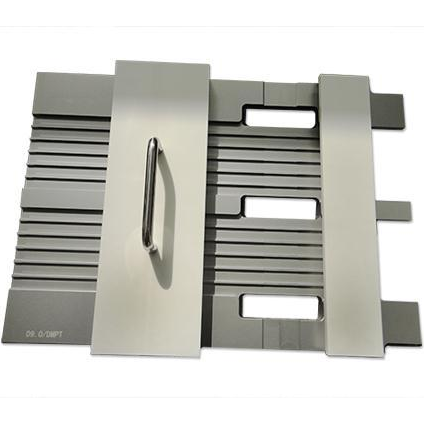
Blister packaging remains one of the most widely used formats in pharmaceutical, consumer goods, and electronics industries because it offers exceptional product protection and shelf appeal. However, the quality of blister pack edges directly impacts both functionality and consumer perception. When edges are poorly formed, jagged, or inconsistent, they compromise the structural integrity of the package and create safety hazards during handling and unpacking. Precision punching tools address this challenge by delivering exact edge geometry, consistent material removal, and repeatable quality across every single pack produced.
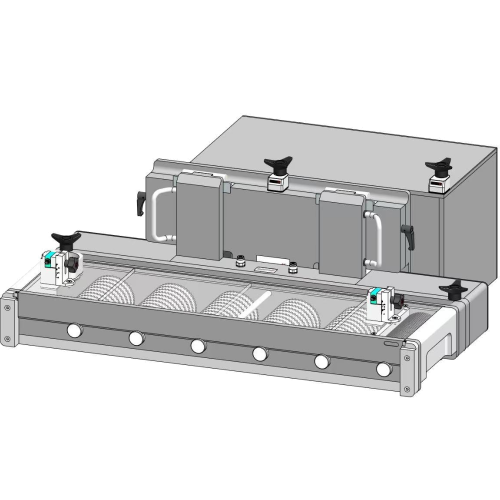
The manufacturing environment demands punching systems that can maintain dimensional accuracy across thousands of cycles without degradation. Precision punching delivers this reliability by combining engineered tool geometry, optimized material selection, and controlled force application. When manufacturers invest in precision punching tooling, they eliminate edge defects, reduce secondary trimming operations, and improve overall pack presentation. The result is higher throughput, lower waste, and stronger brand reputation in competitive markets.
How Precision Punching Shapes Blister Pack Edge Quality
Achieving Consistent Edge Geometry Through Precision Punching
Blister pack edges must meet strict dimensional and aesthetic standards to pass quality inspections and consumer expectations. Precision punching tools create clean, sharp edges with minimal burring because the cutting geometry is precisely engineered to match the exact material thickness and composition. Unlike conventional punching methods that may produce ragged or uneven edges, precision punching maintains consistent edge profiles across every punch cycle. This consistency is achieved through tight tolerances in tool design, accurate positioning during punching, and controlled cutting force that prevents material deformation.
The punching process itself involves careful timing and pressure calibration. When pressure is too low, the punching operation leaves partial cuts or rough edges that require secondary finishing. When pressure is excessive, punching can deform the material around the edge or create micro-cracks that weaken the pack structure. Precision punching balances these variables to achieve the optimal cutting zone where material separation occurs cleanly and efficiently. This level of control is only possible with well-maintained tooling and properly calibrated punching equipment designed for the specific substrate being processed.
Reducing Edge Defects and Secondary Operations
Edge defects such as burrs, incomplete cuts, and material tear-out are common in standard punching operations and require expensive secondary trimming or finishing. Precision punching reduces or eliminates these defects entirely, significantly lowering production costs. When punching is executed with high precision, the cut surface is smooth enough to meet consumer safety standards without additional edge treatment. This elimination of secondary operations represents substantial time and cost savings, especially in high-volume production environments where thousands of packs are processed daily.
The financial impact extends beyond labor costs. Defective edges increase package rejection rates, waste material, and customer complaints. By implementing precision punching, manufacturers report measurable reductions in scrap rates and improved first-pass quality metrics. The punching tools themselves may represent a higher initial investment than conventional tooling, but the return on investment comes quickly through reduced waste, faster production cycles, and improved customer satisfaction. For blister pack manufacturers operating at scale, precision punching becomes an essential competitive advantage.
Material Compatibility and Punching Performance Optimization
Selecting the Right Punching Tools for Your Substrate
Blister packs are produced from diverse materials including PVC, PET, PETG, and polystyrene, each with unique cutting characteristics that demand different punching approaches. Precision punching tools must be engineered specifically for the target material to ensure optimal edge quality. PVC, for example, is relatively soft and prone to tearing unless punching is performed at precise speeds and pressures that the material's mechanical properties require. PETG is stiffer and may require sharper punch geometry to avoid edge fuzzing. Polystyrene can be brittle and demands careful punching force management to prevent cracking at the edge.
Matching punching tool specifications to material properties is critical for success. Manufacturers should collaborate with tooling specialists to conduct trial runs and validate that their selected punching configuration produces acceptable edge quality across their material range. This testing phase identifies the optimal punching parameters such as gap clearance, cutting edge geometry, and approach speed. Once optimized, the punching process becomes highly repeatable and predictable. Material thickness also influences punching performance, so tooling must accommodate the range of gauges used in production.
Maintaining Punching Tool Performance Over Extended Production Runs
Punching tools experience wear over thousands of cycles, and this wear directly affects edge quality. As cutting edges dull and geometry changes slightly, the punching process produces progressively worse edge conditions. Precision punching systems must include robust maintenance protocols to monitor tool wear and replace components before quality degradation occurs. Many modern punching systems include wear sensors and automated alerts that trigger tool replacement at predetermined cycle counts, ensuring that punching quality never drifts below acceptable standards.
Regular inspection of punching tooling is essential for maintaining dimensional accuracy and edge quality. Small signs of wear such as slight dulling of the cutting edge or minor geometry changes can be detected through visual inspection or by monitoring punching force trends. When punching force begins to creep upward while cutting speed remains constant, it signals that tool wear has reached a level requiring attention. Proactive maintenance of punching equipment prevents quality failures, reduces unplanned downtime, and extends overall tool life. Manufacturers who treat punching tooling as a precision component rather than consumable hardware achieve superior results and lower total cost of ownership.
Production Benefits and Competitive Advantages
Accelerating Production Speed While Maintaining Precision Punching Quality
One of the most compelling advantages of precision punching is that improved edge quality does not require slower production speeds. In fact, optimized punching parameters often allow manufacturers to increase throughput because secondary finishing operations are eliminated. With conventional punching that produces defective edges, time is lost sending packs for secondary trimming or rework. Precision punching eliminates this workflow interruption, allowing continuous high-speed operation. Production lines equipped with precision punching tools can maintain faster cycle times while actually improving the quality metrics that matter most to customers and regulatory bodies.
The speed advantage becomes even more significant in automated environments where precision punching is integrated into continuous blister forming lines. When punching happens inline and produces acceptable quality on the first attempt, there is no need for separate downstream finishing stations. This consolidation of operations reduces floor space requirements, simplifies logistics, and lowers capital equipment costs. Manufacturers report that precision punching implementations allow them to reduce total production line complexity while simultaneously improving output and quality, a combination that provides powerful competitive leverage in price-sensitive markets.
Meeting Regulatory Standards and Customer Expectations
Regulatory agencies and quality-conscious customers increasingly demand that pharmaceutical and consumer product packaging meets exacting edge quality standards for safety and aesthetics. Precision punching is specifically designed to meet these demanding specifications consistently. When quality standards require edges that are sharp, clean, and free from defects, precision punching delivers that outcome reliably across every pack produced. This consistency builds brand reputation and reduces the risk of customer complaints or regulatory compliance issues. Manufacturers who implement precision punching demonstrate commitment to quality that resonates throughout their supply chain and to end consumers.
Documentation of punching process capability is essential for meeting quality certifications such as ISO standards or FDA compliance requirements. Precision punching systems that generate detailed production data provide the documentation trail required by auditors and regulators. This transparency not only satisfies compliance requirements but also provides valuable process insights that support continuous improvement initiatives. The relationship between punching quality and overall package performance is well understood, making precision punching an investment that directly supports regulatory success and customer confidence.
FAQ
What makes precision punching different from conventional punching methods?
Precision punching utilizes engineered tool geometry, tight dimensional tolerances, and optimized force control to produce clean, consistent edges without burrs or defects. Conventional punching often produces rough edges requiring secondary finishing. Precision punching eliminates this secondary step entirely by achieving acceptable edge quality on the first punch cycle. The investment in higher-quality punching tooling and equipment pays for itself through reduced waste, fewer secondary operations, and faster production throughput.
How does punching tool wear affect blister pack edge quality over time?
As punching tools experience wear from thousands of cutting cycles, the cutting edge dulls and geometry gradually changes, which causes progressive degradation of edge quality. Edges become rougher, burrs increase, and defect rates rise. Monitoring punching force trends and cycle counts helps identify when tool wear has reached levels requiring replacement. Implementing preventive maintenance schedules for punching tooling ensures that edge quality remains consistently high throughout production runs and prevents quality failures.
Can precision punching work with different blister pack materials?
Yes, but precision punching tools must be specifically engineered for each material type because different substrates such as PVC, PET, and polystyrene have different mechanical properties that affect how they respond to the punching process. A tooling specialist should conduct trial punching runs to optimize cutting geometry and force parameters for each material. Once properly configured, precision punching delivers excellent edge quality across the full range of blister pack materials used in production.