
 EN
EN



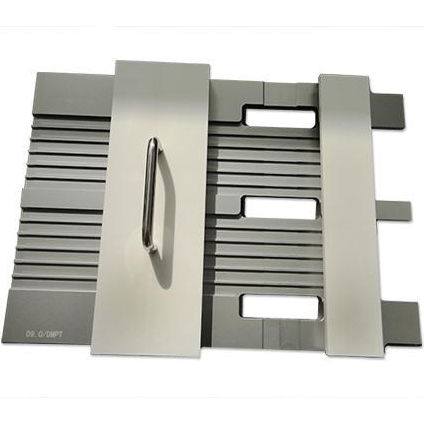
Selecting the right blister packing machine is one of the most critical decisions a pharmaceutical manufacturer can make. The machine you choose directly impacts production efficiency, product quality, regulatory compliance, and overall operational costs. Whether you operate a small-scale facility or a large commercial plant, understanding how to evaluate and select the ideal blister packing equipment ensures that your investment delivers consistent performance and long-term value.
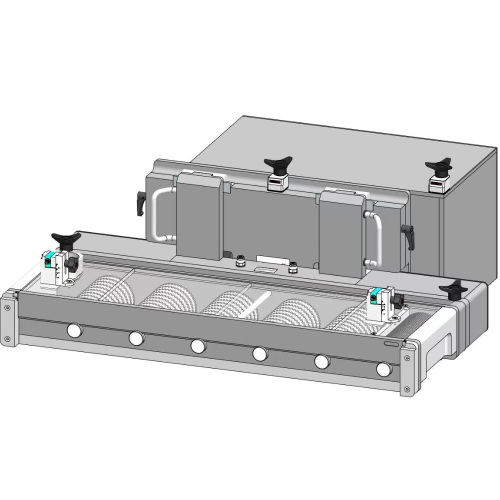
The pharmaceutical packaging industry demands precision, reliability, and strict adherence to regulatory standards. Blister packing remains the preferred method for packaging tablets, capsules, and small solid dosage forms because it offers superior product protection, moisture barrier properties, and extended shelf life. However, not all blister packing machines are created equal, and choosing the wrong equipment can lead to production downtime, quality defects, and compliance violations that damage your reputation and profitability.
Understanding Your Production Requirements
Determining Production Capacity and Speed
The first step in selecting an ideal blister packing machine is assessing your facility's production capacity needs. Blister packing machines come in various speeds, typically ranging from 40 to 200 strips per minute, depending on the model and complexity. You must calculate your daily, weekly, and annual production volumes to identify which blister packing equipment matches your throughput demands. Underestimating your needs leads to bottlenecks; overestimating results in unused capital investment and unnecessary operational expenses.
Consider both current demand and anticipated growth over the next three to five years. If your business expects to expand, a blister packing machine with modular design or scalability options allows you to increase speed without complete equipment replacement. Analyze your product mix as well—if you package multiple SKUs with different formats, versatility in your blister packing setup becomes essential. Speed alone does not guarantee suitability; the machine must maintain consistent quality at your target throughput.
Evaluating Product Specifications and Format Compatibility
Different pharmaceuticals demand different blister packing configurations. Tablets, capsules, powders, and liquid dosage forms each require specialized cavity designs, sealing parameters, and material compatibility. Before selecting a blister packing machine, you must document your complete product portfolio, including dimensions, weight, fragility, moisture sensitivity, and any special handling requirements. A flexible blister packing system should accommodate cavity size changes, material thickness variations, and multiple film types without extensive retooling or downtime.
The ideal blister packing machine offers quick changeover capabilities, allowing you to switch between different product formats efficiently. Check whether the equipment manufacturer provides standardized or custom tooling for your specific blister packing needs. Ask about the lead time for tooling modifications and whether they maintain inventory of common cavity configurations to minimize production delays when you need to introduce new products or reformulate existing lines.
Critical Technical Features and Quality Assurance
Sealing Quality and Consistency
Seal integrity directly determines product stability, shelf life, and regulatory compliance in blister packing operations. A superior blister packing machine must deliver consistent seal strength across all cavities, all production hours, and across ambient temperature variations. Look for equipment with advanced temperature profiling, pressure control, and real-time monitoring systems that track seal parameters continuously. Inconsistent sealing creates product recalls, customer dissatisfaction, and regulatory scrutiny that undermine your market position.
Modern blister packing machines feature predictive maintenance systems and automated quality checks that detect seal defects before products enter distribution. Investigate whether the blister packing equipment includes vision inspection technology, moisture analysis, or crack detection capabilities. These features reduce the risk of defective blisters reaching patients and protect your brand reputation. Request performance data, case studies, or on-site trials to validate that the blister packing machine achieves the seal integrity standards your products demand.
Reliability, Compliance, and Validation Support
Pharmaceutical manufacturing operates under stringent regulatory frameworks, including FDA, EMA, and ICH guidelines. Your blister packing machine must meet these standards and possess full documentation for Installation Qualification, Operational Qualification, and Performance Qualification. Select equipment manufacturers who provide comprehensive validation support, including protocol design, execution assistance, and documentation packages that accelerate your regulatory approval timeline.
Downtime in pharmaceutical production is exceptionally costly, so reliability becomes a paramount concern when selecting blister packing equipment. Evaluate the manufacturer's track record through industry references, warranty coverage, and spare parts availability. A robust blister packing machine should feature modular design, allowing quick replacement of wear components without complete system shutdown. Check whether the manufacturer offers remote diagnostics, preventive maintenance programs, and 24/7 technical support to minimize production interruptions.
Evaluating Vendor Capability and Long-Term Partnership Value
Manufacturer Experience and Industry Specialization
Not all blister packing equipment manufacturers bring equal expertise to pharmaceutical applications. Select vendors who specialize in pharmaceutical blister packing rather than generalist packaging equipment providers. Experienced blister packing manufacturers understand nuanced regulatory requirements, material compatibility challenges, and industry best practices that generic vendors may overlook. Their specialized knowledge translates into machines that work reliably within your regulatory environment and deliver products that pass stringent quality audits.
Investigate the manufacturer's background, certifications, and portfolio of blister packing installations across your target market segments. Request references from companies of similar size and product complexity to yours. Direct conversations with existing customers provide invaluable insights into the blister packing machine's real-world performance, vendor responsiveness, and total cost of ownership. Manufacturers who openly share customer references and technical data demonstrate confidence in their blister packing solutions and commitment to transparency.
Support Services and Cost of Ownership Analysis
The purchase price represents only a fraction of your total investment in a blister packing machine. Training, installation, commissioning, spare parts, maintenance contracts, and potential downtime expenses accumulate significantly over the equipment's operational life. Evaluate comprehensive service packages, including operator training, technician certification, and ongoing technical support. A vendor offering robust blister packing support minimizes learning curves, reduces errors, and maximizes equipment utilization from day one.
Create a detailed total cost of ownership model that includes capital expenditure, annual maintenance, anticipated spare parts consumption, utility costs, and risk-adjusted downtime estimates. Compare multiple blister packing vendors using this holistic framework rather than selecting based solely on initial purchase price. A seemingly expensive blister packing machine may deliver superior total value when factoring in reliability, speed-to-market, and operational efficiency. Request proposals that outline all fees, warranty terms, and service levels so you can make informed financial decisions with complete transparency.
FAQ
What specifications should I prioritize when evaluating blister packing machines?
Prioritize production speed, seal consistency, format flexibility, and compliance documentation. For blister packing selection, ensure the machine matches your current capacity needs while accommodating future growth. Verify that the blister packing equipment provides real-time quality monitoring, predictive maintenance capabilities, and comprehensive validation support. Speed alone does not ensure suitability; the blister packing machine must deliver consistent seal integrity across all batches and environmental conditions.
How do I determine if a blister packing machine is suitable for multiple product types?
Examine the blister packing machine's changeover process, tooling flexibility, and parameter adjustment range. A suitable blister packing system accommodates different cavity sizes, material thicknesses, and film types through standardized quick-change components. Verify that the blister packing manufacturer provides comprehensive documentation, tooling libraries, and support for customization without extensive downtime. Request demonstrations showing how quickly the blister packing equipment transitions between your target product formats.
What vendor support factors matter most for long-term blister packing success?
Select vendors offering comprehensive training, 24/7 technical support, and readily available spare parts. The blister packing manufacturer should provide on-site commissioning, operator certification programs, and remote diagnostics to minimize downtime. Evaluate long-term partnerships where the blister packing vendor remains invested in your success through preventive maintenance programs, process optimization support, and continuous improvement initiatives. Strong vendor relationships transform blister packing from a capital purchase into a strategic partnership that drives operational excellence.