
 EN


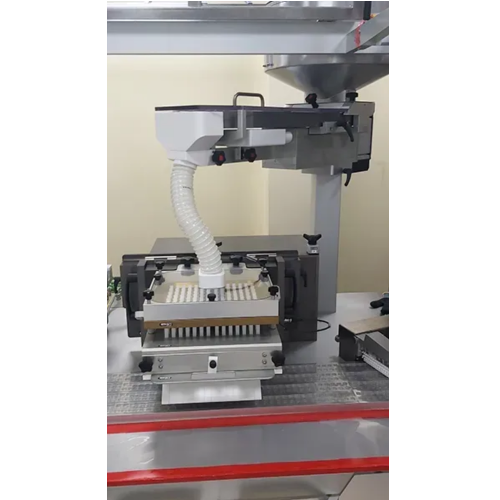
Blister packing has become the gold standard for protecting and presenting consumer products across pharmaceuticals, cosmetics, nutraceuticals, and retail goods. Choosing the right materials for blister packing is essential to ensure product integrity, regulatory compliance, shelf appeal, and cost efficiency. The material selection directly impacts how well your blister packing performs during transportation, storage, and consumer use, making this decision far more critical than many manufacturers realize.
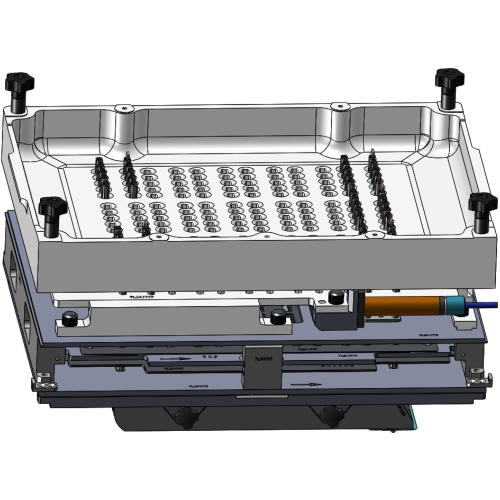
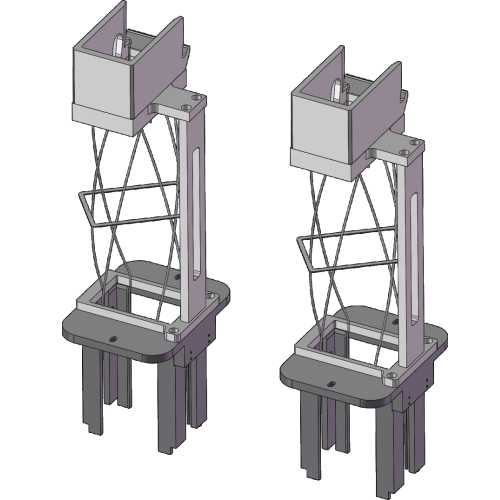
Successful blister packing depends on pairing compatible materials that work synergistically to create protective barriers, maintain moisture and oxygen control, and preserve product quality throughout the product lifecycle. Understanding material properties, compatibility, regulatory requirements, and environmental factors allows you to make informed decisions that strengthen your brand reputation and reduce costly rejects or customer complaints.
Plastic Film Materials for Blister Packing
PVC and Rigid PVC in Blister Packing Applications
Polyvinyl chloride (PVC) remains one of the most widely used plastics in blister packing due to its excellent clarity, thermoformability, and cost-effectiveness. PVC film offers superior transparency, allowing consumers to see the product clearly, which enhances purchase confidence and reduces return rates. For blister packing, rigid PVC provides the structural integrity needed to form deep cavities that securely hold tablets, capsules, and small device components without deformation.
The flexibility of PVC makes it ideal for blister packing that must accommodate varying product sizes and shapes. PVC films used in blister packing typically range from 200 to 400 microns in thickness, depending on product weight, drop height requirements, and storage duration. Cold-form blister packing, which uses PVC extensively, offers superior moisture and oxygen barrier properties compared to standard thermoformed blister packing, making it particularly suitable for moisture-sensitive pharmaceutical active ingredients.
PETG and Polyester Films for Premium Blister Packing
Polyethylene terephthalate glycol (PETG) and polyester films have gained significant traction in high-end blister packing applications where superior optical properties and environmental considerations matter. PETG provides excellent clarity comparable to PVC while offering better impact resistance and puncture protection, reducing product damage during the entire blister packing distribution chain. Polyester films deliver outstanding barrier properties, particularly for oxygen and moisture, making them preferred materials for blister packing sensitive pharmaceuticals, supplements, and premium cosmetics.
These materials support rigorous sterilization processes required for medical device blister packing, including gamma radiation and ethylene oxide exposure, without compromising structural integrity. Blister packing manufacturers increasingly specify PETG and polyester when regulatory compliance demands zero plasticizer migration or when brand positioning requires premium, chemically stable materials that signal product quality to discerning consumers.
Backing Materials and Adhesive Layers in Blister Packing
Aluminum Foil Backing for Blister Packing
Aluminum foil serves as the backing material in most pharmaceutical blister packing configurations, providing absolute moisture and light barriers that preserve product potency and stability. Aluminum's impermeability makes it the material of choice for blister packing that must maintain strict environmental protection over months or years of storage. The thickness of aluminum backing in blister packing typically ranges from 20 to 30 microns, with pharmaceutical-grade aluminum meeting stringent purity and contaminant-free specifications.
Blister packing that uses aluminum backing enables full traceability and tamper-evidence features through printing and perforation technology. The rigid structure of aluminum prevents moisture ingress that would otherwise compromise product integrity, making it especially critical for blister packing of hygroscopic or deliquescent materials. Aluminum backing also supports child-resistant and senior-friendly blister packing designs through heat-seal modifications and membrane technology integration.
Paper and Specialty Backing Laminates for Blister Packing
Paper-based laminates represent an emerging sustainable choice for blister packing applications where manufacturers seek to reduce aluminum consumption without sacrificing barrier performance. These blister packing materials combine paperboard with polymer and adhesive layers to create moisture barriers approaching aluminum performance levels. Specialty laminates designed for blister packing often incorporate water-based adhesives, recycled fiber content, and biodegradable film layers that align with corporate sustainability goals.
Paper backing for blister packing offers superior printability for regulatory labeling, batch coding, and branding compared to aluminum foil. Many blister packing systems now integrate paper backing with thin-film barrier coatings, achieving moisture transmission rates suitable for non-sensitive products while maintaining the cost advantage and environmental credentials of renewable materials. This hybrid approach to blister packing represents an important innovation for manufacturers balancing performance requirements against growing consumer expectations for sustainable packaging.
Specialized Coatings and Adhesive Technologies in Blister Packing
Seal Coat Adhesives and Heat-Seal Layers
Heat-seal adhesive layers are critical components in blister packing systems, creating the bond between the plastic film and aluminum backing that ensures seal integrity and prevents product contamination. Modern blister packing employs thermoplastic adhesives or lacquer-based seal coats that activate at specific temperatures, creating consistent, reliable seals without degrading either the plastic film or backing material. The adhesive selection for blister packing depends on seal temperature requirements, moisture resistance, and whether the blister packing will undergo secondary processes like sterilization.
Blister packing manufacturers specify adhesives that achieve consistent peel strength—typically between 3 and 7 N/15 mm—ensuring that consumers can open the blister packing easily without product spillage, yet the seal remains intact during entire storage and distribution cycles. Water-based and solvent-based adhesives each offer distinct advantages in different blister packing applications, with selection driven by environmental regulations, production speed requirements, and post-manufacturing handling needs.
Barrier Coatings and Laminate Protection
Advanced barrier coatings applied to plastic films elevate blister packing performance, extending shelf life and enabling compliance with strict pharmaceutical stability requirements. Silicon oxide and aluminum oxide coatings deposited through vacuum technology create ultra-high-barrier blister packing suitable for moisture-sensitive and light-sensitive formulations. These coated blister packing materials deliver oxygen transmission rates below 1 cc/m²/day, comparable to aluminum while maintaining the visual benefits of transparent plastic cavities.
Blister packing systems incorporating these advanced coatings enable pharmaceutical manufacturers to reduce tablet coating thickness or eliminate costly secondary stabilizers, ultimately lowering formulation costs while improving product quality perception. Laminate protection technologies work synergistically with substrate materials to create blister packing configurations that meet even the most demanding storage conditions, from tropical climates to pharmaceutical warehouses with minimal environmental control.
FAQ
What material thickness is ideal for blister packing film?
Ideal blister packing film thickness typically ranges from 200 to 400 microns depending on product weight, drop height, and storage duration. Lighter products and shorter shelf-life items may use 200-250 micron blister packing, while heavier pharmaceuticals and long-term storage applications require 350-400 micron films to prevent deformation and ensure adequate impact protection.
Can sustainable materials replace aluminum in blister packing?
Yes, modern paper-based laminates and thin-film barrier coatings can effectively replace aluminum in blister packing for non-sensitive products. However, blister packing for highly moisture-sensitive or light-sensitive pharmaceuticals still requires aluminum backing to meet stability specifications and regulatory requirements reliably.
How do material choices affect blister packing costs?
PVC-based blister packing remains the most cost-effective option for standard pharmaceutical applications, while specialty materials like PETG, polyester, and barrier-coated films increase blister packing expenses by 15-30 percent depending on performance requirements. Volume commitments and material standardization can reduce blister packing material costs significantly compared to frequent specification changes.