
 EN



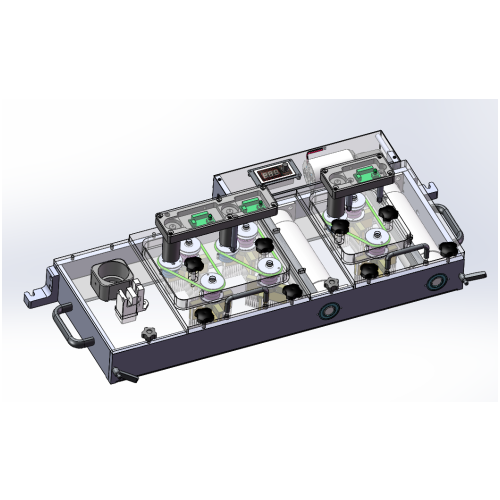
Multi tip tooling represents a sophisticated approach to precision manufacturing and tool design that significantly enhances production efficiency and part quality. Unlike traditional single-tip tools, multi tip tooling incorporates multiple cutting or forming edges strategically positioned to perform simultaneous operations on workpieces. This advanced design methodology has become essential in modern manufacturing environments where precision, speed, and cost-effectiveness are paramount concerns. Understanding multi tip tooling design principles is critical for engineers, manufacturers, and procurement professionals who seek to optimize their production capabilities.
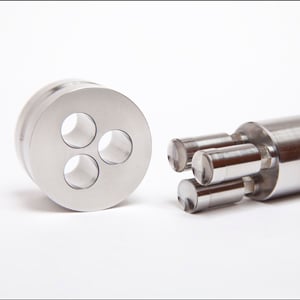
Multi tip tooling operates on the principle of simultaneous material removal or forming at multiple points, which fundamentally changes how manufacturing processes are executed. The architecture of multi tip tooling enables companies to reduce cycle times, minimize tool changes, and achieve tighter tolerances across complex geometries. By consolidating multiple operations into a single pass, multi tip tooling systems deliver measurable improvements in productivity and tool life efficiency. This introduction sets the foundation for exploring the technical mechanisms, design considerations, and practical applications that define effective multi tip tooling strategies.
Understanding Multi Tip Tooling Architecture
Core Components of Multi Tip Tooling Systems
Multi tip tooling comprises several integrated components that work in concert to deliver precision results. The tool body serves as the structural foundation, designed to withstand substantial cutting forces while maintaining dimensional stability across extended production runs. Multiple cutting tips are precisely positioned throughout the tool geometry, each engineered to address specific material removal requirements or forming operations. Modern multi tip tooling often incorporates advanced materials such as carbide inserts or ceramic tips, which provide superior hardness and thermal resistance compared to traditional steel configurations.
The positioning of individual tips within multi tip tooling systems requires meticulous engineering to ensure balanced force distribution and prevent vibration during operation. Tool holders and clamping mechanisms must securely retain each tip while allowing for easy replacement when wear or damage occurs. Coolant channels integrated into multi tip tooling designs facilitate efficient heat dissipation and chip evacuation, which extends tool life and improves surface finish quality on finished parts.
Material Selection for Multi Tip Tooling
Selecting appropriate materials for multi tip tooling directly impacts performance characteristics and service life in demanding manufacturing environments. Tungsten carbide remains the industry standard for multi tip tooling applications due to its exceptional hardness and thermal stability across high-speed cutting conditions. Ceramic tips offer enhanced heat resistance for specialized multi tip tooling applications where conventional carbide may soften or wear prematurely. The base tool body material must provide sufficient rigidity to support multiple cutting edges without deflection that could compromise dimensional accuracy.
Design Principles and Operational Mechanics
Multi Tip Tooling Design Methodology
Designing effective multi tip tooling requires a systematic approach that balances competing requirements such as cutting speed, feed rate, tool life, and part surface finish. The geometric arrangement of tips within multi tip tooling systems must account for the material properties of the workpiece, including hardness, machinability rating, and tendency toward tool buildup. Finite element analysis and computational modeling enable engineers to optimize multi tip tooling designs before physical prototyping, reducing development time and costs. Each cutting edge in multi tip tooling must be positioned to maintain consistent chip load distribution, preventing concentrated stresses that could cause premature failure.
The rake angle, relief angle, and cutting edge geometry of each tip significantly influence how multi tip tooling performs during machining operations. Positive rake angles in multi tip tooling reduce cutting forces and improve chip flow, while negative rake angles provide greater edge strength for interrupted cuts or unstable workpiece setups. Multi tip tooling designs must incorporate sufficient chip space and clearance between adjacent tips to prevent chip recutting and tool damage during operation.
How Multi Tip Tooling Mechanics Enhance Productivity
The operational advantage of multi tip tooling lies in its ability to perform multiple machining functions simultaneously within a single tool engagement cycle. When properly designed, multi tip tooling reduces the total number of tool changes required throughout a complete manufacturing sequence, which directly decreases nonproductive downtime. Each tip in multi tip tooling systems operates at optimized cutting parameters specific to its geometric location and intended function, creating an efficient workflow that conventional single-tip tools cannot match. The synchronized action of multiple edges in multi tip tooling produces consistent part geometry and surface finish while maintaining predictable cycle times.
Industrial Applications and Implementation Strategies
Multi Tip Tooling in Complex Manufacturing Scenarios
Multi tip tooling excels in production environments where complex part geometries demand precision and efficiency simultaneously. Automotive manufacturing frequently employs specialized multi tip tooling for processing engine blocks, transmission cases, and structural components that require multiple simultaneous operations. Medical device manufacturers utilize multi tip tooling to machine intricate features on surgical instruments and implantable components where tolerance requirements are extremely stringent. The aerospace industry applies advanced multi tip tooling designs to optimize costly material removal from titanium alloys and composite substrates where every minute of production efficiency directly impacts project economics.
Electronics manufacturers rely on multi tip tooling for drilling, countersinking, and forming operations on circuit board substrates and connector housings. Custom multi tip tooling designs enable manufacturers to address unique application requirements where off-the-shelf solutions prove inadequate. The flexibility of multi tip tooling extends to both conventional machine tools and advanced CNC systems, making it accessible across diverse manufacturing environments.
Strategic Implementation of Multi Tip Tooling Programs
Successful implementation of multi tip tooling requires a comprehensive assessment of existing production processes, machine capabilities, and quality requirements. Organizations must evaluate whether specific parts justify investment in custom multi tip tooling based on projected production volumes and part complexity. Training operators and tool programmers on multi tip tooling capabilities ensures maximum benefit realization and prevents underutilization of sophisticated tool designs. Integration of multi tip tooling into quality control procedures helps manufacturers establish baseline performance metrics and optimize tool geometry for consistent results.
Maintenance protocols for multi tip tooling systems must emphasize regular inspection of individual tips, clamping mechanisms, and coolant delivery channels to extend service life. Tool offset management becomes increasingly critical when implementing multi tip tooling, as slight variations in tip positioning directly impact part dimensional accuracy. Progressive adoption of multi tip tooling across a manufacturing facility allows organizations to build expertise incrementally while managing capital investment constraints.
FAQ
What advantages does multi tip tooling provide compared to conventional single-tip tools?
Multi tip tooling delivers substantial advantages in production efficiency by consolidating multiple operations into single tool engagements, reducing cycle times and tool change frequency. The simultaneous action of multiple cutting edges in multi tip tooling produces consistent part quality while improving tool life through distributed force loads. Additionally, multi tip tooling enables manufacturers to achieve tighter tolerances and superior surface finishes while reducing production costs across high-volume manufacturing scenarios.
How does the design of multi tip tooling impact overall machining performance?
The geometric arrangement, cutting edge angles, and material composition of multi tip tooling directly determine cutting forces, heat generation, and tool wear patterns during machining. Properly engineered multi tip tooling maximizes cutting efficiency by distributing workload evenly across all edges while minimizing vibration and chatter. Advanced multi tip tooling designs incorporate optimized chip evacuation paths and coolant channels that enhance heat dissipation and extend productive tool life significantly.
What considerations should manufacturers evaluate before investing in custom multi tip tooling solutions?
Manufacturers should assess projected production volumes, part complexity, existing machine tool capabilities, and quality requirements before committing to custom multi tip tooling investments. Cost justification requires careful analysis of cycle time improvements, tool life extension, and reduced nonproductive downtime that multi tip tooling provides. Organizations should also evaluate whether their workforce possesses the technical expertise and training infrastructure needed to effectively operate and maintain advanced multi tip tooling systems.