
 EN
EN



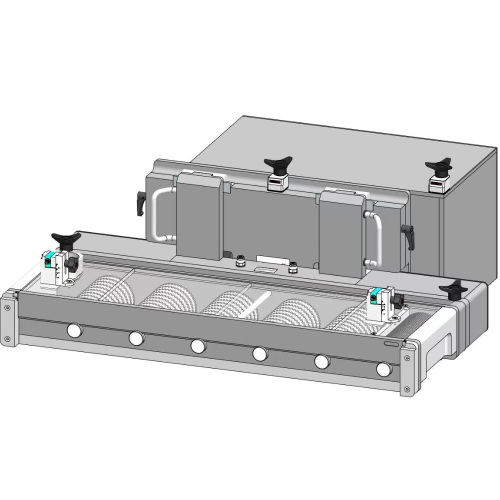
Carton packing represents one of the most critical stages in modern manufacturing and distribution workflows. Whether in the pharmaceutical, food and beverage, consumer goods, or cosmetics sectors, carton packing ensures that products reach consumers safely and professionally presented. Understanding what carton packing is and how it functions within integrated production lines helps manufacturers optimize their operations, reduce waste, and maintain consistent quality standards. The carton packing process combines mechanical precision with logistical efficiency to transform bulk products into consumer-ready packages at scale.

At its core, carton packing involves the automated or semi-automated placement of finished products into cartons, followed by sealing, labeling, and preparation for shipment. In modern manufacturing environments, carton packing lines integrate seamlessly with upstream production equipment, such as tablet presses, filling machines, or blister packing units, creating a continuous workflow. The efficiency of carton packing directly impacts production throughput, labor costs, and the final presentation of goods in retail or clinical settings. Manufacturers increasingly rely on advanced carton packing technology to meet rising consumer expectations and regulatory compliance requirements.
Core Components and Mechanics of Carton Packing
How Carton Packing Equipment Operates
Carton packing lines function through a series of coordinated mechanical and pneumatic systems that work in precise sequence. Products arrive at the carton packing station via conveyor systems, where they are organized, counted, and positioned for insertion into pre-formed carton blanks. The carton packing machinery opens the carton, inserts the product bundle, and seals the carton using heat, adhesive, or mechanical folding, depending on carton design and material composition. Sensors throughout the carton packing line monitor product flow, detect misalignment, and trigger quality checks to ensure only properly packed cartons proceed to labeling and boxing stations.
The mechanical heart of a carton packing system includes servo motors for precision motion control, pneumatic actuators for product handling, and vision systems for quality assurance. Speed capabilities vary widely, with modern carton packing lines capable of processing between 60 and 300 cartons per minute, depending on carton size and complexity. The modularity of contemporary carton packing equipment allows manufacturers to adjust settings quickly, supporting multiple product formats on the same line with minimal changeover time.
Integration with Production Line Architecture
Carton packing does not operate in isolation but functions as a critical node within an integrated production ecosystem. Upstream equipment feeds finished products to the carton packing station, while downstream equipment handles finished carton handling, case packing, and palletization. This integration requires synchronized timing, real-time data exchange, and coordinated quality monitoring across all stages. Modern industrial facilities implement Manufacturing Execution Systems (MES) to oversee carton packing operations alongside other line functions, enabling data-driven decision-making and predictive maintenance scheduling.
Functional Workflow and Process Sequence
Product Preparation and Feeding
Before carton packing begins, products must be accumulated and organized into the quantities specified for each carton. This staging phase is critical to carton packing efficiency, as improper product accumulation leads to downstream errors and line stoppages. Vibratory feeders, linear conveyors, or robotic arms position products precisely, ensuring accurate counts before insertion into the carton packing machinery. Quality sensors at the accumulation stage verify product orientation, detect foreign material, and confirm that each product lot meets specifications before entering the carton packing workflow.
Carton Formation and Product Insertion
Carton packing machinery begins with carton formation, where flat carton blanks are erected, opened, and positioned to receive products. In pharmaceutical and food applications, carton packing systems must handle delicate products without damage, requiring gentle yet precise handling mechanisms. The product insertion phase employs vacuum grippers, push rods, or articulated arms to place products into the carton at predetermined positions. Once products are inside, the carton packing system folds and seals the carton flaps, with heat sealing, cold adhesive application, or mechanical folding methods selected based on carton material and design specifications.
Sealing, Inspection, and Exit
After carton packing and sealing, the finished carton passes through inspection gates where vision systems verify closure quality, detect seal defects, and confirm proper product placement. Rejected cartons are automatically diverted to a collection area for manual rework or disposal, maintaining product quality and regulatory compliance. Accepted cartons then proceed to labeling equipment, where batch numbers, expiration dates, and product information are applied. The carton packing line concludes as cartons move to case packers or accumulation zones, ready for palletization and shipment.
Industrial Benefits and Operational Impact
Productivity and Scalability Advantages
Carton packing automation delivers substantial productivity gains compared to manual packing operations. Fully automated carton packing lines eliminate labor-intensive hand work, reduce human error, and support production volumes that would be impossible to achieve manually. Scalability is a key advantage, as manufacturers can increase output by running carton packing lines for extended shifts or deploying multiple parallel lines without proportional increases in headcount. This flexibility is especially valuable in seasonal industries or when responding to sudden demand fluctuations.
Quality, Consistency, and Regulatory Compliance
Carton packing equipment ensures uniform product presentation, consistent carton closure, and reliable traceability throughout the production process. In pharmaceutical manufacturing, carton packing automation is essential for meeting Good Manufacturing Practice (GMP) requirements, as it generates auditable records of every carton produced, sealed, and inspected. Vision systems integrated into carton packing lines detect defects invisible to human inspectors, ensuring that only complaint-free products reach consumers. Traceability capabilities built into modern carton packing systems support rapid recalls if necessary and provide regulatory agencies with complete production chain documentation.
Cost Reduction and Resource Efficiency
Although carton packing equipment represents significant capital investment, the operational cost savings over time justify the expenditure. Reduced labor costs, lower waste rates, fewer product rejects, and decreased packaging material usage all contribute to improved margins. Carton packing lines designed for flexible product changeovers minimize downtime between product batches, further improving overall equipment effectiveness (OEE). Energy-efficient carton packing systems and optimized seal parameters reduce utility consumption while maintaining performance standards.
FAQ
What types of products are suitable for carton packing lines?
Carton packing is suitable for tablets, capsules, blister strips, sachets, bottles, tubes, and many other solid or semi-solid product formats. Food items, cosmetics, pharmaceuticals, and consumer goods all benefit from automated carton packing. The product size, fragility, and shape determine the specific carton packing equipment configuration required, but modern machinery accommodates a wide range of formats on the same line with quick changeover.
How does carton packing differ from other secondary packaging methods?
Carton packing focuses specifically on placing primary-packaged products into carton boxes as secondary packaging. Unlike blister packing or stick packing, which create the primary package directly, carton packing assumes the product is already packaged and focuses on aggregation and carton handling. Carton packing is often the final step before case packing, making it the bridge between primary packaging and shipping logistics.
What maintenance does carton packing equipment require?
Carton packing machinery requires regular preventive maintenance including lubrication of moving components, inspection of sealing elements, calibration of vision systems, and cleaning of accumulation areas. Scheduled maintenance intervals depend on production volume and equipment specifications, typically ranging from weekly minor servicing to quarterly comprehensive inspections. Keeping detailed maintenance logs and adhering to manufacturer recommendations ensures optimal carton packing performance and extends equipment lifespan.