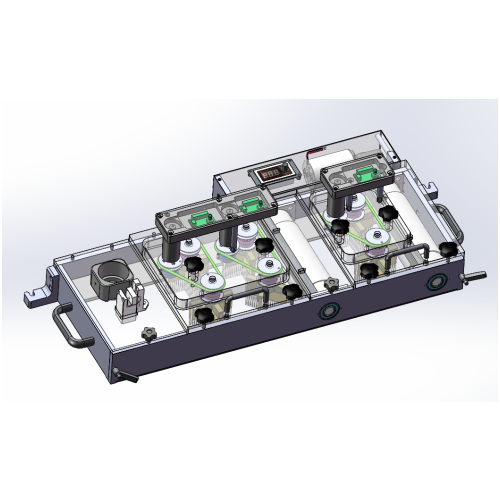
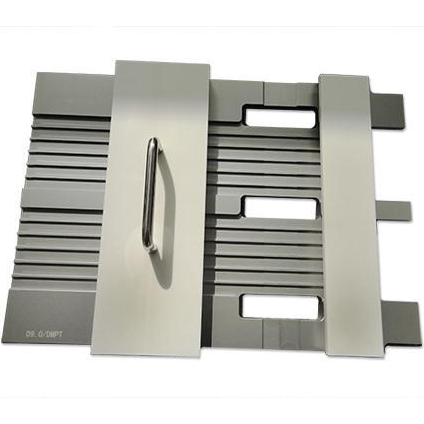
ציוד למילוי וחסימה
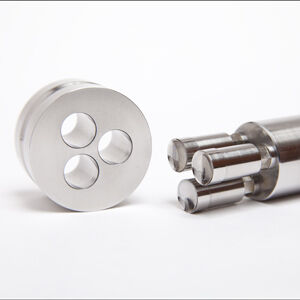
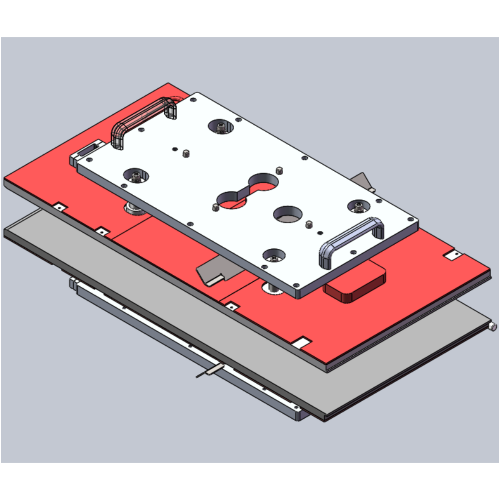
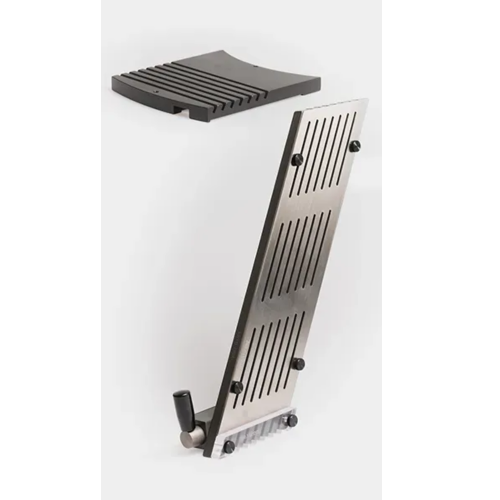
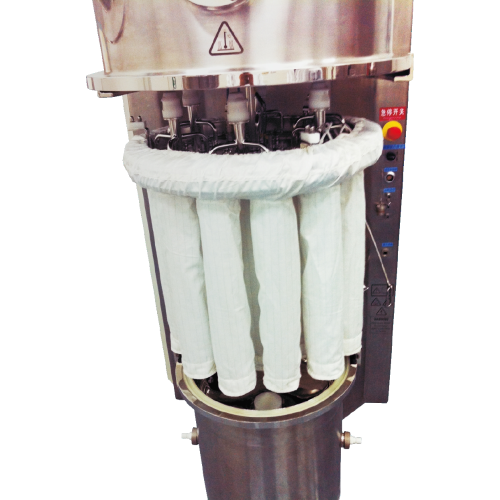
ציוד ליישום תהליך המילוי והחיתום מהווה רכיב קריטי בייצור מודרני ובענף האריזה, ושימש כבסיס של קווי ייצור יעילים בתחומים תעשייתיים מגוונים. ציוד متخصص זה כולל טווח רחב של רכיבים מעוצבים במדויק שנועדו למתן מדויק של מוצרים לתוך אריזות וליצירת חיתומים אטומים ומביאים עדות לפגיעה, אשר שומרים על שלמות המוצר לאורך כל שלבי הפצה ואחסון. הפונקציות העיקריות של הציוד למלוי וחיתום כוללות מתן מוצר לפי נפח או לפי משקל, מיקום ויישור האריזה, הצבת החיתום, ויצירת חיתום הרמטי. מערכות אלו מסוגלות להתמודד עם נוזליות מגוונות של מוצרים – החל ממאגרים זורמים בחופשיות ועד לעיסות עבות וחומרים חצי-מוצקים – מה שהופך אותן לפתרונות רב-תכליתיים עבור תחומי התרופות, המזון והמשקאות, הקוסמטיקה, הכימיה וסחורות הצריכה. מבחינה טכנולוגית, הציוד המודרני למלוי וחיתום משתמש במנגנונים מתקדמים הנענים על ידי סרווו, אשר מבטיחים בקרה מדויקת על נפחי המילוי ולחץ החיתום, ובכך ממזערים את בזבוז המוצר ומבטיחים איכות אחידה. רבות מהמערכות מצוידות באפשרות החלפה מהירה, המאפשרת ליצרנים לעבור בין גדלים שונים של אריזות וסוגי מוצרים תוך דowntime מינימלי, מה שמשפר משמעותית את הגמישות הפעולה. האינטגרציה של בקרים לוגיים מתוכנתים (PLC) וממשקים בין אדם למכונה (HMI) מאפשרת למנהלי התפעול לנטר מדדי ביצוע בזמן אמת, להתאים פרמטרים באופן דינמי ולשמור רשומות ייצור מקיפות לצורך בקרת איכות ותאימות לרגולציה. עקרונות העיצוב הסניטרי מבטיחים שהציוד למלוי וחיתום עומד בדרישות ההיגיינה החמורות ביותר, עם משטחים חלקים, מרחבים מתים מינימליים, ויכולת פירוק קלה לצורך ניקוי וסטריליזציה מעמיקה. היישומים משתרעים ממלוי בקבוקונים פארמה ב партиות קטנות ועד לקווי בקבוקים מהירים של משקאות המעבדים אלפי יחידות בשעה, מה שממחיש את היכולת להגדיל את 용שנות הפתרונות הללו. הציוד מתאים למספר סוגי אריזות, ביניהם בקבוקים, גלילים, צינורות, שקיות ואריזות בלויסטר, בעוד שדרכי החיתום משתרעות מפקקים מסובבים ומכסים נצמדים, דרך חיתום אינדוקטיבי וחיתום حراري, ועד לחיתום ע"י כיפוף (crimping), בהתאם לדרישות הספציפיות של המוצר וליעדי תקופת המגורים שלו.

 EN
EN