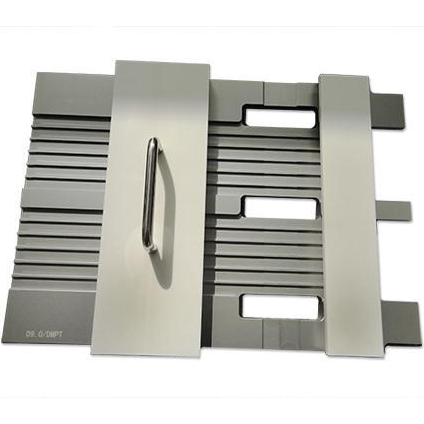
Premium Tooling for Filling and Sealing Solutions - Precision Packaging Equipment

Get a Free Quote

Our representative will contact you soon.
Email
Name
Company Name
Message
0/1000

tooling for filling and sealing

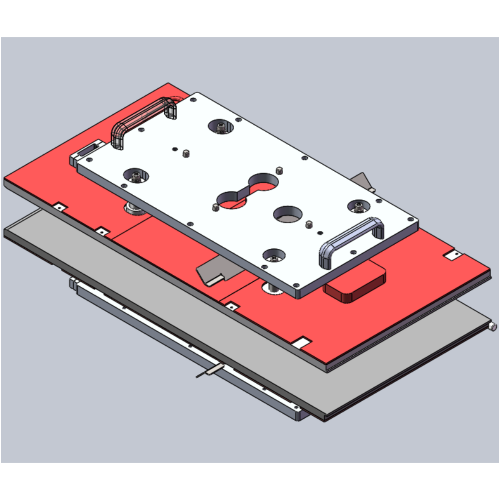
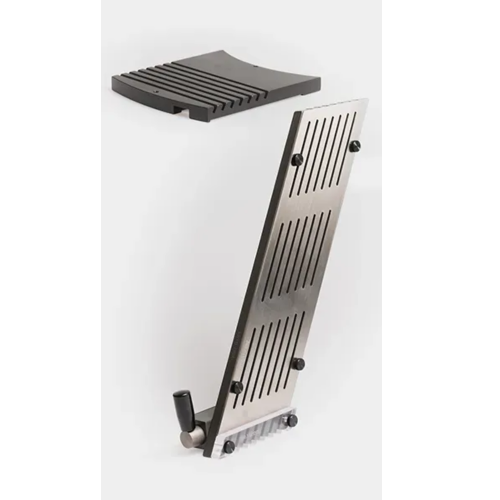
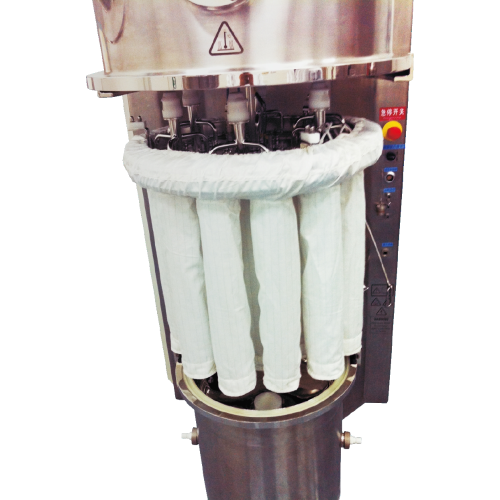
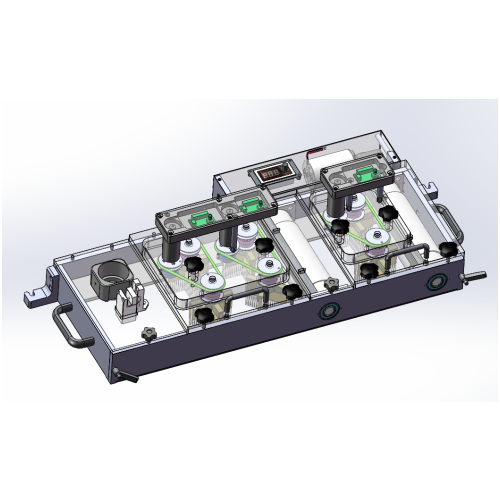
Tooling for filling and sealing represents a critical component in modern manufacturing and packaging operations, serving as the cornerstone of efficient production lines across multiple industries. This specialized equipment encompasses a range of precision-engineered components designed to accurately dispense products into containers and create secure, tamper-evident closures that maintain product integrity throughout distribution and storage. The main functions of tooling for filling and sealing include volumetric or weight-based product dispensing, container positioning and alignment, closure application, and hermetic seal creation. These systems can handle diverse product viscosities, from free-flowing liquids to thick pastes and semi-solid materials, making them versatile solutions for pharmaceutical, food and beverage, cosmetic, chemical, and consumer goods sectors. Technologically, modern tooling for filling and sealing incorporates advanced servo-driven mechanisms that ensure precise control over fill volumes and sealing pressure, minimizing product waste and ensuring consistent quality. Many systems feature quick-changeover capabilities that allow manufacturers to switch between different container sizes and product types with minimal downtime, significantly improving operational flexibility. The integration of programmable logic controllers and human-machine interfaces enables operators to monitor performance metrics in real-time, adjust parameters on the fly, and maintain comprehensive production records for quality assurance and regulatory compliance. Sanitary design principles ensure that tooling for filling and sealing meets stringent hygiene standards, with smooth surfaces, minimal dead spaces, and easy disassembly for thorough cleaning and sterilization. Applications span from small-batch pharmaceutical vial filling to high-speed beverage bottling lines processing thousands of units per hour, demonstrating the scalability of these solutions. The tooling accommodates various container types including bottles, jars, tubes, pouches, and blister packs, with sealing methods ranging from screw caps and snap-on lids to induction sealing, heat sealing, and crimping, depending on specific product requirements and shelf-life objectives.

Popular Products

Investing in quality tooling for filling and sealing delivers substantial benefits that directly impact your bottom line and operational efficiency. First and foremost, these systems dramatically increase production speed compared to manual filling methods, allowing your business to meet growing demand without proportionally increasing labor costs. The precision offered by modern tooling for filling and sealing ensures that each container receives exactly the specified amount of product, eliminating overfill waste that erodes profit margins over time. This accuracy also helps maintain regulatory compliance in industries where fill volume tolerances are strictly monitored and enforced. The consistency achieved through automated tooling for filling and sealing translates to uniform product presentation on retail shelves, strengthening brand reputation and consumer trust. Customers appreciate knowing that every purchase delivers the expected quantity and quality, fostering loyalty and repeat business. From a safety perspective, these systems reduce direct human contact with products, particularly important for hazardous chemicals, sterile pharmaceuticals, or allergen-containing foods, protecting your workforce while maintaining product purity. The sealed packages created by professional tooling provide excellent barrier properties against moisture, oxygen, light, and contaminants, extending shelf life and reducing spoilage-related losses throughout the supply chain. This preservation capability allows you to expand distribution networks and reach distant markets that were previously inaccessible due to product degradation concerns. Operational flexibility stands out as another significant advantage, with modern tooling for filling and sealing designed for rapid format changes that accommodate seasonal product variations, limited editions, or customer-specific packaging requirements without major equipment investments. The reduced physical strain on workers eliminates repetitive motion injuries associated with manual filling and sealing tasks, lowering workers compensation claims and improving employee satisfaction and retention. Energy efficiency improvements in contemporary tooling for filling and sealing contribute to lower utility costs and support corporate sustainability initiatives that resonate with environmentally conscious consumers and investors. The data collection capabilities built into these systems provide valuable insights into production trends, helping you identify bottlenecks, optimize scheduling, and make informed decisions about capacity expansion. Maintenance requirements for quality tooling for filling and sealing remain manageable, with modular designs that allow quick replacement of worn components without disrupting entire production lines, maximizing uptime and return on investment. The professional appearance of machine-sealed packages enhances perceived product value, often justifying premium pricing compared to hand-filled alternatives, directly improving revenue per unit sold.

Practical Tips

What are cardboard packing boxes and how do they work?

25

May

What are cardboard packing boxes and how do they work?

When businesses and individuals need a reliable, cost-effective, and versatile solution for protecting goods during storage or transit, cardboard packing boxes consistently emerge as the go-to choice. These containers are constructed from layers of p...
View More
What is Blister Packing Tooling and How Does It Work?

25

May

What is Blister Packing Tooling and How Does It Work?

In pharmaceutical and consumer goods manufacturing, precision packaging is not just about aesthetics — it is a fundamental requirement for product safety, shelf life, and regulatory compliance. Blister Packing Tooling sits at the heart of this ...
View More
How Does Blister Packing Tooling Improve Production Speed?

25

May

How Does Blister Packing Tooling Improve Production Speed?

In high-volume pharmaceutical and consumer goods manufacturing, every second on the production line carries real cost. When facilities look for ways to accelerate output without compromising quality, the conversation almost always returns to the same...
View More
Which Materials Work Best with Blister Packing Tooling?

25

May

Which Materials Work Best with Blister Packing Tooling?

Selecting the right material for Blister Packing Tooling is one of the most consequential decisions a pharmaceutical or consumer goods manufacturer can make. The material determines not only how well the tooling performs during forming, sealing, and ...
View More

Get a Free Quote

Our representative will contact you soon.
Email
Name
Company Name
Message
0/1000

tooling for filling and sealing

Precision Engineering for Consistent Product Quality

Precision Engineering for Consistent Product Quality

The foundation of exceptional tooling for filling and sealing lies in precision engineering that guarantees consistent results across every production cycle, regardless of volume or duration. This precision begins with carefully calibrated dosing mechanisms that measure products with remarkable accuracy, often within tolerances of plus or minus 0.5 percent or better, depending on the specific equipment configuration and product characteristics. Such exactness ensures that consumers receive full value with every purchase while protecting manufacturers from costly overfill scenarios that compound into significant financial losses when multiplied across thousands or millions of units. The mechanical components within tooling for filling and sealing undergo rigorous manufacturing processes, with critical parts machined to exacting specifications using computer numerical control equipment that achieves repeatability measured in microns. This dimensional accuracy ensures smooth operation, minimal vibration, and extended service life, reducing maintenance frequency and associated downtime costs. The sealing elements incorporated into this tooling apply consistent pressure and temperature profiles across the entire seal area, creating uniform bonds that prevent leakage during handling, transportation, and storage. This reliability proves especially crucial for liquid products where even minor seal imperfections can lead to customer complaints, retailer returns, and damaged brand reputation. Advanced tooling for filling and sealing employs feedback sensors that continuously monitor fill levels, seal integrity, and operational parameters, automatically adjusting performance to compensate for variables such as product temperature fluctuations, ambient humidity changes, or material batch variations. This self-correcting capability maintains quality standards without requiring constant operator intervention, freeing skilled personnel to focus on process optimization and troubleshooting rather than routine monitoring tasks. The precision inherent in quality tooling for filling and sealing also facilitates accurate inventory management, as you can confidently predict raw material consumption based on production schedules, minimizing both stockouts that halt production and excess inventory that ties up working capital. Furthermore, the consistent package weights and seal quality produced by precision tooling simplify quality control procedures, as the narrow distribution of measured values allows for reduced sampling frequencies while maintaining statistical confidence in overall batch compliance.
Versatile Adaptability Across Diverse Product Lines

Versatile Adaptability Across Diverse Product Lines

Modern tooling for filling and sealing stands out for its remarkable versatility, accommodating an impressive range of products, container types, and packaging formats within a single equipment platform or through straightforward configuration changes. This adaptability represents tremendous value for manufacturers who produce multiple product lines, seasonal variations, or custom formulations for different market segments, eliminating the need to invest in dedicated equipment for each specific application. The tooling handles products spanning the complete viscosity spectrum, from water-thin solutions and volatile solvents to thick creams, chunky sauces, and abrasive pastes, with appropriate selection of pump types, nozzle designs, and flow control mechanisms tailored to specific rheological properties. For manufacturers in the food industry, the same tooling for filling and sealing that processes salad dressings in the morning can be quickly reconfigured to fill pasta sauces before lunch and barbecue marinades in the afternoon, maximizing equipment utilization and return on investment. Container compatibility extends from small sample vials holding mere milliliters to large industrial containers measured in gallons, with adjustable mounting fixtures and conveyor configurations that accommodate varying heights, diameters, and shapes including round, square, oval, and custom molded designs. The sealing capabilities within comprehensive tooling for filling and sealing similarly span multiple technologies, offering screw cap application with precise torque control, snap-fit lid placement, induction seal activation, heat seal bonding for flexible films, ultrasonic welding for thermoplastic materials, and crimping for metal closures, providing manufacturers with options optimized for each product's barrier requirements, intended shelf life, and consumer convenience expectations. Quick-changeover features built into advanced tooling for filling and sealing minimize transition time between product runs, with tool-free adjustments, color-coded components for different formats, and stored recipes that automatically configure machine parameters when operators select a new product code. This flexibility proves particularly valuable for contract packagers who serve multiple clients with varying requirements, as the same equipment investment supports diverse revenue streams without the floor space and capital commitments required for multiple dedicated lines. The adaptability of tooling for filling and sealing extends to integration with upstream and downstream equipment, featuring standardized interfaces that connect seamlessly with container unscramblers, labelers, cartoners, and case packers to create complete packaging systems optimized for specific production requirements and available facilities.
Enhanced Operational Safety and Regulatory Compliance

Enhanced Operational Safety and Regulatory Compliance

Superior tooling for filling and sealing prioritizes operational safety and regulatory compliance, incorporating design features and operational protocols that protect workers, ensure product integrity, and satisfy stringent industry standards across pharmaceutical, food, cosmetic, and chemical applications. Safety considerations begin with comprehensive machine guarding that prevents operator contact with moving components during operation while maintaining accessibility for setup, adjustment, and maintenance activities through interlocked gates and panels that automatically halt machine functions when opened. Emergency stop controls positioned at multiple locations around tooling for filling and sealing provide immediate shutdown capability in case of unexpected situations, with conspicuous red buttons meeting international safety standards for visibility and accessibility. For operations involving flammable products or solvents, specialized tooling for filling and sealing incorporates explosion-proof electrical components, grounded construction to dissipate static charges, and inert gas purging systems that eliminate ignition sources and maintain safe atmospheres within filling zones. The enclosed filling areas featured in many systems contain spills and fumes, protecting workers from exposure to potentially hazardous materials while facilitating vapor recovery or exhaust systems that prevent atmospheric emissions and maintain comfortable working conditions. Sanitary design principles applied to tooling for filling and sealing intended for pharmaceutical and food applications include polished stainless steel construction with smooth, crevice-free surfaces that resist bacterial colonization, sloped surfaces that promote complete drainage during cleaning, and minimal horizontal surfaces where residues might accumulate. The equipment disassembles easily without requiring specialized tools, allowing thorough cleaning and sanitization between product runs to prevent cross-contamination and allergen carryover that could trigger serious health consequences for sensitive consumers. Validation capabilities built into modern tooling for filling and sealing support regulatory requirements for documented performance qualification, with data logging functions that create permanent records of fill volumes, seal parameters, and critical process variables required for batch release documentation and regulatory audits. Traceability features allow manufacturers to link specific packages to raw material lots, production dates, equipment serial numbers, and operator identifications, enabling rapid, targeted recalls should quality issues emerge post-distribution rather than broad market withdrawals that damage brand equity and financial performance. The controlled access features in advanced tooling for filling and sealing prevent unauthorized parameter changes that could compromise product quality or safety, with password-protected interfaces and audit trails that record all modifications for accountability and continuous improvement initiatives.

Get a Free Quote

Our representative will contact you soon.
Email
Name
Company Name
Message
0/1000