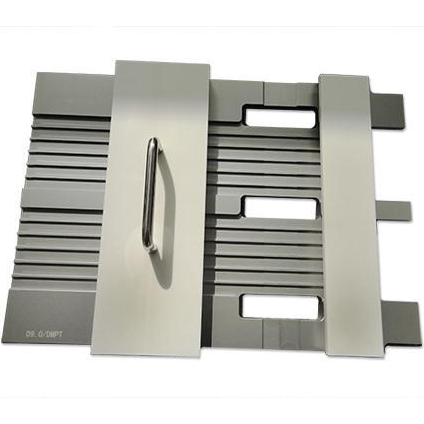
Commercial Hammer Mill: High-Performance Industrial Grinding Solutions

Get a Free Quote

Our representative will contact you soon.
Email
Name
Company Name
Message
0/1000

commercial hammer mill

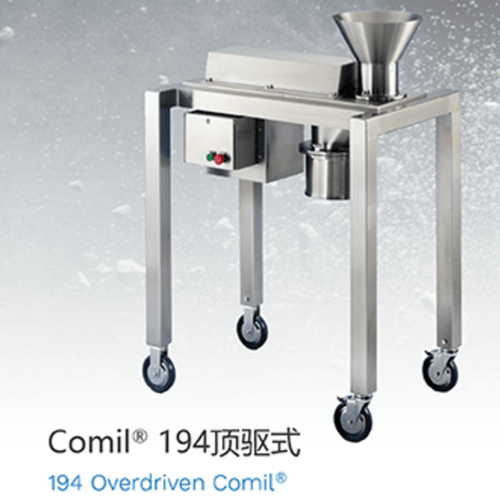
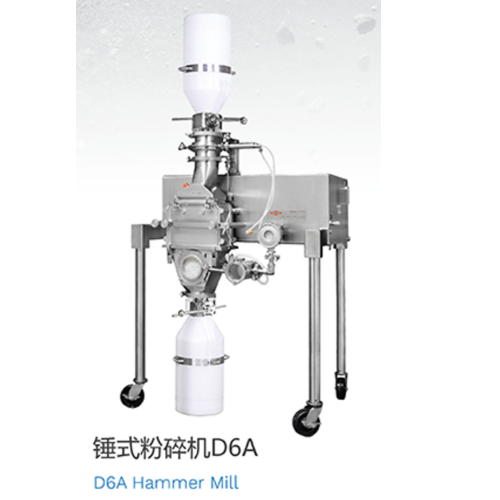
A commercial hammer mill is a heavy-duty size reduction machine designed to grind, crush, and shred a wide variety of materials into smaller, more manageable particles. Used across industries ranging from agriculture and food processing to biomass energy and recycling, the commercial hammer mill serves as a cornerstone piece of equipment wherever bulk material processing is required at scale. At its core, the machine operates by feeding raw material into a grinding chamber where a series of rotating hammers, mounted on a high-speed rotor, repeatedly strike the material until it is reduced to the desired particle size. The processed material then passes through a screen with precisely sized perforations, ensuring a consistent and uniform output every time. The technological design of a commercial hammer mill centers on durability and efficiency. The hammers themselves are typically manufactured from hardened steel or other wear-resistant alloys, allowing them to withstand continuous impact without rapid degradation. The rotor assembly is precision-balanced to minimize vibration and extend bearing life, while the grinding chamber is engineered to maximize material contact with the hammers for faster throughput. Many modern commercial hammer mill models also feature reversible hammer configurations, which effectively double the usable lifespan of each hammer by allowing operators to flip them when one side wears down. Variable screen sizes give operators direct control over output granularity, making the machine adaptable to a broad spectrum of processing requirements. Applications for the commercial hammer mill span an impressive range of industries. In agriculture, it grinds grain, corn, and other feed ingredients into animal feed. In the biomass sector, it reduces wood chips, straw, and agricultural residue into pellet-ready material. Food manufacturers use it to process spices, dried vegetables, and sugar. Recycling facilities rely on it to shred paper, cardboard, and light plastics. The commercial hammer mill is also widely used in the pharmaceutical and chemical industries for powder production. Its versatility, combined with its robust construction and scalable capacity, makes it one of the most practical and cost-effective size reduction solutions available on the market today.

New Product Recommendations

When you invest in a commercial hammer mill, you are choosing a machine that delivers real, measurable results across a wide range of processing tasks. Here is a straightforward look at why so many businesses across different industries continue to rely on this equipment day after day. First, a commercial hammer mill handles an exceptionally wide variety of materials. Whether you are processing grain for livestock feed, wood chips for biomass pellets, dried herbs for food production, or cardboard for recycling, this machine adapts to the task. You do not need a separate machine for each material type. One well-configured commercial hammer mill can cover multiple processing needs within a single facility, which directly reduces your capital expenditure and simplifies your equipment inventory. Second, the machine delivers consistent particle size output. By selecting the appropriate screen size, you control exactly how fine or coarse your end product will be. This consistency matters enormously in industries like animal feed production, where nutritional uniformity affects livestock health, and in pharmaceutical manufacturing, where particle size directly influences product quality and regulatory compliance. A commercial hammer mill gives you that control reliably, batch after batch. Third, operating a commercial hammer mill is straightforward. The design is intentionally simple, with fewer moving parts compared to many other size reduction technologies. This simplicity translates into easier maintenance, faster part replacement, and reduced downtime. Operators can swap out worn hammers or change screens without specialized tools or lengthy training, keeping your production line moving with minimal interruption. Fourth, the commercial hammer mill is built for high-volume throughput. Industrial-grade models can process several tons of material per hour, making them well-suited for large-scale operations that cannot afford bottlenecks. The robust construction means the machine keeps performing under continuous heavy-duty use without frequent breakdowns. Fifth, energy efficiency is a genuine advantage. Modern commercial hammer mill designs optimize airflow within the grinding chamber and balance rotor speed to maximize grinding efficiency per kilowatt consumed. This means you get more processed material for every unit of electricity you pay for, which adds up to significant cost savings over time, especially in high-volume operations running multiple shifts. Sixth, the commercial hammer mill is scalable. Whether you are running a small feed mill or a large industrial processing plant, there is a model sized to match your output requirements. As your business grows, you can upgrade to a higher-capacity unit or add additional machines to your line without redesigning your entire workflow. Seventh, replacement parts for a commercial hammer mill are widely available and relatively affordable. Hammers, screens, and bearings are standard components that most suppliers stock, so you are never waiting weeks for a critical part to arrive. This availability keeps your total cost of ownership low and your operation running on schedule. Taken together, these advantages make the commercial hammer mill one of the most practical investments a processing operation can make. It combines versatility, reliability, ease of use, and cost efficiency in a single robust package that delivers value from the first day of operation.

Latest News

What are cardboard packing boxes and how do they work?

25

May

What are cardboard packing boxes and how do they work?

When businesses and individuals need a reliable, cost-effective, and versatile solution for protecting goods during storage or transit, cardboard packing boxes consistently emerge as the go-to choice. These containers are constructed from layers of p...
View More
How does a mini tablet press machine improve production?

25

May

How does a mini tablet press machine improve production?

In pharmaceutical manufacturing, nutraceutical production, and even chemical processing, the ability to compress powders into uniform, consistent tablets at scale is a foundational requirement. A mini tablet press machine has emerged as a transformat...
View More
What is Blister Packing Tooling and How Does It Work?

25

May

What is Blister Packing Tooling and How Does It Work?

In pharmaceutical and consumer goods manufacturing, precision packaging is not just about aesthetics — it is a fundamental requirement for product safety, shelf life, and regulatory compliance. Blister Packing Tooling sits at the heart of this ...
View More
How Does Blister Packing Tooling Improve Production Speed?

25

May

How Does Blister Packing Tooling Improve Production Speed?

In high-volume pharmaceutical and consumer goods manufacturing, every second on the production line carries real cost. When facilities look for ways to accelerate output without compromising quality, the conversation almost always returns to the same...
View More

Get a Free Quote

Our representative will contact you soon.
Email
Name
Company Name
Message
0/1000

commercial hammer mill

Unmatched Versatility Across Industries and Materials

Unmatched Versatility Across Industries and Materials

One of the most compelling reasons businesses choose a commercial hammer mill is its extraordinary range of application. Unlike specialized grinding equipment designed for a single material or process, the commercial hammer mill is engineered to handle an extensive variety of inputs, making it a genuinely multi-purpose asset within any processing facility. In the agricultural sector, a commercial hammer mill grinds corn, wheat, barley, soybeans, and other grains into fine or coarse meal suitable for livestock and poultry feed formulations. The ability to adjust screen sizes means feed producers can tailor particle size to the specific dietary requirements of different animals, from fine powders for young chicks to coarser textures for cattle. This flexibility eliminates the need for multiple dedicated machines and streamlines the entire feed production workflow. In the biomass and renewable energy industry, the commercial hammer mill plays a critical role in preparing raw feedstocks for pelletization. Wood chips, sawdust, rice husks, corn stalks, and straw all pass through the machine to achieve the uniform particle size that pellet mills require for consistent, high-density output. Without reliable size reduction at this stage, pellet quality suffers and production efficiency drops. The commercial hammer mill solves this problem directly and dependably. Food processing operations use the commercial hammer mill to grind spices, dried fruits, sugar, salt, and dehydrated vegetables. The machine produces consistent granule sizes that meet strict quality standards, and its stainless steel contact surfaces in food-grade models ensure hygiene compliance. Recycling and waste management facilities rely on the commercial hammer mill to shred paper, cardboard, light plastics, and organic waste, reducing volume and preparing materials for further processing or compaction. Chemical and pharmaceutical manufacturers use it to produce fine powders from raw compounds, where particle size uniformity is critical to product performance and regulatory approval. This breadth of application means that when you invest in a commercial hammer mill, you are acquiring a machine that can grow and adapt alongside your business. As your product lines evolve or your processing needs shift, the commercial hammer mill remains relevant and productive, protecting your initial investment and delivering ongoing value across every operational context it encounters.
Robust Construction Built for Long-Term Heavy-Duty Performance

Robust Construction Built for Long-Term Heavy-Duty Performance

A commercial hammer mill is not a light-duty piece of equipment. It is designed from the ground up to withstand the relentless demands of industrial-scale processing, and the quality of its construction is what separates a reliable long-term asset from a machine that becomes a maintenance burden within its first year of operation. The hammers at the heart of the commercial hammer mill are typically forged or cast from high-chromium steel, manganese steel, or other wear-resistant alloys specifically chosen for their ability to absorb repeated high-impact blows without cracking, chipping, or deforming prematurely. In high-volume operations processing abrasive materials like minerals or dried biomass, hammer wear is inevitable, but quality construction significantly extends the interval between replacements. Many commercial hammer mill designs also feature reversible hammers, which allow operators to flip each hammer to expose a fresh striking edge when one side wears down, effectively doubling the service life of each component and reducing consumable costs substantially over time. The rotor assembly is another area where construction quality directly affects performance and longevity. A precision-balanced rotor minimizes vibration during operation, which protects bearings, reduces structural stress on the machine frame, and contributes to a quieter, smoother running machine. Heavy-duty sealed bearings are selected for their load capacity and resistance to dust and moisture ingress, both of which are common in grinding environments. The grinding chamber itself is lined with replaceable wear plates that absorb impact and abrasion, protecting the main housing from damage and allowing cost-effective refurbishment rather than full machine replacement when wear occurs. The overall frame and housing of a commercial hammer mill are constructed from heavy-gauge steel, welded and reinforced to handle the dynamic forces generated during high-speed grinding. This structural integrity ensures the machine maintains its alignment and performance characteristics over years of continuous use. For businesses that run multiple shifts or operate in demanding environments, this level of construction quality is not a luxury. It is a fundamental requirement for maintaining production continuity, controlling maintenance costs, and achieving the return on investment that justifies the original purchase. A well-built commercial hammer mill pays for itself through years of dependable, high-output service.
Precise Particle Size Control for Consistent, High-Quality Output

Precise Particle Size Control for Consistent, High-Quality Output

In any processing operation, the quality of your output is only as good as the precision of your equipment. A commercial hammer mill gives operators direct, reliable control over particle size through an interchangeable screen system that is both simple to use and highly effective in practice. The screen, positioned at the base of the grinding chamber, acts as the final arbiter of particle size. Material continues to be struck by the rotating hammers and circulated within the chamber until individual particles are small enough to pass through the screen perforations. By selecting a screen with smaller holes, you produce a finer output. By choosing a screen with larger openings, you achieve a coarser grind. This straightforward mechanism gives operators precise control without complex adjustments or specialized expertise, and changing screens typically takes only a few minutes, allowing rapid transitions between different product specifications on the same machine. This level of control has profound practical implications across multiple industries. In animal feed production, particle size directly affects feed conversion efficiency and animal health outcomes. Research consistently shows that feed ground to the optimal particle size for a given species improves nutrient absorption and reduces digestive issues, translating into better growth rates and lower feed costs per unit of production. A commercial hammer mill that reliably delivers the target particle size batch after batch gives feed producers a genuine competitive advantage. In pharmaceutical and nutraceutical manufacturing, particle size uniformity is not just a quality preference. It is a regulatory requirement. Active ingredients must be ground to precise specifications to ensure consistent dosing, bioavailability, and product stability. The commercial hammer mill, when properly configured and maintained, meets these exacting standards with the consistency that compliance demands. In food processing, uniform particle size affects texture, flavor release, and shelf life. Spice manufacturers, for example, depend on consistent grind size to deliver the sensory experience their customers expect. A commercial hammer mill that produces repeatable results protects brand reputation and reduces product waste from off-spec batches. Beyond quality, precise particle size control also improves downstream process efficiency. Uniform particles flow more predictably through conveyors, mixers, and pellet mills, reducing jams, improving blend homogeneity, and increasing overall line throughput. The commercial hammer mill is therefore not just a size reduction tool. It is a quality control instrument that adds measurable value at every stage of the production process.

Get a Free Quote

Our representative will contact you soon.
Email
Name
Company Name
Message
0/1000