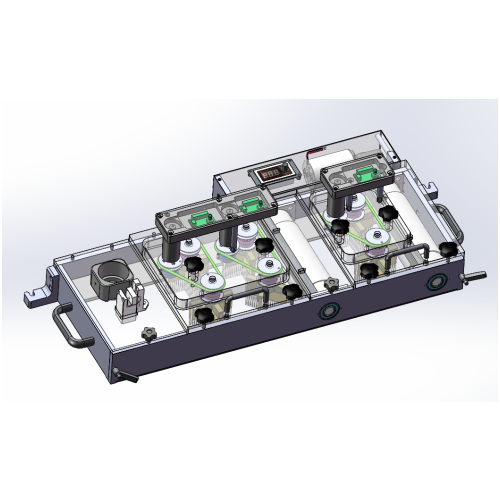
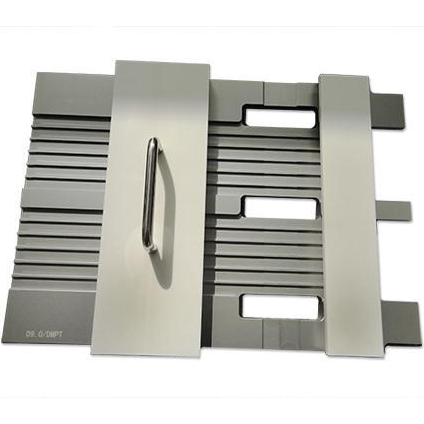
Custom Pharmaceutical Tooling Solutions - Precision Manufacturing for Pharmaceutical Excellence

Get a Free Quote

Our representative will contact you soon.
Email
Name
Company Name
Message
0/1000

custom pharmaceutical tooling

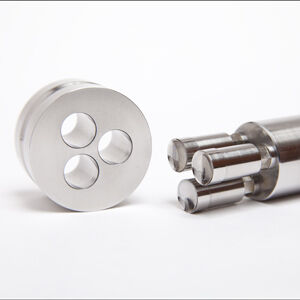
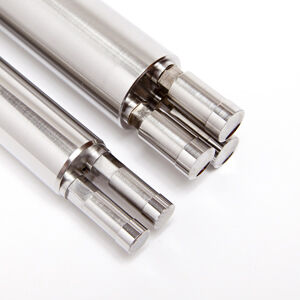
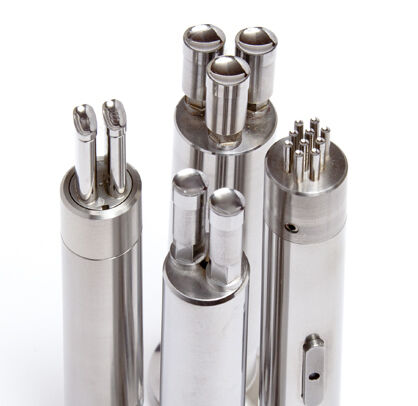
Custom pharmaceutical tooling represents a specialized manufacturing solution designed specifically for pharmaceutical production processes. This precision-engineered equipment encompasses tablet compression punches, dies, inserts, and various molding components that directly contact pharmaceutical products during manufacturing. Unlike standard off-the-shelf solutions, custom pharmaceutical tooling is meticulously crafted to meet unique production requirements, ensuring optimal performance for specific drug formulations and delivery methods. The main functions of custom pharmaceutical tooling include shaping tablets into distinctive forms, creating embossed logos or identification marks, ensuring consistent dosage accuracy, and maintaining pharmaceutical-grade surface finishes that prevent contamination. These specialized tools work within tablet presses and encapsulation machines to transform raw pharmaceutical compounds into finished dosage forms. Technological features of custom pharmaceutical tooling incorporate advanced metallurgy, utilizing materials such as hardened steel alloys, stainless steel variants, and specialized coatings that resist corrosion and wear. Modern manufacturing techniques including CNC precision machining, electrical discharge machining, and laser engraving ensure tolerances measured in microns. Surface treatments like chrome plating, titanium nitride coating, or diamond-like carbon application extend tool life while maintaining product purity. Applications span across the entire pharmaceutical industry, from large-scale commercial drug manufacturing to specialized compounding facilities. Custom pharmaceutical tooling serves the production of immediate-release tablets, sustained-release formulations, chewable medications, orally disintegrating tablets, and veterinary pharmaceuticals. Research and development laboratories utilize custom tooling for clinical trial materials and prototype formulations. Contract manufacturing organizations depend on these specialized tools to accommodate diverse client specifications. The versatility of custom pharmaceutical tooling enables manufacturers to produce unique tablet shapes including capsule-shaped tablets, scored tablets for easy division, pediatric formulations with appealing shapes, and brand-distinguishing designs that enhance product recognition and patient compliance.

New Products

Choosing custom pharmaceutical tooling delivers substantial practical benefits that directly impact production efficiency and product quality. First and foremost, precision manufacturing capabilities ensure every tablet produced meets exact specifications for weight, thickness, and dimensions. This consistency reduces waste significantly, as fewer tablets fail quality control inspections, saving raw materials and production time. Manufacturers experience lower rejection rates, which translates directly into cost savings and improved profitability. The durability of properly designed custom pharmaceutical tooling extends operational life considerably compared to generic alternatives. High-quality materials and specialized coatings resist the abrasive nature of pharmaceutical compounds, reducing replacement frequency. This longevity means fewer production interruptions for tooling changes, maintaining steady output and meeting delivery schedules reliably. Enhanced product identification becomes achievable through custom engravings, logos, and unique shapes. This branding capability helps prevent counterfeiting, protects intellectual property, and strengthens market recognition. Patients can easily identify their medications, improving adherence to treatment regimens and reducing medication errors. Flexibility in design accommodates evolving formulation needs without requiring entirely new equipment investments. As pharmaceutical companies develop new drugs or modify existing formulations, custom pharmaceutical tooling can be adapted or replicated efficiently. This adaptability supports innovation while controlling capital expenditure. Compliance with regulatory requirements becomes simpler when tooling is designed specifically for pharmaceutical applications. Custom pharmaceutical tooling manufactured to industry standards helps companies meet FDA, EMA, and other regulatory body requirements. Proper documentation, material traceability, and validation support streamline approval processes. Improved production speeds result from optimized tool geometries that facilitate smooth material flow and ejection. Well-designed custom pharmaceutical tooling reduces compression force requirements, decreasing machine wear and energy consumption. Faster cycle times increase throughput without compromising quality. Contamination risks decrease substantially with appropriate surface treatments and materials selection. Smooth, non-porous finishes prevent product adhesion and bacterial growth, supporting stringent hygiene standards. Easy cleaning protocols further enhance safety profiles. Technical support from specialized manufacturers provides valuable expertise throughout the tooling lifecycle. From initial design consultation through production optimization and troubleshooting, experienced partners help maximize return on investment. Training programs ensure operators understand proper handling, maintenance, and inspection procedures. Cost-effectiveness emerges from the combination of extended tool life, reduced waste, faster production, and lower maintenance requirements. While initial investment may exceed standard tooling costs, the total cost of ownership proves substantially lower over time. Manufacturers achieve better margins while maintaining competitive pricing.

Tips And Tricks

What is a mini tablet press machine and how does it work?

25

May

What is a mini tablet press machine and how does it work?

A mini tablet press machine is a compact, precision-driven piece of equipment designed to compress powdered or granulated materials into uniform tablet forms. Whether used in pharmaceutical research, nutraceutical development, or small-scale chemical...
View More
How does a mini tablet press machine improve production?

25

May

How does a mini tablet press machine improve production?

In pharmaceutical manufacturing, nutraceutical production, and even chemical processing, the ability to compress powders into uniform, consistent tablets at scale is a foundational requirement. A mini tablet press machine has emerged as a transformat...
View More
How Does Press Tooling Design Impact Production Efficiency?

25

May

How Does Press Tooling Design Impact Production Efficiency?

In high-volume manufacturing environments, the design of Press Tooling is one of the most consequential engineering decisions a production team can make. From cycle time to scrap rate, from die longevity to operator safety, the geometry, material sel...
View More
How Does Blister Packing Tooling Improve Production Speed?

25

May

How Does Blister Packing Tooling Improve Production Speed?

In high-volume pharmaceutical and consumer goods manufacturing, every second on the production line carries real cost. When facilities look for ways to accelerate output without compromising quality, the conversation almost always returns to the same...
View More

Get a Free Quote

Our representative will contact you soon.
Email
Name
Company Name
Message
0/1000

custom pharmaceutical tooling

Precision Engineering for Unmatched Product Consistency

Precision Engineering for Unmatched Product Consistency

The foundation of effective pharmaceutical manufacturing rests upon absolute consistency, and custom pharmaceutical tooling delivers this critical requirement through advanced precision engineering. Every aspect of tool design undergoes meticulous calculation and validation to ensure dimensional accuracy measured in micrometers. This extraordinary precision begins with computer-aided design systems that model tooling geometry with mathematical exactness, simulating material flow, compression forces, and ejection characteristics before physical manufacturing begins. The production process employs state-of-the-art CNC machining centers equipped with multi-axis capabilities, enabling complex geometries that would be impossible through conventional manufacturing methods. These machines maintain tolerances of plus or minus two micrometers, ensuring that every punch and die surface meets specifications exactly. Electrical discharge machining technology creates intricate details, sharp corners, and deep engravings without mechanical stress that could compromise material integrity. Quality control throughout manufacturing involves coordinate measuring machines that verify dimensions against design specifications, optical comparators that inspect surface finishes, and hardness testing that confirms material properties. This comprehensive inspection protocol guarantees each piece of custom pharmaceutical tooling performs precisely as intended. The practical benefit of this precision engineering manifests in every production run. Tablets emerge from compression with uniform weight distribution, consistent thickness across the entire batch, and identical appearance that meets pharmaceutical standards. Weight variation remains within tight statistical limits, ensuring accurate dosing for patient safety. Surface finish uniformity prevents defects like capping, lamination, or picking that would render tablets unmarketable. Dimensional consistency enables reliable automated packaging, as tablets fit perfectly into blister packs, bottles, and dispensing systems. This reliability reduces downtime, eliminates troubleshooting delays, and maintains production schedules. For pharmaceutical companies, precision translates into predictable outcomes, simplified validation, and confidence in product quality. Regulatory submissions benefit from comprehensive documentation of tooling specifications and performance data. The investment in precision-engineered custom pharmaceutical tooling pays dividends through reduced quality investigations, fewer batch rejections, and enhanced reputation for manufacturing excellence among healthcare providers and patients.
Extended Operational Life Through Advanced Material Science

Extended Operational Life Through Advanced Material Science

Custom pharmaceutical tooling achieves remarkable longevity through sophisticated material selection and surface enhancement technologies that address the unique challenges of pharmaceutical production. The foundation begins with premium-grade tool steels specifically formulated for pharmaceutical applications, offering optimal combinations of hardness, toughness, and corrosion resistance. These specialized alloys undergo precise heat treatment processes that transform their molecular structure, creating wear-resistant surfaces while maintaining core ductility that prevents catastrophic failure. Stainless steel variants provide inherent corrosion resistance for formulations containing acidic or hygroscopic compounds that would rapidly degrade standard materials. Beyond base material selection, custom pharmaceutical tooling benefits from advanced surface treatments that exponentially extend operational life. Chrome plating creates an extremely hard, smooth surface layer that resists abrasion from pharmaceutical powders while preventing chemical interaction with active ingredients. The mirror-like finish reduces friction during compression and ejection cycles, minimizing force requirements and preventing product adhesion. Titanium nitride coating through physical vapor deposition generates a golden-colored surface layer with exceptional hardness and lubricity. This treatment proves particularly valuable for challenging formulations that tend to stick to tooling surfaces, reducing cleaning frequency and preventing cross-contamination between batches. Diamond-like carbon coatings represent the pinnacle of surface technology, providing unsurpassed hardness and the lowest coefficient of friction available. These ultra-thin films enable production of abrasive formulations without accelerated wear. The practical implications of extended operational life substantially impact manufacturing economics. Reduced replacement frequency means fewer production interruptions for tooling changes, maintaining consistent output and meeting customer delivery commitments reliably. Purchasing and inventory costs decrease as tooling procurement cycles extend from months to years. Validation requirements simplify, as proven tooling remains in service rather than requiring requalification of replacement sets. Consistent tool geometry throughout extended service life maintains product specifications without drift, supporting pharmaceutical stability and bioequivalence requirements. Manufacturing teams develop familiarity with specific tooling sets, optimizing setup procedures and troubleshooting capabilities. Documentation becomes streamlined, as fewer tooling changes mean simpler batch records and reduced regulatory reporting. The environmental impact also improves, as reduced material consumption and waste generation align with corporate sustainability initiatives while demonstrating responsible resource management.
Customization Flexibility That Adapts to Your Unique Requirements

Customization Flexibility That Adapts to Your Unique Requirements

The pharmaceutical industry encompasses extraordinary diversity in drug formulations, delivery systems, and therapeutic applications, demanding manufacturing solutions that accommodate this variety. Custom pharmaceutical tooling provides unparalleled flexibility to address specific production challenges and opportunities that generic tooling simply cannot match. This adaptability begins during the design consultation phase, where experienced engineers collaborate with pharmaceutical scientists to understand formulation characteristics, production volumes, equipment capabilities, and regulatory requirements. Material properties including particle size distribution, compressibility, flow characteristics, and moisture sensitivity inform tooling geometry decisions. Anticipated production volumes determine appropriate tool steel grades balancing performance against cost considerations. Existing equipment specifications ensure compatibility with tablet presses, avoiding expensive machine modifications. The customization process accommodates virtually any tablet configuration imaginable. Standard round tablets can be produced in any diameter from miniature pediatric formulations to large veterinary applications. Capsule-shaped tablets, also called caplets, provide easier swallowing while offering increased surface area for identification marking. Unique geometric shapes including ovals, triangles, squares, and proprietary designs create distinctive product identities that enhance brand recognition and prevent counterfeiting. Scoring options range from simple bisect lines to complex quadrisect or trisect patterns enabling accurate dose division. Embossing capabilities include alphanumeric characters identifying drug names, strengths, and manufacturer codes required by regulatory agencies. Corporate logos and proprietary symbols strengthen brand presence while deterring counterfeiters. Debossing creates recessed markings offering alternative aesthetic presentations. Three-dimensional surface textures can be incorporated for enhanced grip or distinctive tactile characteristics. Coating considerations integrate into tooling design, ensuring compatibility with film coating, sugar coating, or enteric coating processes. Custom pharmaceutical tooling also addresses specialized applications including bi-layer tablets combining incompatible active ingredients, tri-layer formulations providing complex release profiles, and core-in-core configurations for sophisticated drug delivery systems. Chewable tablets require specific geometries promoting uniform breakage patterns. Orally disintegrating tablets demand low compression forces and optimized porosity. Effervescent formulations need materials resisting chemical interaction with reactive ingredients. This comprehensive customization capability empowers pharmaceutical manufacturers to innovate confidently, knowing their production tooling will support development initiatives from concept through commercial production. Formulation scientists can explore novel delivery systems without constraint from available tooling. Marketing teams can specify distinctive product appearances differentiating their brands. Quality assurance personnel receive tooling designed specifically to meet validation requirements. The result is manufacturing capability perfectly aligned with strategic objectives, competitive positioning, and operational excellence goals.


Get a Free Quote

Our representative will contact you soon.
Email
Name
Company Name
Message
0/1000