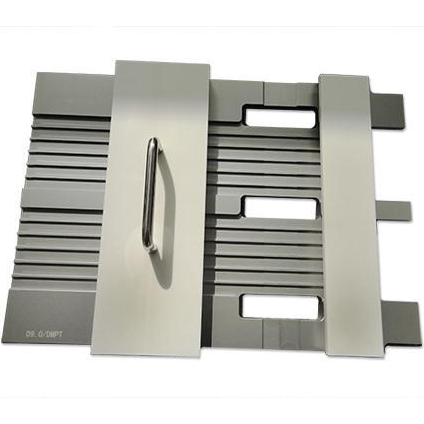
Comprehensive Material Selection Delivers Long-Term Reliability and Compliance
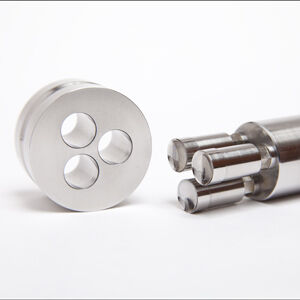
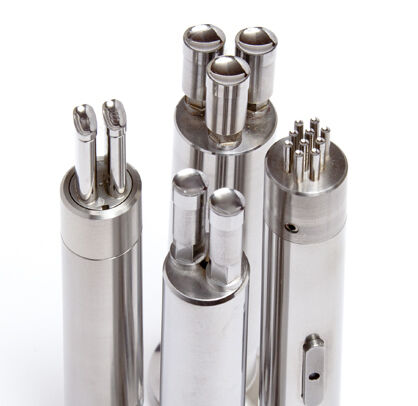
Material selection for precision tooling for pharma involves sophisticated metallurgical considerations that balance mechanical properties, chemical compatibility, regulatory compliance, and economic factors. Manufacturers of precision tooling for pharma utilize materials that meet stringent standards established by pharmacopeial authorities and pharmaceutical equipment organizations worldwide. The most common base material remains high-grade stainless steel, specifically formulations that provide excellent corrosion resistance while maintaining sufficient hardness to withstand repetitive high-pressure compression cycles. Type 440C stainless steel appears frequently in precision tooling for pharma applications because it offers an optimal combination of wear resistance, corrosion protection, and machinability that allows craftsmen to achieve the tight tolerances pharmaceutical manufacturing demands. However, certain applications require even more robust materials, prompting manufacturers to employ tool steels such as S7 shock-resistant steel or D2 high-carbon, high-chromium steel when producing precision tooling for pharma destined for the most demanding production environments. These premium materials cost more initially but deliver exceptional value through extended service life that can span millions of compression cycles before requiring replacement. The material selection process also considers potential interactions between the tooling surface and pharmaceutical formulations, particularly when manufacturing products containing acidic compounds, moisture-sensitive ingredients, or reactive components. Precision tooling for pharma must resist chemical degradation that could compromise dimensional accuracy, introduce metallic contamination into the product, or create surface defects that affect tablet quality. Regulatory compliance represents another crucial aspect of material selection for precision tooling for pharma, as tools must not introduce unacceptable levels of extractables or leachables into pharmaceutical products. Manufacturers provide material certifications documenting composition, heat treatment parameters, and mechanical properties that quality assurance professionals require for equipment qualification protocols. These certificates become part of your permanent batch documentation, available for review during regulatory inspections and audit procedures. The traceability extends to raw material sourcing, with precision tooling for pharma manufacturers maintaining detailed records showing material origin, lot numbers, and testing results that confirm specifications. Modern precision tooling for pharma also incorporates materials selected for environmental sustainability, with manufacturers increasingly offering options produced using responsible sourcing practices and recyclable materials that align with corporate sustainability objectives. When tools eventually reach end of life after years of faithful service, the materials can be reclaimed and recycled rather than disposed of in landfills, reducing environmental impact while recovering valuable metallic resources. This comprehensive approach to material selection ensures that precision tooling for pharma not only performs excellently during operational use but also supports broader organizational goals related to quality, compliance, safety, and environmental stewardship.

 EN
EN