High Capacity Hammer Mill: Industrial Grinding Solutions for Maximum Throughput

Get a Free Quote

Our representative will contact you soon.
Email
Name
Company Name
Message
0/1000

high capacity hammer mill

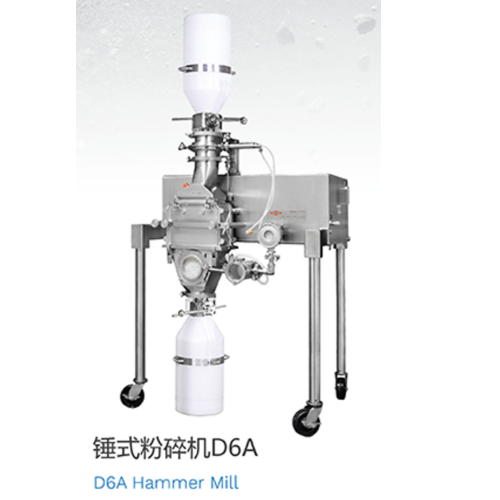
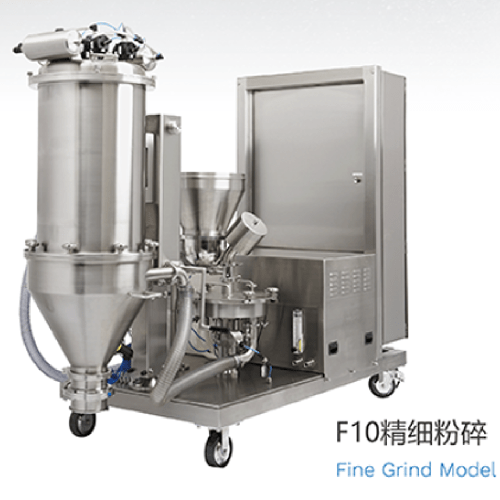
The high capacity hammer mill is a powerful size-reduction machine engineered to process large volumes of material with consistent efficiency and precision. Designed for industrial-scale operations, it uses a series of rotating hammers mounted on a high-speed rotor to strike, shatter, and grind raw materials into smaller, uniform particles. The resulting output size is controlled by interchangeable screens or grates positioned at the base of the grinding chamber, giving operators the flexibility to produce a wide range of particle sizes from a single machine platform. At its core, the high capacity hammer mill operates on the principle of impact force. As material enters the grinding chamber, the hammers accelerate it against breaker plates and the screen surface, breaking it down through repeated high-energy collisions. This mechanism makes the machine exceptionally effective at processing fibrous, brittle, and semi-hard materials alike. Technologically, modern high capacity hammer mill designs incorporate hardened steel hammers with reversible or replaceable tips, extending service life and reducing downtime. Advanced rotor balancing systems minimize vibration during operation, protecting both the machine and surrounding infrastructure. Many units also feature variable-speed drives, allowing operators to fine-tune rotor speed to match specific material characteristics and desired output specifications. Integrated dust containment systems and noise-reduction enclosures are increasingly standard, addressing environmental and workplace safety requirements. The applications of the high capacity hammer mill span a broad range of industries. In agriculture, it processes grain, corn, and biomass into animal feed and biofuel feedstocks. In the mining and minerals sector, it reduces ore, limestone, and coal to manageable sizes for downstream processing. The recycling industry relies on it to shred wood waste, paper, and light metals. Food processing facilities use it to grind spices, dried vegetables, and starch-based materials. Its versatility, combined with its ability to handle high throughput volumes, makes the high capacity hammer mill a cornerstone piece of equipment in any production environment that demands reliable, large-scale size reduction.


New Product Recommendations

When you invest in a high capacity hammer mill, you are choosing a machine that delivers real, measurable results on the production floor. Here is a straightforward look at the practical benefits that make this equipment a smart choice for businesses that need to process large volumes of material day after day. First, the high capacity hammer mill dramatically increases your throughput. Unlike smaller or older grinding systems that create bottlenecks in your production line, this machine is built to keep pace with demanding schedules. It can process significantly more material per hour, which means your team spends less time waiting and more time moving product forward. That translates directly into lower cost per ton of processed material and a faster return on your equipment investment. Second, operating costs stay manageable over the long term. The hammers and wear parts are designed for extended service life, and most models allow you to flip or replace individual hammers without taking the entire machine apart. This reduces both the cost of spare parts and the labor time needed for maintenance. Fewer unplanned shutdowns mean your production schedule stays on track and your team avoids the frustration of unexpected delays. Third, the high capacity hammer mill gives you control over your output. By swapping screens, you can shift from coarse grinding to fine grinding without purchasing a separate machine. This flexibility lets you respond quickly to changing customer requirements or product specifications without major capital expenditure. One machine handles multiple jobs, which simplifies your equipment inventory and reduces the floor space you need to dedicate to size-reduction tasks. Fourth, the machine is straightforward to operate. Modern high capacity hammer mill units come with intuitive controls, clear maintenance access points, and safety features that protect your workforce. Training new operators takes less time, and experienced operators can monitor performance and make adjustments without specialized engineering knowledge. This ease of use reduces human error and keeps quality consistent across shifts. Fifth, energy efficiency has improved significantly in newer designs. Variable-speed drives and optimized rotor geometry mean the machine draws only the power it actually needs for a given material and output size. Over the course of a full production year, those energy savings add up to a meaningful reduction in your utility costs. Sixth, the high capacity hammer mill is built to handle a wide variety of materials. Whether you are processing grain, biomass, minerals, recycled wood, or dried food products, the same core machine adapts to the task. This versatility protects your investment because the equipment remains useful even as your product mix evolves. In summary, the high capacity hammer mill gives your operation speed, control, reliability, and adaptability. These are not abstract engineering claims. They are practical advantages that show up in your production numbers, your maintenance budget, and your ability to meet customer demands consistently.

Practical Tips

How does a mini tablet press machine improve production?

25

May

How does a mini tablet press machine improve production?

In pharmaceutical manufacturing, nutraceutical production, and even chemical processing, the ability to compress powders into uniform, consistent tablets at scale is a foundational requirement. A mini tablet press machine has emerged as a transformat...
View More
How do packaging machine components work together?

25

May

How do packaging machine components work together?

Understanding how packaging machine components interact is fundamental to running efficient, reliable production lines. Every element within a packaging system—from the feeding mechanism to the sealing unit—is engineered to perform a prec...
View More
How Does Press Tooling Design Impact Production Efficiency?

25

May

How Does Press Tooling Design Impact Production Efficiency?

In high-volume manufacturing environments, the design of Press Tooling is one of the most consequential engineering decisions a production team can make. From cycle time to scrap rate, from die longevity to operator safety, the geometry, material sel...
View More
How Does Blister Packing Tooling Improve Production Speed?

25

May

How Does Blister Packing Tooling Improve Production Speed?

In high-volume pharmaceutical and consumer goods manufacturing, every second on the production line carries real cost. When facilities look for ways to accelerate output without compromising quality, the conversation almost always returns to the same...
View More

Get a Free Quote

Our representative will contact you soon.
Email
Name
Company Name
Message
0/1000

high capacity hammer mill

Unmatched Throughput for Demanding Production Environments

Unmatched Throughput for Demanding Production Environments

One of the most compelling reasons industrial operators choose the high capacity hammer mill is its ability to sustain high processing volumes without sacrificing output quality. In any production environment where raw material must be reduced in size before it moves to the next stage of manufacturing, the speed and consistency of that reduction process directly affects the efficiency of the entire operation. A machine that cannot keep up with incoming material flow creates a bottleneck that ripples through every downstream process, increasing wait times, raising labor costs, and ultimately cutting into profit margins. The high capacity hammer mill is engineered specifically to eliminate that bottleneck. Its rotor assembly is designed to maintain consistent hammer tip speed even under heavy feed loads, ensuring that each piece of incoming material receives the same level of impact energy regardless of how much material is entering the chamber at any given moment. This consistency is critical because uneven processing leads to inconsistent particle size distribution, which can cause problems in downstream equipment or fail to meet product specifications. The feeding system on a high capacity hammer mill is typically designed to match the machine's processing rate, using gravity-fed hoppers, belt conveyors, or screw feeders calibrated to deliver material at a steady, controlled rate. This prevents surging, which can overload the rotor and cause premature wear or unexpected shutdowns. By maintaining a steady feed rate, operators protect both the machine and the quality of the finished product. Beyond raw speed, the high capacity hammer mill maintains its throughput advantage over extended operating periods. The structural components, including the rotor shaft, bearing assemblies, and grinding chamber walls, are built from materials selected for their ability to withstand continuous high-load operation. This means the machine does not degrade in performance as a shift progresses. What you measure in the first hour of operation is what you can expect in the eighth hour, giving production planners the reliable data they need to schedule output targets with confidence. For businesses scaling up their operations or replacing aging equipment, the throughput capability of the high capacity hammer mill represents a direct path to increased revenue without a proportional increase in operating costs.
Precision Particle Control Through Adaptable Screen Technology

Precision Particle Control Through Adaptable Screen Technology

Particle size control is not a secondary concern in industrial grinding. It is often the defining factor in whether a finished product meets quality standards, performs correctly in its intended application, or passes regulatory inspection. The high capacity hammer mill addresses this requirement through a screen-based particle control system that gives operators precise, repeatable command over output granularity across a wide range of materials and production scenarios. The screen or grate assembly sits at the discharge point of the grinding chamber. Material that has been reduced to a size small enough to pass through the screen openings exits the chamber, while oversized particles continue to be struck by the rotating hammers until they reach the required size. By selecting screens with different aperture sizes, operators can shift the output specification of the high capacity hammer mill from coarse granules suitable for animal feed or biomass fuel to fine powders required in food processing or pharmaceutical pre-processing applications. This adjustment requires no specialized tools and can typically be completed in a short time, minimizing production downtime when switching between product runs. The screens themselves are manufactured from hardened steel or other wear-resistant alloys, chosen to match the abrasiveness of the material being processed. For highly abrasive minerals or recycled materials containing hard contaminants, reinforced screen options extend service intervals and reduce the frequency of replacement. For softer agricultural or food-grade materials, standard screens provide excellent longevity at a lower cost per unit. The ability to match screen material to application is a practical advantage that reduces the total cost of consumables over the machine's service life. Modern high capacity hammer mill designs also incorporate quick-release screen mounting systems that allow a single operator to perform a screen change safely and efficiently without reaching into hazardous areas of the machine. This design consideration reflects a broader commitment to operator safety and operational practicality. When your team can change screens quickly and safely, you reduce the risk of injury and keep your production schedule moving. Precision particle control through adaptable screen technology is not just a feature of the high capacity hammer mill. It is a production management tool that gives your operation the agility to serve diverse customer requirements from a single, cost-effective machine platform.
Durable Construction That Minimizes Downtime and Maintenance Costs

Durable Construction That Minimizes Downtime and Maintenance Costs

In any industrial operation, equipment downtime is one of the most expensive problems a production manager can face. When a critical machine stops working, the entire line may halt, labor costs continue to accumulate, delivery commitments come under pressure, and the cost of emergency repairs often exceeds what planned maintenance would have required. The high capacity hammer mill is designed from the ground up to minimize these risks through durable construction, accessible maintenance points, and wear parts engineered for long service intervals. The hammers themselves are the primary wear component in any hammer mill, and in the high capacity hammer mill, they are manufactured from high-chromium steel or other hardened alloys that resist the abrasive and impact forces generated during continuous operation. Many hammer designs are reversible, meaning that when one striking face wears down, the hammer can be flipped to present a fresh surface without replacement. This simple feature can double the effective service life of each hammer, cutting consumable costs significantly over the course of a production year. The rotor assembly is dynamically balanced at the factory to ensure smooth operation at full speed. Proper balance reduces vibration, which in turn reduces stress on bearings, shaft seals, and the machine's structural frame. Lower vibration levels mean longer bearing life, fewer seal replacements, and reduced fatigue in the surrounding support structure. All of these factors contribute to a lower total maintenance burden over the machine's operational lifespan. Access to internal components is a practical priority in the high capacity hammer mill design. Wide-opening inspection doors, swing-out screen frames, and clearly marked service points allow maintenance technicians to inspect, clean, and replace wear parts without disassembling major structural components. This reduces the time and skill level required for routine maintenance, which is particularly valuable in facilities where specialized mechanical staff may not always be available. The bearing housings are designed to accept standard bearing sizes available from multiple suppliers, avoiding the cost and lead time associated with proprietary replacement parts. This open-parts philosophy gives maintenance teams the flexibility to source components locally or from preferred suppliers, keeping repair costs competitive and reducing the risk of extended downtime caused by parts availability issues. When you choose the high capacity hammer mill, you are investing in a machine that is built to keep running, and built to be easy to maintain when service is required.

Get a Free Quote

Our representative will contact you soon.
Email
Name
Company Name
Message
0/1000