Powder Milling Equipment: Precision Grinding Solutions for Every Industry

Get a Free Quote

Our representative will contact you soon.
Email
Name
Company Name
Message
0/1000

powder milling equipment

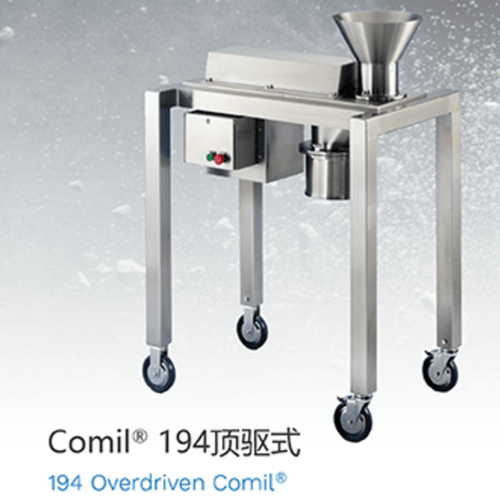
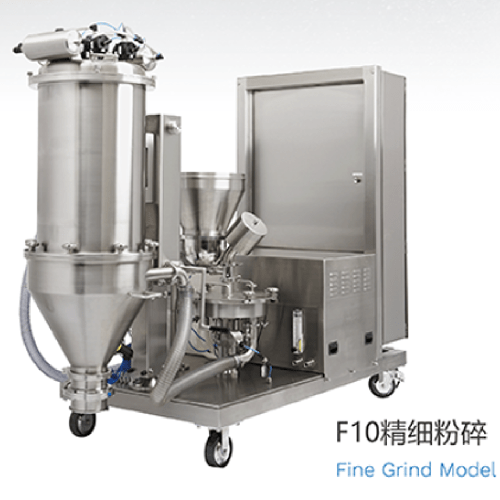
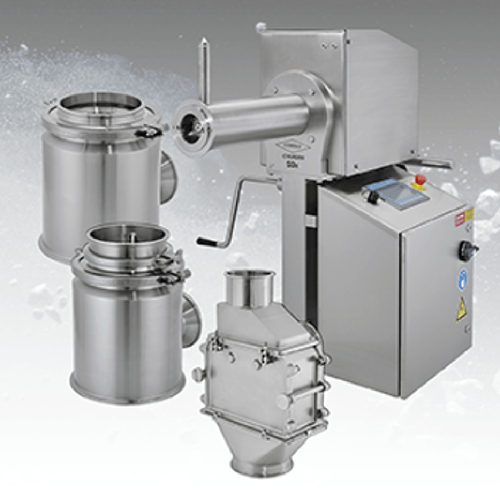
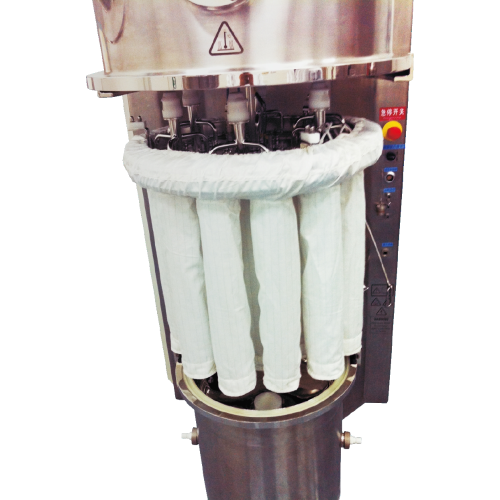
Powder milling equipment represents a cornerstone technology in modern manufacturing, enabling industries to transform raw materials into precisely sized particles with consistent quality. At its core, this equipment is designed to reduce bulk solids into fine powders through mechanical force, impact, attrition, or compression, depending on the specific machine type and application requirements. The primary function of powder milling equipment is to achieve controlled particle size reduction, ensuring that the final product meets exact specifications for downstream processing or end-use applications. Beyond simple size reduction, advanced powder milling equipment also delivers classification, mixing, and surface modification capabilities within a single integrated system, streamlining production workflows and reducing operational complexity. From a technological standpoint, modern powder milling equipment incorporates precision-engineered grinding chambers, high-performance drive systems, and intelligent control interfaces that allow operators to fine-tune parameters such as feed rate, rotor speed, airflow, and classifier settings in real time. Many systems now feature variable frequency drives, automated lubrication, and remote monitoring capabilities that enhance reliability and reduce unplanned downtime. The equipment is built with wear-resistant materials and modular components, making maintenance straightforward and cost-effective over the long term. Powder milling equipment finds broad application across a diverse range of industries. In pharmaceuticals, it is used to produce active ingredient powders with tight particle size distributions that directly influence drug bioavailability and formulation performance. In the food and beverage sector, it processes spices, grains, sugar, and nutritional supplements to achieve the texture and solubility profiles demanded by consumers. Chemical manufacturers rely on powder milling equipment to produce pigments, catalysts, fertilizers, and specialty chemicals with uniform particle characteristics. The minerals and mining industry uses it to process limestone, calcium carbonate, talc, and other non-metallic minerals for construction, coatings, and plastics applications. Energy storage manufacturers depend on it to prepare electrode materials for lithium-ion batteries. This versatility, combined with robust engineering and scalable design, makes powder milling equipment an indispensable asset across virtually every sector that works with solid materials.


Popular Products

Choosing the right powder milling equipment gives your operation a genuine competitive edge, and the benefits go far beyond simply grinding material into smaller pieces. Here is a straightforward look at what this equipment actually does for your business every single day. First, powder milling equipment delivers consistent, repeatable particle size results. When your output particle size stays within a tight range batch after batch, you eliminate the rework, waste, and customer complaints that come from inconsistent product quality. Consistency means your downstream processes run smoother, your formulations perform as expected, and your customers keep coming back because they trust what you deliver. Second, modern powder milling equipment is built for energy efficiency. Older grinding systems often waste significant power generating heat rather than doing useful work. Today's machines use optimized rotor geometries, precision airflow management, and variable speed drives to direct energy exactly where it is needed. The result is lower electricity bills and a smaller carbon footprint without sacrificing throughput or product quality. Third, powder milling equipment dramatically increases your production capacity. Whether you are scaling up from a pilot line or replacing an aging system, a well-matched mill can multiply your output while keeping your floor space requirements manageable. High-throughput designs with continuous feed systems mean you spend less time waiting and more time producing. Fourth, the equipment reduces contamination risk. Closed-loop designs, food-grade and pharmaceutical-grade contact surfaces, and easy-clean configurations keep your product pure and your facility compliant with regulatory standards. You do not have to choose between productivity and cleanliness. Fifth, powder milling equipment lowers your total cost of ownership over time. Wear-resistant liners, modular replacement parts, and predictive maintenance features mean fewer emergency repairs and shorter service windows. When a component does need replacing, you can swap it out quickly without specialized tools or lengthy downtime. Sixth, the flexibility of powder milling equipment lets you handle multiple materials on the same platform. Many mills can be reconfigured with different grinding elements, screen sizes, or classifier settings to process a wide variety of materials. This adaptability means you get more value from a single capital investment rather than purchasing separate machines for each product line. Seventh, advanced control systems make powder milling equipment easy to operate and monitor. Touchscreen interfaces, recipe storage, and remote diagnostics reduce the skill barrier for operators and give supervisors real-time visibility into production performance. You can catch problems early, adjust parameters on the fly, and maintain detailed production records for quality audits. Eighth, powder milling equipment supports your sustainability goals. Efficient dust collection, minimal material loss, and energy-saving operation all contribute to a cleaner, greener production environment. Regulatory pressure and customer expectations around sustainability are only increasing, and investing in efficient milling technology positions your business ahead of that curve. In summary, powder milling equipment is not just a processing tool. It is a strategic investment that improves quality, cuts costs, boosts capacity, and keeps your operation agile enough to respond to changing market demands.

Tips And Tricks

What are cardboard packing boxes and how do they work?

25

May

What are cardboard packing boxes and how do they work?

When businesses and individuals need a reliable, cost-effective, and versatile solution for protecting goods during storage or transit, cardboard packing boxes consistently emerge as the go-to choice. These containers are constructed from layers of p...
View More
How does a mini tablet press machine improve production?

25

May

How does a mini tablet press machine improve production?

In pharmaceutical manufacturing, nutraceutical production, and even chemical processing, the ability to compress powders into uniform, consistent tablets at scale is a foundational requirement. A mini tablet press machine has emerged as a transformat...
View More
How do packaging machine components work together?

25

May

How do packaging machine components work together?

Understanding how packaging machine components interact is fundamental to running efficient, reliable production lines. Every element within a packaging system—from the feeding mechanism to the sealing unit—is engineered to perform a prec...
View More
What is Blister Packing Tooling and How Does It Work?

25

May

What is Blister Packing Tooling and How Does It Work?

In pharmaceutical and consumer goods manufacturing, precision packaging is not just about aesthetics — it is a fundamental requirement for product safety, shelf life, and regulatory compliance. Blister Packing Tooling sits at the heart of this ...
View More

Get a Free Quote

Our representative will contact you soon.
Email
Name
Company Name
Message
0/1000

powder milling equipment

Precision Particle Size Control for Superior Product Quality

Precision Particle Size Control for Superior Product Quality

One of the most critical performance factors in any powder processing operation is the ability to achieve and maintain a precise, consistent particle size distribution. Powder milling equipment engineered with advanced classification technology gives manufacturers direct control over this parameter, and the downstream impact on product quality is profound. When particle size is tightly controlled, every batch of material behaves predictably. In pharmaceutical manufacturing, for example, the bioavailability of an active ingredient is directly linked to its particle size. Smaller, more uniform particles dissolve faster and absorb more efficiently in the body, which means the drug works better at lower doses. Powder milling equipment that delivers a narrow particle size distribution allows formulators to hit their target performance profiles consistently, reducing the need for costly reformulation or batch rejection. In the food industry, particle size determines texture, mouthfeel, solubility, and flavor release. A spice blend ground to the right fineness delivers a more intense, even flavor. A nutritional powder with uniform particle size dissolves cleanly in liquid without clumping. Consumers notice these differences, and brands that deliver consistent sensory experiences build stronger loyalty. The technology behind precision particle size control in modern powder milling equipment typically involves an integrated dynamic classifier or air classifier that separates oversized particles and returns them to the grinding zone for further processing. This closed-loop classification ensures that only particles meeting the target specification exit the system. Operators can adjust classifier speed, airflow, and feed rate to shift the particle size distribution in real time, giving them the flexibility to produce multiple product grades on the same machine without hardware changes. High-resolution particle size analyzers can be integrated directly into the production line, providing continuous feedback and enabling automatic adjustments that keep output within specification even as feed material properties vary. This level of process control reduces reliance on manual sampling and laboratory testing, accelerating production cycles and reducing the risk of out-of-specification batches reaching customers. Investing in powder milling equipment with precision classification capability is ultimately an investment in product quality, customer satisfaction, and brand reputation. The ability to deliver exactly what your specification sheet promises, every time, is a competitive advantage that compounds over the life of the equipment.
Robust Durability and Low Maintenance Design for Maximum Uptime

Robust Durability and Low Maintenance Design for Maximum Uptime

In any production environment, unplanned downtime is the enemy of profitability. Every hour a milling system sits idle waiting for a repair represents lost output, delayed orders, and frustrated customers. Powder milling equipment designed with durability and ease of maintenance at its core directly addresses this challenge, giving operators the confidence that their system will run reliably shift after shift, year after year. The foundation of a durable powder milling equipment design starts with material selection. Grinding chambers, rotors, liners, and classifier wheels are subjected to intense mechanical stress and abrasive wear during normal operation. High-quality powder milling equipment uses hardened steel alloys, ceramic composites, or polyurethane linings depending on the application, ensuring that wear-prone components maintain their geometry and performance characteristics over extended service intervals. When wear does occur, modular component design allows technicians to replace individual liners, hammers, pins, or screens without dismantling the entire machine. This targeted maintenance approach minimizes the time and labor required to restore the system to full performance. Bearing systems in modern powder milling equipment are engineered for long service life with sealed or automatically lubricated designs that reduce the frequency of manual maintenance interventions. Vibration monitoring sensors can detect early signs of bearing wear or imbalance, alerting maintenance teams before a minor issue becomes a catastrophic failure. This predictive maintenance capability transforms reactive repair schedules into planned service windows that can be scheduled during off-peak production periods, eliminating surprise shutdowns. Sealing systems are another critical durability factor. Effective seals prevent process material from migrating into drive components, which is a common cause of premature bearing and motor failure in powder processing equipment. Modern powder milling equipment uses labyrinth seals, purge air systems, or mechanical face seals to maintain a clean separation between the process zone and the mechanical drive train. Cleaning and changeover procedures are also engineered for speed and simplicity. Quick-release clamps, tool-free access panels, and smooth internal surfaces that resist material buildup allow operators to clean the system thoroughly between product runs in a fraction of the time required by older designs. For facilities running multiple products or operating under strict hygiene regulations, this fast changeover capability is a significant operational advantage. The cumulative effect of these durability and maintenance features is a powder milling equipment platform that delivers a lower total cost of ownership, higher overall equipment effectiveness, and greater production reliability than less robustly engineered alternatives.
Versatile Application Capability Across Diverse Industries and Materials

Versatile Application Capability Across Diverse Industries and Materials

The true measure of a capital equipment investment is not just how well it performs on a single task, but how broadly it can be applied across your current and future production needs. Powder milling equipment engineered for versatility delivers exceptional value by enabling manufacturers to process a wide range of materials and produce multiple product grades without requiring separate dedicated systems for each application. This adaptability is built into the fundamental design of high-performance powder milling equipment through interchangeable grinding elements, adjustable operating parameters, and configurable system layouts. A single powder milling equipment platform can be equipped with impact hammers for brittle materials, pin discs for medium-hardness products, or cutting rotors for fibrous or heat-sensitive materials. Changing between configurations typically requires only a set of standard tools and a short service window, making it practical to run different materials on the same machine across different production shifts. The range of industries that benefit from this versatility is extensive. Pharmaceutical manufacturers use powder milling equipment to process active pharmaceutical ingredients, excipients, and herbal extracts, each with different hardness, moisture sensitivity, and particle size requirements. Chemical producers rely on the same class of equipment to mill pigments, resins, waxes, and specialty additives. Food processors use powder milling equipment to grind spices, cocoa, coffee, sugar, and plant-based protein concentrates. Mineral processors depend on it to reduce calcium carbonate, kaolin, talc, and silica to the fine particle sizes demanded by paint, rubber, and plastics manufacturers. Battery material producers use powder milling equipment to prepare cathode and anode powders for next-generation energy storage systems. Each of these applications places different demands on the milling system in terms of particle size target, throughput rate, temperature sensitivity, contamination control, and regulatory compliance. Versatile powder milling equipment meets these varied demands through a combination of robust mechanical design, flexible process parameter adjustment, and a broad portfolio of compatible accessories and ancillary systems including feeders, classifiers, dust collectors, and conveying equipment. For manufacturers looking to expand their product portfolio, enter new markets, or future-proof their processing infrastructure, investing in versatile powder milling equipment is a strategically sound decision that maximizes the return on every capital dollar spent.

Get a Free Quote

Our representative will contact you soon.
Email
Name
Company Name
Message
0/1000