
 EN
EN



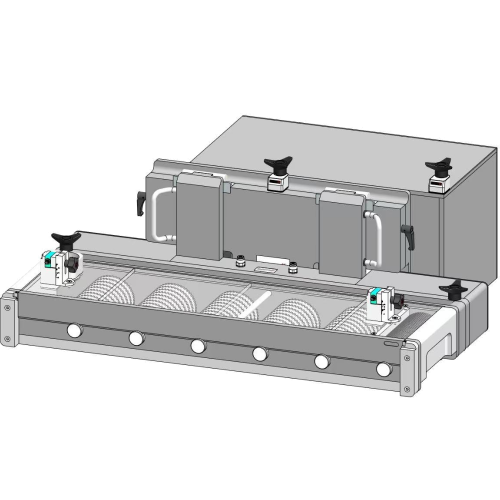
Understanding how packaging machine components interact is fundamental to running efficient, reliable production lines. Every element within a packaging system—from the feeding mechanism to the sealing unit—is engineered to perform a precise role, and the overall output quality depends entirely on how well these roles align with one another. When any single component falls out of sync, the entire production cycle is compromised, leading to waste, downtime, and inconsistent product presentation.
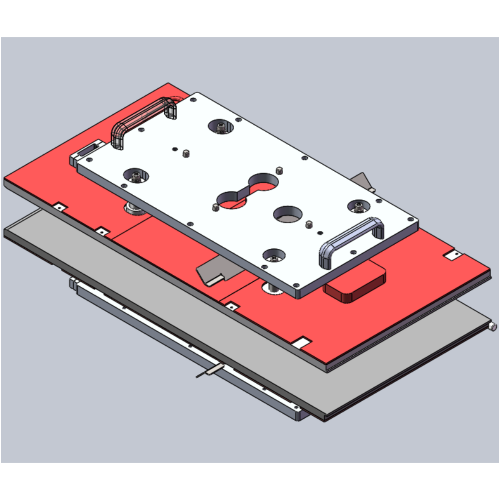
The collaborative operation of packaging machine components is not accidental—it is the result of deliberate mechanical and electronic engineering. In modern industrial settings, these components are synchronized through control systems, timing mechanisms, and feedback loops that allow each unit to respond to the performance of adjacent units in real time. This article breaks down how each major category of packaging machine components contributes to the system and how they collectively drive output consistency.
The Foundational Architecture of a Packaging System
Structural Frame and Drive System
At the base of any packaging machine is its structural frame, which provides the physical foundation that all other packaging machine components are mounted on and aligned to. This frame must be rigid enough to absorb vibration and mechanical stress without allowing misalignment between moving parts. Even minor shifts in the frame can throw off the positional accuracy of downstream components, causing misfeed or sealing defects.
The drive system, which powers the machine's moving parts, is tightly integrated with the structural assembly. Most modern machines use servo motors or stepper motors that allow precise control over speed, torque, and position. These motors communicate with a central controller, enabling all packaging machine components to operate in coordinated motion profiles rather than independent or arbitrary cycles. This synchronization is what allows high-speed production without mechanical conflict.
Power transmission elements—such as cams, gears, belts, and chains—translate motor output into the specific motions required by each station. The design of these transmission elements directly impacts the smoothness of the entire packaging process. Worn or poorly calibrated transmission components introduce timing errors that ripple through the entire system, affecting every downstream function.
Control and Automation Architecture
Programmable logic controllers (PLCs) and human-machine interfaces (HMIs) serve as the central nervous system of modern packaging machine components. The PLC executes the operational logic—deciding when each component activates, how long it operates, and under what conditions it should pause or stop. Without this coordination layer, individual components would have no awareness of each other's states.
Sensors are embedded throughout the machine to provide the PLC with real-time data. Proximity sensors detect the presence of product or tooling, photosensors confirm registration marks or film position, and temperature sensors monitor sealing element performance. This sensor network ensures that the packaging machine components respond dynamically to actual conditions rather than running on blind timers alone.
Modern systems increasingly incorporate industrial communication protocols that allow packaging machine components to exchange data with each other directly, as well as with upstream and downstream equipment on the production line. This digital integration enables predictive responses—for example, slowing the forming station if the filling station reports an incomplete dosing cycle.
Material Handling and Feeding Components
Film or Material Unwinding Systems
For machines that process roll-fed materials—such as blister packaging lines or flow wrappers—the unwinding system is the starting point of all coordinated motion. The film unwind unit maintains consistent tension as material is drawn into the machine. Too little tension causes film slack and misregistration; too much tension stresses the material and can cause tearing or stretch distortion at the forming station.
Tension control systems within the unwinding unit are directly linked to the machine's master timing signal. As the machine accelerates or decelerates, the tension control adjusts spool braking or motorized resistance proportionally. This real-time linkage between the unwind unit and the rest of the packaging machine components is what keeps material feeding stable across varying production speeds.
Splice detection sensors and accumulator buffers allow continuous operation even when a material roll change is necessary. These systems are designed to maintain the synchronized state of all downstream packaging machine components during what would otherwise be a production interruption, preserving line efficiency and reducing scrap material.
Product Feeding and Orientation Mechanisms
Product feeding components are responsible for introducing individual items into the packaging cycle at the correct time, position, and orientation. Vibratory feeders, pick-and-place robots, step conveyors, and rotary indexing systems each serve this function depending on product geometry, fragility, and production speed requirements. The choice and configuration of these packaging machine components are driven by the specific demands of the product being packed.
The timing of product introduction must be precisely synchronized with the cavity formation or tray positioning below. If a product arrives even slightly early or late relative to the forming tool's cycle, it will either be caught in the forming action or miss the pocket entirely, resulting in damaged product and rejected packages. The integration between feeding components and forming components is one of the most critical coordination points in any packaging system.
Orientation systems—such as vision-guided robots or mechanical sorting tracks—ensure that products enter the packaging cavities in the correct physical attitude. This is particularly important in pharmaceutical and medical device packaging, where product orientation directly affects compliance verification. These orientation packaging machine components communicate their status to the PLC so that the line halts or rejects a cycle when orientation cannot be confirmed.
Forming, Sealing, and Cutting Components
Forming Tooling and Its Role in the System
Forming tools are among the most mechanically critical packaging machine components in blister and thermoform packaging lines. They shape the base film into cavities that will hold the product. The accuracy of this forming operation directly determines the dimensional consistency of the finished package and its ability to achieve a proper seal. Forming tools must be manufactured to tight tolerances, as even small deviations in cavity depth or width affect how subsequent stations function.
The forming station operates in conjunction with heating elements that soften thermoplastic films to the point of deformability. Temperature control within the forming station must be stable and uniform, because film that is unevenly heated will form inconsistently, leading to cavities with variable wall thickness. These inconsistencies directly impact how the sealing station performs, since the lid material must make full contact with the flange surface of the formed cavity.
High-quality packaging machine components used in forming operations—such as precision-machined blister packing tooling—ensure that the forming cycle is repeatable and dimensionally stable across high-volume production runs. The mechanical interface between the forming tool and the machine's drive system is engineered to minimize deflection under load, preserving the positional accuracy that downstream operations depend on.
Sealing Systems and Their Interdependence with Forming
Sealing components fuse the lid material—usually aluminum foil or laminate film—onto the flanges of the formed cavities. The sealing station applies controlled heat and pressure through a sealing die that must be dimensionally matched to the forming tool. This is a critical interdependency: if the forming cavities shift even slightly due to film expansion or mechanical wear, the sealing die will no longer align correctly, producing partial or failed seals.
Sealing pressure, dwell time, and temperature are all regulated by the machine's control system and must be calibrated as a unit, not in isolation. A sealing system that is tuned without accounting for the thermal characteristics of the formed cavities will produce inconsistent bond strength. The integration of thermal monitoring into the sealing station allows the PLC to make incremental adjustments based on feedback, keeping the sealing parameters aligned with the actual conditions of the packaging machine components upstream.
Cooling stations often follow the sealing unit to rapidly stabilize the sealed package before it enters the cutting zone. Without adequate cooling, the still-soft seal can deform under the mechanical stress of the cutting operation, compromising package integrity. This thermal management step is an example of how packaging machine components are not just mechanically linked but also thermally sequenced to achieve the desired final condition.
Cutting and Punching Components
After sealing, the continuous web of formed and sealed material must be separated into individual packages. Cutting and punching packaging machine components perform this function using precision dies that match the perimeter profile of the package design. The cutting force and stroke must be sufficient to cleanly sever the web without crushing the sealed flange or distorting the package edges.
The cutting station receives positional cues from a registration system that tracks the web position relative to the formed cavities. This ensures that cuts are always made at the correct location, regardless of any minor film drift that may have accumulated upstream. The registration system is a key linking element between the forming, sealing, and cutting packaging machine components, ensuring that positional accuracy is maintained throughout the production cycle.
Tooling wear in the cutting station can cause burrs or incomplete cuts that affect package presentation and downstream handling. Monitoring systems that track cutting force and cycle count allow maintenance teams to schedule tooling replacement before quality is visibly affected. This proactive approach to managing packaging machine components reduces unplanned downtime and maintains consistent output quality.
Inspection, Rejection, and Output Handling Components
Integrated Quality Inspection Systems
Inspection systems are the verification layer that confirms all upstream packaging machine components have performed correctly. Vision systems, checkweighers, metal detectors, and leak testers each evaluate a different quality attribute of the finished package. These systems are positioned after critical process stations so that defects can be identified and rejected before they advance further in the production line.
The data generated by inspection systems is fed back to the PLC, which uses it to assess trends rather than just individual failures. If a vision system begins reporting a gradually shifting seal position, the PLC can flag this as a drift condition in the forming or sealing packaging machine components, prompting corrective action before defect rates escalate. This feedback loop between inspection and process control is a defining feature of well-engineered packaging systems.
In regulated industries such as pharmaceuticals, inspection systems must not only detect defects but also generate verifiable records for compliance purposes. The integration between inspection packaging machine components and data management software ensures that every package can be traced to the specific machine conditions under which it was produced, supporting regulatory audits and product recall management.
Rejection Mechanisms and Output Conveyors
Rejection mechanisms operate in direct response to signals from inspection systems, diverting nonconforming packages away from the good-product stream without halting the line. Air blast ejectors, pusher arms, and diverter gates are common rejection packaging machine components, each suited to different package sizes and speeds. The responsiveness of the rejection mechanism must be precisely timed to act on the correct package without affecting adjacent units.
Output conveyors receive the accepted packages and transport them to downstream operations such as cartoning, labeling, or manual inspection. The speed and spacing of the output conveyor must be synchronized with the cutting and rejection stations so that packages arrive at downstream operations in a controlled, evenly spaced sequence. Mismatches in conveyor speed relative to other packaging machine components cause package collisions, jams, or gaps in the downstream workflow.
Accumulation systems at the output stage buffer the flow of packages between the packaging machine and downstream equipment, absorbing short-term speed variations without causing stoppage. These systems are particularly valuable in integrated production lines where multiple packaging machine components and downstream machines must coexist without forcing each other into artificial speed matches.
Maintenance Coordination Across Packaging Machine Components
Scheduled Maintenance and Component Interdependence
Because packaging machine components function as an integrated system, the maintenance of any single component must consider its effect on the others. Replacing a worn forming tool without inspecting the sealing die for corresponding wear, for example, can introduce new mismatches that generate defects. Maintenance programs for packaging systems must therefore be designed with a system-level perspective rather than component-by-component isolation.
Lubrication intervals, calibration cycles, and tooling replacement schedules should be coordinated so that maintenance activities are clustered where possible, minimizing overall line downtime. Modern packaging systems with condition monitoring capabilities can recommend maintenance actions based on actual component performance data rather than fixed time intervals, extending the useful life of packaging machine components while preserving output quality.
Operators and maintenance technicians who understand how packaging machine components interact are far more effective at diagnosing root causes of quality issues. Training programs that explain the system-level logic of packaging machines—not just the function of individual components—produce teams that can resolve complex problems faster and with fewer trial-and-error interventions.
Tooling Compatibility and System Performance
Tooling is one of the most performance-critical categories of packaging machine components because it directly shapes and seals the product. Tooling that is dimensionally inconsistent with the machine's specifications introduces cumulative errors that degrade output quality over time. Selecting tooling manufactured to precise tolerances and verified against the machine's technical standards is essential for maintaining system-wide performance.
When tooling is changed for a new product format, the changeover process must account for the recalibration of all interconnected packaging machine components. A new forming tool may require adjustments to the heating elements, the sealing die pressure, the registration system offsets, and the cutting die position. Treating a tooling change as an isolated event rather than a system-level recalibration is a common source of post-changeover quality problems.
Regular tooling audits that measure cavity dimensions, flange flatness, and sealing surface condition allow operations teams to detect gradual wear before it compromises package quality. Maintaining a documented history of tooling performance across production runs supports better planning for tooling replacement and helps correlate product quality trends with the condition of specific packaging machine components.
FAQ
What happens when one packaging machine component fails during production?
When a single component fails, its effect propagates through the system because all packaging machine components are interdependent. The control system typically detects the failure through sensor feedback and halts the line or isolates the fault to prevent further damage. The severity of the impact depends on which component fails and how quickly the issue is diagnosed and corrected.
How are packaging machine components synchronized during high-speed production?
Synchronization is achieved through a combination of the PLC's motion control logic, servo motor timing, and real-time sensor feedback. Each of the packaging machine components operates according to a coordinated timing profile that is managed by the central controller. At higher speeds, this synchronization becomes even more critical because the tolerance for timing errors narrows significantly.
How does tooling quality affect the overall performance of packaging machine components?
Tooling quality has a cascading effect on all downstream packaging machine components. Poor forming tool accuracy leads to dimensional inconsistencies in cavities, which then cause sealing failures, cutting misalignment, and inspection rejections. Investing in precision tooling manufactured to tight specifications reduces the burden on every downstream component and improves overall system reliability.
How often should packaging machine components be inspected or recalibrated?
Inspection and recalibration frequency depends on production volume, the criticality of the application, and the condition monitoring capabilities of the machine. In regulated industries, packaging machine components are often subject to scheduled qualification checks. Even outside regulated environments, a regular inspection protocol tied to production volume milestones—rather than fixed calendar intervals—is the most effective approach to maintaining system-wide performance.
Table of Contents
- The Foundational Architecture of a Packaging System
- Material Handling and Feeding Components
- Forming, Sealing, and Cutting Components
- Inspection, Rejection, and Output Handling Components
- Maintenance Coordination Across Packaging Machine Components
-
FAQ
- What happens when one packaging machine component fails during production?
- How are packaging machine components synchronized during high-speed production?
- How does tooling quality affect the overall performance of packaging machine components?
- How often should packaging machine components be inspected or recalibrated?