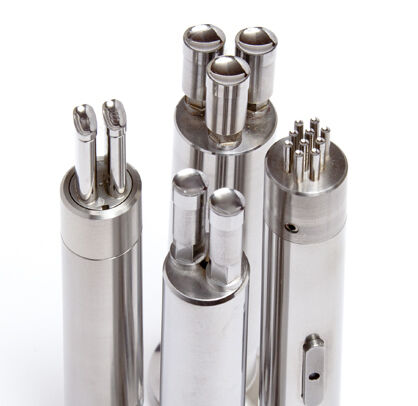
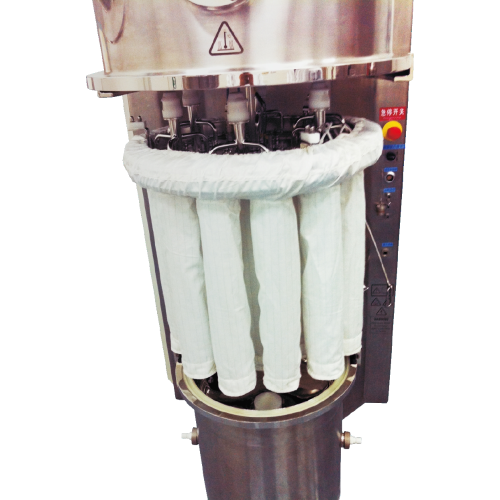
tooling for catalysts
Tooling for catalysts represents a specialized category of precision equipment designed to manufacture, shape, and process catalytic materials used across chemical, petrochemical, automotive, and environmental industries. This sophisticated tooling encompasses dies, molds, extrusion equipment, pelletizing systems, and forming apparatus that transform raw catalyst materials into their final functional shapes. The main functions of tooling for catalysts include creating uniform geometric configurations such as pellets, spheres, rings, honeycombs, and extrudates that optimize surface area and flow characteristics essential for catalytic reactions. These tools enable manufacturers to produce catalysts with consistent dimensions, controlled porosity, and precise mechanical strength, which directly influence catalyst performance and lifespan. Technological features of modern tooling for catalysts incorporate advanced materials like hardened steel alloys, tungsten carbide, and specialized coatings that resist abrasion and chemical corrosion during repetitive production cycles. Many systems integrate automated feeding mechanisms, precision pressure controls, temperature regulation, and real-time monitoring sensors that ensure dimensional accuracy and repeatability. Computer numerical control technology has revolutionized tooling for catalysts by enabling complex geometries and rapid changeovers between different catalyst specifications. Applications span multiple sectors where catalytic processes are critical. In petroleum refining, tooling for catalysts produces hydroprocessing catalysts shaped as cylinders or trilobe extrudates. Automotive manufacturers rely on this tooling to create honeycomb structures for catalytic converters that reduce vehicle emissions. Chemical plants use tooling for catalysts to manufacture spherical beads for fixed-bed reactors and irregular shapes for fluidized-bed applications. Environmental remediation projects depend on specially tooled catalysts for air purification systems and wastewater treatment facilities. The pharmaceutical industry employs tooling for catalysts in producing chiral catalysts with specific configurations for drug synthesis. As global environmental regulations tighten and industrial processes demand greater efficiency, the role of precision tooling for catalysts becomes increasingly vital in delivering consistent, high-performance catalytic materials that meet stringent quality standards while optimizing production economics.

 EN
EN