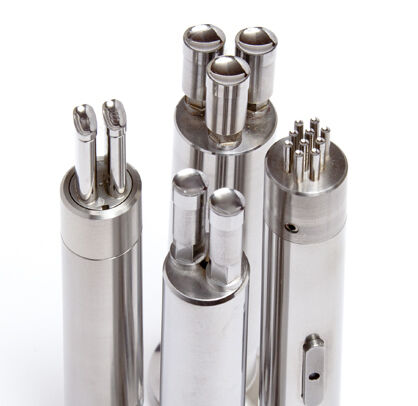
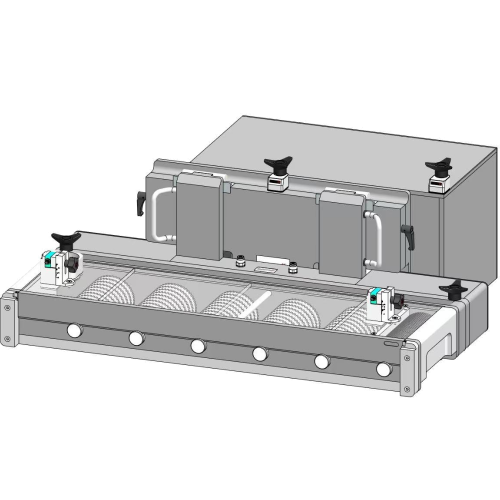
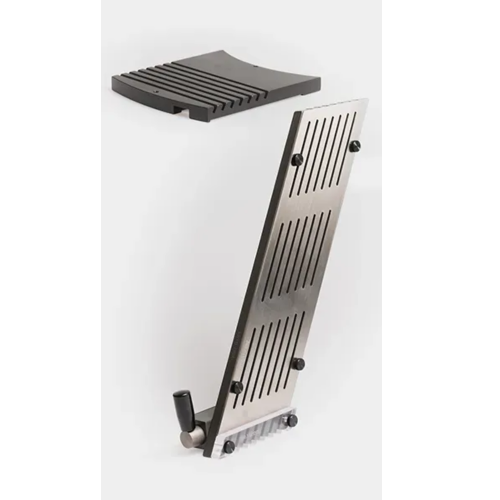
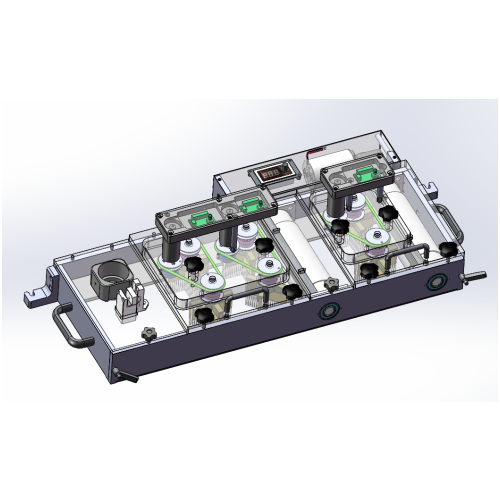
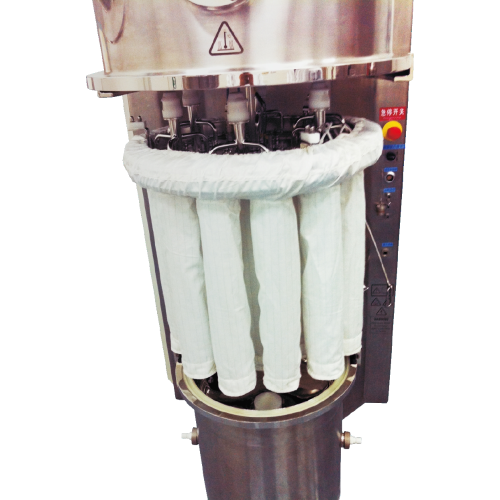
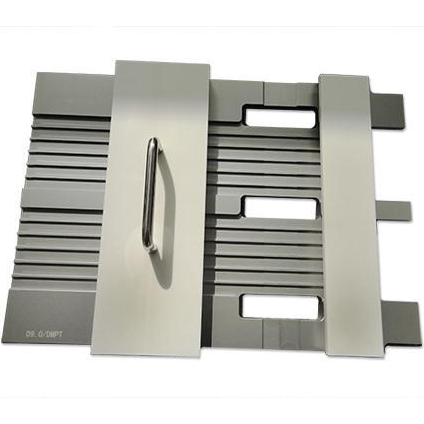
high precision tooling parts
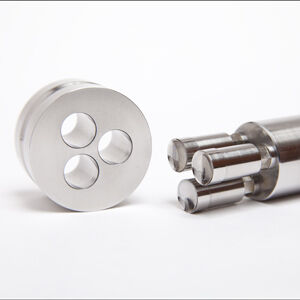
High precision tooling parts are the backbone of modern manufacturing, engineered to deliver exact dimensions, consistent performance, and long-term reliability across a wide range of industrial applications. These components are produced using advanced machining technologies such as CNC milling, grinding, electrical discharge machining (EDM), and wire cutting, all of which allow manufacturers to achieve tolerances as tight as a few microns. The result is a set of parts that fit together seamlessly, function predictably, and hold up under demanding operating conditions. At their core, high precision tooling parts serve several critical functions. They guide, support, and position workpieces during manufacturing processes, ensuring that every finished product meets strict dimensional and geometric specifications. They also form the structural foundation of molds, dies, jigs, and fixtures, which are the essential tools used to shape, cut, and assemble components in industries ranging from automotive to aerospace. Without reliable tooling parts, even the most sophisticated production lines would struggle to maintain quality and throughput. From a technological standpoint, high precision tooling parts are manufactured from carefully selected materials including hardened tool steel, carbide, stainless steel, and specialty alloys. These materials are chosen for their hardness, wear resistance, thermal stability, and machinability. Surface treatments such as nitriding, PVD coating, and hard chrome plating are often applied to extend service life and reduce friction. Metrology plays a central role in the production process, with coordinate measuring machines (CMMs) and optical comparators used to verify that every part meets its design intent before it leaves the factory. The applications of high precision tooling parts span virtually every sector of modern industry. In the automotive field, they are used in engine component molds, transmission housings, and body panel dies. In electronics manufacturing, they enable the production of micro-scale connectors, semiconductor packages, and circuit board assemblies. Medical device manufacturers rely on them to produce implants, surgical instruments, and diagnostic equipment with the accuracy that patient safety demands. Aerospace engineers use them to fabricate turbine blades, structural brackets, and avionics housings where weight, strength, and dimensional accuracy are all non-negotiable. High precision tooling parts are not simply manufactured components. They are engineered solutions that make precision manufacturing possible at scale.

 EN
EN