Cost Efficiency Through Specialized Infrastructure and Economies of Scale
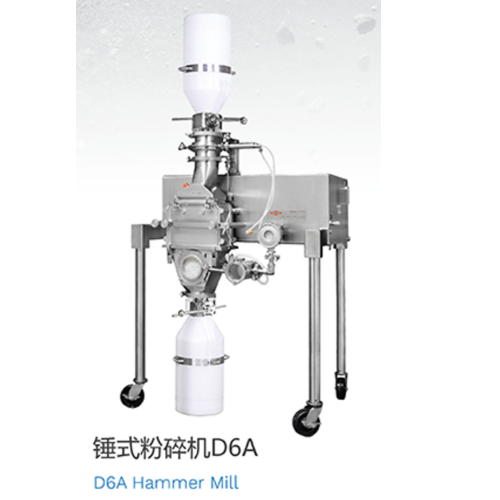
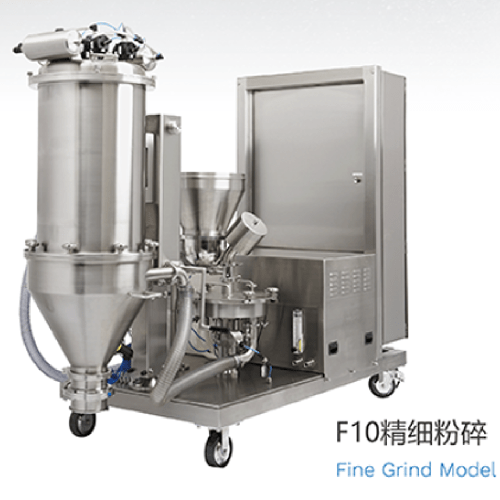
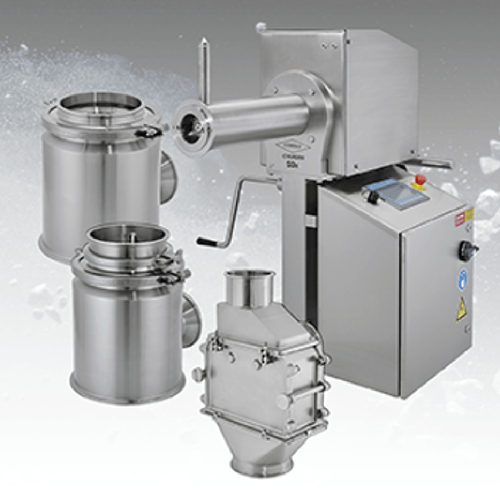
The economic advantages of utilizing pharmaceutical milling services extend well beyond avoiding equipment purchases, encompassing a comprehensive value proposition built on specialized infrastructure and operational efficiencies that would be impractical for most pharmaceutical companies to replicate internally. Professional milling providers have invested in diverse equipment portfolios that span multiple technologies, each optimized for different materials and particle size objectives. This equipment diversity means they can select the ideal processing approach for your specific compound rather than forcing your material through whatever machinery happens to be available. The capital expenditure required to establish comparable capabilities in-house would typically exceed several million dollars when accounting for the equipment itself, facility modifications to accommodate installation, utilities infrastructure, dust collection and containment systems, and the extensive qualification activities required before processing the first commercial batch. Beyond equipment costs, pharmaceutical milling services deliver value through their maintenance programs and technical expertise that keep complex machinery operating at peak performance. Milling equipment requires specialized knowledge for proper maintenance, with many systems incorporating components that demand precise alignment, regular replacement of wear parts, and periodic recalibration to maintain processing consistency. Service providers employ dedicated maintenance teams with manufacturer training who perform preventive maintenance according to validated schedules, minimizing downtime and ensuring equipment remains in a validated state. This ongoing maintenance burden, if borne internally, would require hiring specialized personnel whose salaries and benefits represent significant fixed costs regardless of equipment utilization. The economies of scale achieved by pharmaceutical milling services create pricing advantages that benefit customers through competitive processing fees. Because these providers process materials for multiple clients, they spread fixed costs across a larger revenue base, achieving unit costs lower than what individual companies could accomplish processing only their own materials. This cost distribution becomes particularly advantageous for smaller pharmaceutical companies and biotechnology startups that lack the production volumes needed to justify dedicated milling infrastructure. The flexibility to scale processing volumes up or down based on actual needs prevents the waste associated with underutilized equipment, a common problem when companies install milling capabilities to meet peak demand but then operate below capacity during normal periods. Professional milling services also reduce indirect costs associated with regulatory compliance, environmental permits, and safety programs that milling operations require. Managing explosive dust hazards, implementing proper ventilation systems, and training personnel on safety procedures create administrative burdens that consume time and resources beyond the direct processing activities. By outsourcing to specialized providers, pharmaceutical companies transfer these responsibilities to organizations whose core competency includes managing such requirements efficiently.

 EN
EN