Professional Tooling for Labeling Machine - Precision Application Systems for Enhanced Production Efficiency

Get a Free Quote

Our representative will contact you soon.
Email
Name
Company Name
Message
0/1000

tooling for labeling machine

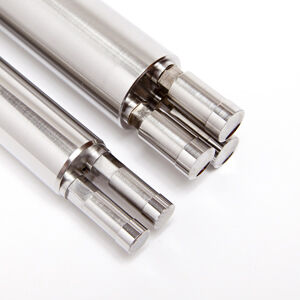
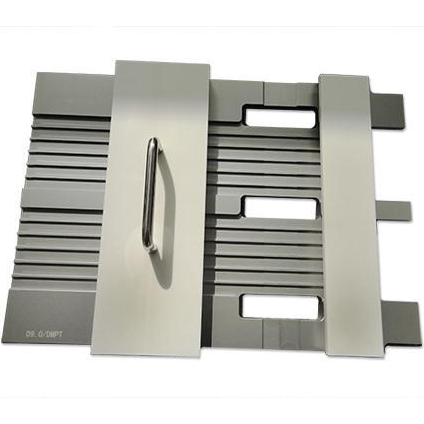
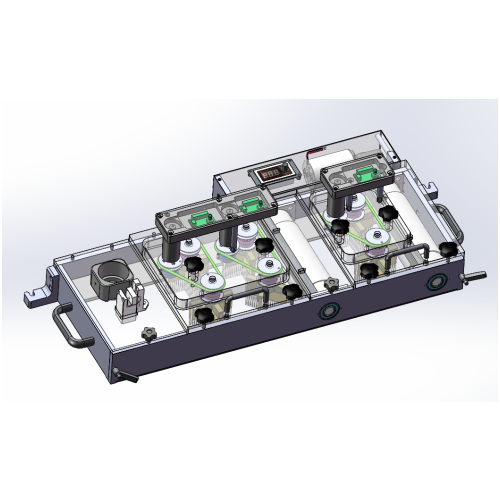
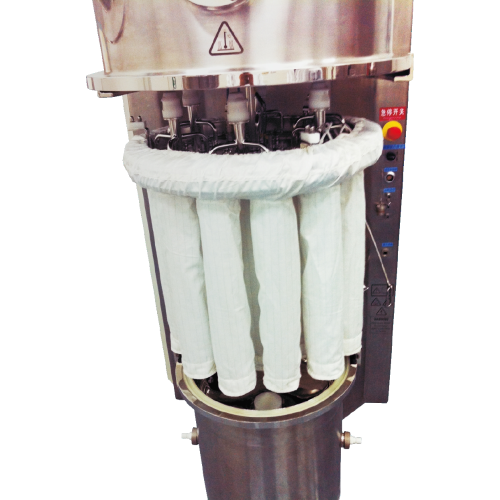
Tooling for labeling machine represents a critical component system that enables precise, efficient, and reliable label application across diverse manufacturing and packaging environments. This specialized equipment encompasses various mechanical and technical elements designed to handle, position, and apply labels to products, containers, and packaging materials with exceptional accuracy. The tooling for labeling machine includes adjustable guides, precise positioning mechanisms, label dispensing units, application rollers, and product handling systems that work in harmony to ensure consistent labeling results. Modern tooling for labeling machine configurations incorporate advanced sensor technology, pneumatic controls, and servo-driven mechanisms that adapt to different product shapes, sizes, and labeling requirements. The main functions of tooling for labeling machine extend beyond simple label placement, offering capabilities such as orientation detection, quality verification, reject mechanisms, and integration with upstream and downstream production equipment. Technological features embedded within tooling for labeling machine systems include quick-changeover capabilities that minimize downtime when switching between product lines, modular design elements that facilitate maintenance and upgrades, and precision alignment systems that guarantee label placement accuracy within tight tolerances. Applications for tooling for labeling machine span numerous industries including food and beverage, pharmaceuticals, cosmetics, chemicals, logistics, and consumer goods manufacturing. Whether applying front and back labels, wrap-around labels, tamper-evident seals, or promotional stickers, the tooling for labeling machine adapts to meet specific operational demands. The versatility of tooling for labeling machine allows manufacturers to handle cylindrical containers, flat surfaces, irregular shapes, and flexible packaging with equal proficiency. Integration capabilities enable tooling for labeling machine to connect seamlessly with existing production line control systems, inventory management software, and quality assurance protocols, creating a cohesive manufacturing ecosystem that enhances overall operational efficiency and product quality standards.


New Product Releases

The tooling for labeling machine delivers substantial practical benefits that directly impact your production efficiency and bottom-line profitability. First and foremost, this equipment dramatically reduces labor costs by automating what would otherwise require manual handling and application processes. Your workforce can focus on higher-value tasks while the tooling for labeling machine consistently applies labels at speeds that far exceed human capabilities, often processing hundreds or thousands of units per hour depending on configuration. Accuracy stands as another compelling advantage, as tooling for labeling machine eliminates the positioning errors and misalignments common with manual labeling operations. This precision ensures your products maintain a professional appearance that strengthens brand perception and reduces waste from incorrectly labeled items that must be reworked or discarded. The consistency provided by tooling for labeling machine means every single product receives identical label placement, creating uniformity across your entire production run that customers recognize and trust. Flexibility represents a major benefit when you consider how quickly market demands change and product lines evolve. Modern tooling for labeling machine systems feature adjustment mechanisms that allow rapid changeovers between different label sizes, product dimensions, and application methods without requiring specialized technical expertise or extended downtime. This adaptability protects your investment by ensuring the equipment remains relevant as your business grows and diversifies. Durability and reliability characterize quality tooling for labeling machine construction, with components engineered to withstand demanding production environments and maintain performance over extended operational periods. This longevity translates into predictable maintenance schedules, reduced unexpected breakdowns, and lower total cost of ownership compared to less robust alternatives. The tooling for labeling machine also enhances workplace safety by containing moving parts within protective housings and incorporating emergency stop mechanisms that protect operators from potential hazards. Integration capabilities allow tooling for labeling machine to communicate with your existing production equipment, creating synchronized workflows that optimize material flow and minimize bottlenecks. Real-time monitoring features provide visibility into operational status, enabling proactive maintenance and immediate identification of issues before they escalate into costly production interruptions. Quality control benefits emerge from the consistent application standards that tooling for labeling machine maintains, reducing customer complaints and returns associated with labeling defects. Environmental advantages include reduced label waste through precise dispensing mechanisms and energy-efficient operation that lowers utility costs while supporting sustainability initiatives. The return on investment for tooling for labeling machine typically materializes quickly through the combination of increased throughput, reduced labor expenses, minimized waste, and improved product quality that commands premium pricing and customer loyalty.

Practical Tips

What is a mini tablet press machine and how does it work?

25

May

What is a mini tablet press machine and how does it work?

A mini tablet press machine is a compact, precision-driven piece of equipment designed to compress powdered or granulated materials into uniform tablet forms. Whether used in pharmaceutical research, nutraceutical development, or small-scale chemical...
View More
How do packaging machine components work together?

25

May

How do packaging machine components work together?

Understanding how packaging machine components interact is fundamental to running efficient, reliable production lines. Every element within a packaging system—from the feeding mechanism to the sealing unit—is engineered to perform a prec...
View More
What is Press Tooling and How Does It Work in Manufacturing?

25

May

What is Press Tooling and How Does It Work in Manufacturing?

In modern manufacturing, precision, repeatability, and efficiency are not optional — they are the foundation of competitive production. Press Tooling sits at the heart of this foundation, enabling manufacturers across industries to form, cut, s...
View More
How Does Press Tooling Quality Affect Final Product Results?

25

May

How Does Press Tooling Quality Affect Final Product Results?

In precision manufacturing, the quality of Press Tooling is one of the most consequential variables in determining whether a final product meets its dimensional, structural, and aesthetic specifications. Every stamped, formed, or punched component th...
View More

Get a Free Quote

Our representative will contact you soon.
Email
Name
Company Name
Message
0/1000

tooling for labeling machine

Precision Engineering for Unmatched Label Placement Accuracy

Precision Engineering for Unmatched Label Placement Accuracy

The precision engineering incorporated into tooling for labeling machine represents a fundamental advantage that separates professional-grade equipment from basic alternatives. This precision manifests through multiple interconnected systems working in perfect synchronization to achieve label placement accuracy measured in fractions of a millimeter. The positioning mechanisms within tooling for labeling machine utilize advanced sensor arrays that detect product presence, orientation, and exact location on conveyor systems before initiating the label application sequence. These sensors communicate with servo-controlled actuators that adjust application heads in real-time, compensating for minor variations in product positioning or speed fluctuations in the production line. The label dispensing components of tooling for labeling machine feature precision-engineered peeling edges and tension control systems that separate labels from backing material without distortion or damage, maintaining label integrity throughout the application process. Registration marks printed on label stock enable the tooling for labeling machine to identify exact label boundaries and artwork positioning, ensuring text, barcodes, and graphics align perfectly with product features such as seams, caps, or design elements. This level of precision proves absolutely essential in regulated industries where label placement affects compliance with legal requirements for ingredient lists, warning statements, and tracking information. Pharmaceutical applications demand that tooling for labeling machine place labels with sufficient accuracy to ensure critical safety information remains visible and legible throughout product lifecycle and handling. The mechanical construction supporting precision in tooling for labeling machine includes rigid frame assemblies manufactured from materials that resist vibration and dimensional changes despite temperature fluctuations in production environments. Linear guides, precision bearings, and calibrated adjustment mechanisms allow operators to set exact parameters that the tooling for labeling machine maintains consistently across millions of application cycles. Quality assurance systems integrated into advanced tooling for labeling machine configurations employ vision inspection technology that verifies label presence, position, and readability immediately after application, automatically rejecting any products that fail to meet predefined standards. This immediate verification prevents defective products from advancing through production and potentially reaching customers, protecting brand reputation and avoiding costly recalls. The precision capabilities of tooling for labeling machine extend operational benefits beyond mere aesthetics, directly impacting functionality when labels serve purposes such as RFID tracking, tamper evidence, or machine-readable codes that automated systems must scan reliably throughout supply chains.
Rapid Changeover Design Maximizing Production Flexibility

Rapid Changeover Design Maximizing Production Flexibility

The rapid changeover capabilities built into modern tooling for labeling machine address one of the most significant operational challenges facing today's manufacturers who must balance efficiency with product variety. Traditional labeling systems often require extensive downtime when switching between product formats, label sizes, or application methods, creating production scheduling constraints that limit responsiveness to market demands. Advanced tooling for labeling machine overcomes these limitations through intelligent modular design that enables format changes in minutes rather than hours. Tool-free adjustment mechanisms allow operators to reposition guides, change application heads, and reconfigure product handling components without requiring specialized technical knowledge or extensive training periods. The tooling for labeling machine achieves this accessibility through clearly marked adjustment points, intuitive control interfaces, and mechanical designs that incorporate quick-release fasteners and indexed positioning systems. Memory functions within the control systems of sophisticated tooling for labeling machine store parameters for different product configurations, allowing operators to recall complete setup profiles with simple menu selections rather than manually adjusting dozens of individual settings. This digital memory eliminates setup errors and ensures consistency when returning to previously run products after producing alternative items. The modular architecture of contemporary tooling for labeling machine permits physical component exchanges that adapt the system for fundamentally different applications, such as switching from pressure-sensitive labels to shrink sleeves or from cylindrical product handling to flat panel processing. Manufacturers investing in tooling for labeling machine with superior changeover design gain competitive advantages through their ability to economically produce smaller batch sizes that match actual demand rather than forcing large production runs to justify setup time investments. This flexibility supports just-in-time manufacturing strategies that reduce inventory carrying costs while improving freshness for date-sensitive products. Market testing of new product variants becomes financially viable when tooling for labeling machine accommodates short runs without prohibitive setup expenses that would otherwise require significant sales volumes to justify. Seasonal product variations, limited edition releases, and regional market customization all become practical strategies enabled by rapid changeover tooling for labeling machine capabilities. The time savings translate directly into increased effective production capacity, allowing the same equipment investment to generate higher output across diversified product portfolios. Maintenance efficiency improves when tooling for labeling machine features accessible component designs that technicians can service quickly, returning equipment to production status faster and reducing the spare parts inventory required to support operations.
Robust Construction Ensuring Long-Term Operational Reliability

Robust Construction Ensuring Long-Term Operational Reliability

The robust construction methodology applied to quality tooling for labeling machine creates equipment that withstands demanding industrial environments while maintaining performance standards throughout extended service lives. This durability begins with material selection, as manufacturers of premium tooling for labeling machine specify corrosion-resistant metals, industrial-grade polymers, and surface treatments that protect against chemical exposure, moisture, and abrasive conditions common in production facilities. Structural frames supporting tooling for labeling machine utilize reinforced designs that maintain dimensional stability despite vibration from integrated motors, pneumatic actuators, and the dynamic forces generated during high-speed label application cycles. The engineering approach considers not only static load capacity but also fatigue resistance that prevents gradual degradation from millions of repetitive motion cycles. Critical wear components within tooling for labeling machine receive special attention through hardened surfaces, replaceable inserts, and lubrication systems that extend service intervals and simplify maintenance procedures. Electrical and electronic systems integrated into tooling for labeling machine benefit from protective enclosures rated for industrial environments, shielding sensitive components from dust, humidity, and electromagnetic interference that could compromise control accuracy or cause premature failures. Cable management systems within tooling for labeling machine route conductors through protected channels that prevent damage from moving components while maintaining flexibility for adjustment and service access. The pneumatic systems powering many tooling for labeling machine functions incorporate filters, regulators, and quality valves that ensure consistent actuation force and timing despite variations in facility air supply quality. Reliability engineering principles guide the component selection process for tooling for labeling machine, favoring proven technologies with established service histories over unproven innovations that might introduce failure modes. Redundancy features in mission-critical tooling for labeling machine systems provide backup capabilities that maintain partial operation even if individual components fail, preventing complete production stoppages. Diagnostic capabilities built into advanced tooling for labeling machine monitor component health indicators such as motor current draw, actuator cycle times, and sensor response patterns, providing early warning of developing issues before they cause unexpected failures. Preventive maintenance becomes more effective and efficient when tooling for labeling machine designs facilitate inspection access and component replacement without requiring extensive disassembly. The long-term cost advantages of robust tooling for labeling machine construction manifest through reduced downtime, lower repair expenses, extended equipment lifespan, and maintained resale value that protects capital investments. Production managers appreciate how reliable tooling for labeling machine equipment creates predictable operational costs and scheduling certainty that supports commitments to customers and efficient resource planning throughout organizations.

Get a Free Quote

Our representative will contact you soon.
Email
Name
Company Name
Message
0/1000