tooling for blister sealing
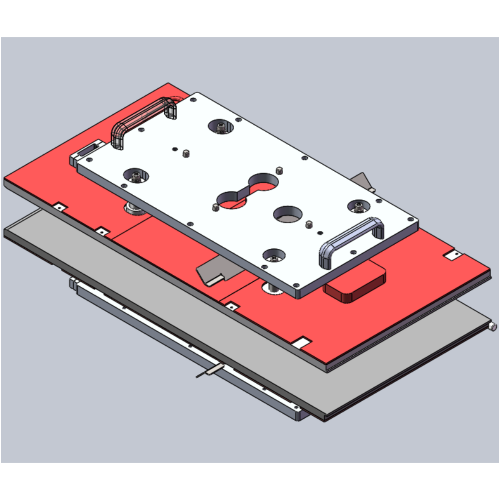
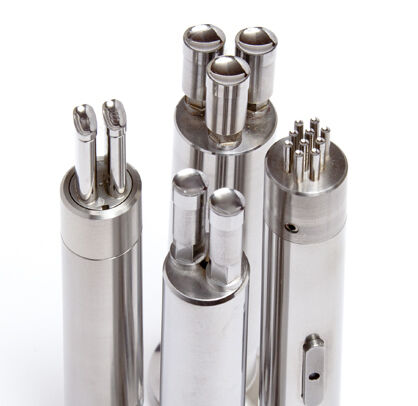
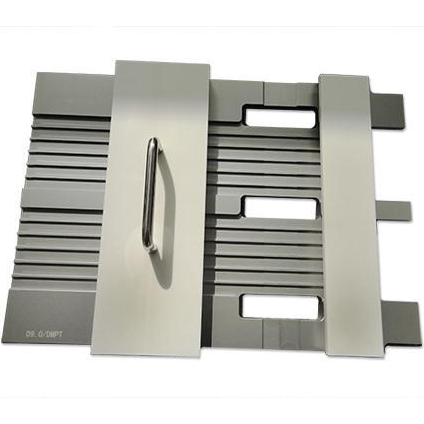
Tooling for blister sealing is a critical component in modern packaging operations, designed to create secure, tamper-evident enclosures for a wide range of products. At its core, this tooling works by applying precisely controlled heat and pressure to bond a lidding material, typically aluminum foil or a polymer film, to a pre-formed blister cavity filled with the product. The result is a hermetically sealed package that protects contents from moisture, contamination, and physical damage throughout the supply chain. The main functions of tooling for blister sealing include forming the blister cavity, aligning the lidding material, applying uniform sealing force, and cutting or perforating the finished pack to specification. Each of these functions demands tight dimensional tolerances and consistent thermal performance, which is why the design and manufacture of this tooling require advanced engineering expertise. From a technological standpoint, modern tooling for blister sealing incorporates hardened steel or aluminum alloy construction to withstand repeated thermal cycling without deformation. Precision-machined sealing surfaces ensure even heat distribution across the entire seal area, eliminating weak spots that could compromise package integrity. Many tooling sets also feature interchangeable inserts, allowing manufacturers to switch between product formats quickly and cost-effectively. Temperature regulation systems embedded within the tooling maintain stable operating conditions, reducing the risk of over-sealing or under-sealing. In terms of applications, tooling for blister sealing serves a broad spectrum of industries. The pharmaceutical sector relies on it to package tablets, capsules, and medical devices in compliance with strict regulatory standards. Consumer goods manufacturers use it for hardware, batteries, and personal care items. The food industry applies it to portion-controlled products requiring extended shelf life. Electronics producers depend on it to protect sensitive components from electrostatic discharge and humidity. Across all these sectors, the performance of the tooling directly determines package quality, production efficiency, and regulatory compliance, making it one of the most strategically important investments a packaging operation can make.

 EN
EN