Enhanced Durability and Reduced Maintenance Requirements
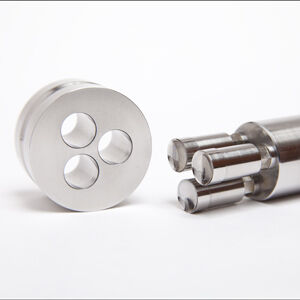
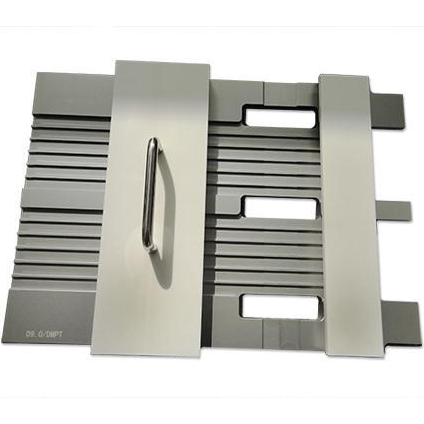
Enhanced durability engineered into premium tooling for capsule filler components delivers substantial long-term value through extended service life, reduced maintenance demands, and consistent performance that maintains production quality across millions of operational cycles. The material science behind durable tooling for capsule filler systems incorporates advanced alloys, surface treatments, and coating technologies specifically selected to withstand the abrasive and corrosive conditions encountered during pharmaceutical manufacturing operations. Hardened stainless steel grades used in critical tooling for capsule filler components resist wear from continuous contact with abrasive powder formulations, maintaining dimensional accuracy far longer than standard materials that might degrade rapidly under similar conditions. Specialized surface treatments applied to tooling for capsule filler parts, including nitriding, ceramic coating, and electropolishing, create extremely hard, low-friction surfaces that minimize particle adhesion while resisting scratches and corrosion from cleaning chemicals. The durability advantages of quality tooling for capsule filler systems translate directly into reduced maintenance costs, as extended replacement intervals decrease spare parts expenses, minimize maintenance labor requirements, and reduce production interruptions associated with part failures. Manufacturers operating facilities with multiple production lines particularly benefit from standardized, durable tooling for capsule filler equipment that enables consolidated spare parts inventories and interchangeable components across machines. The consistent performance maintained by durable tooling for capsule filler assemblies throughout their service life eliminates gradual quality degradation that might otherwise require frequent process adjustments or increasing quality control sampling. Fatigue resistance built into precision-manufactured tooling for capsule filler components prevents catastrophic failures that could damage machines or contaminate product batches, protecting both equipment investments and production schedules. The economic analysis of durable tooling for capsule filler systems reveals favorable total cost of ownership compared to less expensive alternatives that require frequent replacement, with premium components often delivering lower per-capsule costs when evaluated across typical multi-year service intervals. Maintenance planning becomes more predictable with reliable tooling for capsule filler parts that exhibit gradual, measurable wear patterns rather than sudden failures, enabling scheduled replacements during planned downtime rather than emergency repairs disrupting production schedules. Quality assurance teams appreciate the consistency provided by durable tooling for capsule filler systems, as stable performance characteristics simplify process validation activities and reduce the frequency of requalification requirements that might otherwise follow component replacements. Environmental considerations favor durable tooling for capsule filler components as well, with extended service life reducing manufacturing waste, disposal requirements, and the carbon footprint associated with frequent part replacement cycles. The confidence manufacturers gain from investing in proven, durable tooling for capsule filler technology supports long-term strategic planning, equipment standardization initiatives, and technology transfer activities between production sites operating similar equipment platforms.

 EN
EN