Hammer Mill Price Guide: Features, Benefits, and Best Value for Your Operation

Get a Free Quote

Our representative will contact you soon.
Email
Name
Company Name
Message
0/1000

hammer mill price

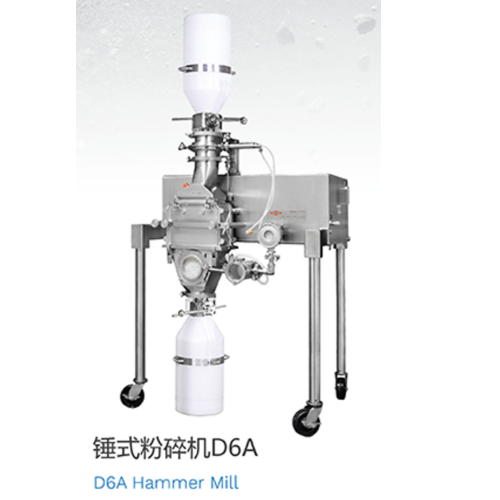
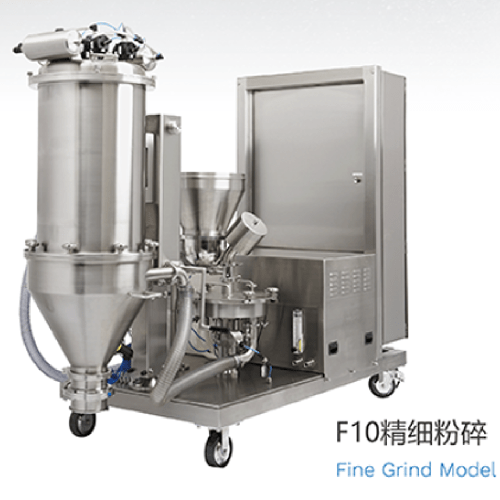
A hammer mill is one of the most versatile and widely used size-reduction machines in industrial processing. When evaluating equipment for your operation, understanding the hammer mill price in relation to its capabilities is essential for making a sound investment. The hammer mill price reflects not only the physical construction of the machine but also the engineering precision, material quality, and long-term performance built into every unit. At its core, a hammer mill works by using rapidly rotating hammers to strike, shatter, and grind raw materials into smaller, more uniform particles. This mechanism makes it suitable for processing a broad range of materials, including grains, biomass, minerals, wood chips, agricultural residues, and industrial waste. The rotating hammers deliver high-impact force, breaking down even tough materials efficiently and consistently. From a technological standpoint, modern hammer mills incorporate several advanced features that justify their hammer mill price. These include variable rotor speeds that allow operators to control particle size output, interchangeable screens with different perforation sizes for precise granulation, and heavy-duty steel construction that ensures durability under continuous operation. Many units also feature reversible hammers, which extend the service life of wear parts and reduce maintenance costs over time. The applications of hammer mills span multiple industries. In agriculture, they are used to grind feed grains for livestock. In the bioenergy sector, they process wood pellets and biomass feedstocks. In the mining and chemical industries, they reduce ore and compound materials to workable sizes. Food processing plants use them to mill spices, sugar, and dried ingredients. The hammer mill price varies depending on capacity, motor power, screen configuration, and build quality. Entry-level models serve small farms and workshops, while industrial-grade units handle high-volume continuous production. Understanding what drives the hammer mill price helps buyers select the right machine for their specific throughput requirements and budget constraints, ensuring maximum return on investment.


New Product Releases

Choosing the right size-reduction equipment is a critical decision for any production operation, and the hammer mill price offers a compelling value proposition when you look at what you actually get for your money. Here are the practical benefits that make hammer mills a smart purchase across industries. First, hammer mills deliver consistent particle size output. Whether you are grinding grain for animal feed or processing biomass for fuel pellets, the machine produces uniform results batch after batch. This consistency reduces waste, improves product quality, and keeps your downstream processes running smoothly. You do not need to constantly adjust settings or re-process material, which saves both time and labor costs. Second, the hammer mill price is competitive when you factor in the machine's long service life. Built from heavy-duty steel with replaceable wear parts, a well-maintained hammer mill can operate for years without requiring major overhauls. The hammers themselves are reversible, meaning you can flip them to use the unworn side before replacing them entirely. This design choice directly reduces your ongoing maintenance budget. Third, hammer mills are easy to operate. The controls are straightforward, and most operators can learn to run the machine with minimal training. Changing screens to adjust output particle size takes only a few minutes, giving you flexibility without downtime. This ease of use translates into lower labor costs and faster production cycles. Fourth, the energy efficiency of modern hammer mills makes the hammer mill price even more attractive over the long term. Newer models are engineered to deliver maximum grinding force per kilowatt of power consumed. This means your electricity bills stay manageable even during high-volume production runs. Fifth, hammer mills handle a wide variety of materials. From soft agricultural products to harder mineral compounds, the same machine can process different inputs simply by swapping screens or adjusting rotor speed. This versatility means you are not locked into a single application, and the hammer mill price effectively covers multiple processing needs within one piece of equipment. Sixth, spare parts for hammer mills are widely available and affordable. Because the design is standardized across many manufacturers, sourcing replacement hammers, screens, and bearings is straightforward. You are never stuck waiting weeks for a proprietary component, which keeps your operation running without costly interruptions. Seventh, the compact footprint of most hammer mills makes them easy to integrate into existing production lines. Whether you are setting up a new facility or upgrading an older one, the machine fits without requiring major structural changes. When you weigh all these practical advantages together, the hammer mill price represents a cost-effective, reliable, and flexible solution for any operation that needs consistent, high-quality size reduction at scale.

Latest News

How does a mini tablet press machine improve production?

25

May

How does a mini tablet press machine improve production?

In pharmaceutical manufacturing, nutraceutical production, and even chemical processing, the ability to compress powders into uniform, consistent tablets at scale is a foundational requirement. A mini tablet press machine has emerged as a transformat...
View More
How do packaging machine components work together?

25

May

How do packaging machine components work together?

Understanding how packaging machine components interact is fundamental to running efficient, reliable production lines. Every element within a packaging system—from the feeding mechanism to the sealing unit—is engineered to perform a prec...
View More
What is Press Tooling and How Does It Work in Manufacturing?

25

May

What is Press Tooling and How Does It Work in Manufacturing?

In modern manufacturing, precision, repeatability, and efficiency are not optional — they are the foundation of competitive production. Press Tooling sits at the heart of this foundation, enabling manufacturers across industries to form, cut, s...
View More
How Does Blister Packing Tooling Improve Production Speed?

25

May

How Does Blister Packing Tooling Improve Production Speed?

In high-volume pharmaceutical and consumer goods manufacturing, every second on the production line carries real cost. When facilities look for ways to accelerate output without compromising quality, the conversation almost always returns to the same...
View More

Get a Free Quote

Our representative will contact you soon.
Email
Name
Company Name
Message
0/1000

hammer mill price

Transparent Hammer Mill Price Structure That Matches Real Production Value

Transparent Hammer Mill Price Structure That Matches Real Production Value

One of the most important factors buyers consider when sourcing industrial equipment is whether the price they pay reflects genuine value. With hammer mills, the hammer mill price is directly tied to the engineering quality, material specifications, and production capacity of the unit. Understanding this relationship helps buyers avoid overpaying for features they do not need or, conversely, underspending on a machine that cannot handle their workload. Entry-level hammer mills are priced for small-scale operations such as family farms, small feed mills, and artisan food producers. These units typically feature single-phase motors, smaller rotor diameters, and limited screen options. Despite their lower hammer mill price, they are fully capable of handling moderate daily throughput and deliver reliable performance for years when properly maintained. Mid-range hammer mills occupy the sweet spot for most commercial operations. They offer larger motor capacities, wider rotor spans, multiple screen configurations, and more robust frame construction. The hammer mill price at this tier reflects the added durability and flexibility, making them suitable for continuous operation in feed mills, biomass processing plants, and small industrial facilities. Industrial-grade hammer mills represent the top end of the hammer mill price spectrum. These machines are engineered for 24-hour continuous operation, feature heavy-duty bearings, reinforced rotor assemblies, and advanced dust control systems. They are designed for large feed manufacturers, mining operations, and chemical processing plants where downtime is not an option. What makes the hammer mill price structure particularly valuable is its scalability. Buyers can start with a mid-range unit and upgrade components as their production demands grow, rather than replacing the entire machine. Many manufacturers offer modular designs where screens, hammers, and even motor assemblies can be swapped out. This approach protects your initial investment and allows the hammer mill price you pay today to continue delivering value as your business expands. Ultimately, a transparent and well-structured hammer mill price gives buyers the confidence to make informed purchasing decisions aligned with their operational goals and financial planning.
Advanced Technology Behind the Hammer Mill Price Drives Superior Grinding Performance

Advanced Technology Behind the Hammer Mill Price Drives Superior Grinding Performance

The hammer mill price you invest in is backed by decades of mechanical engineering refinement. Modern hammer mills are not simply rotating hammers inside a steel box. They are precision-engineered systems where every component, from the rotor geometry to the screen perforation pattern, is designed to maximize grinding efficiency while minimizing energy consumption and wear. The rotor is the heart of the hammer mill. It spins at high velocity, and the hammers attached to it deliver repeated high-impact blows to incoming material. The design of the rotor, including its diameter, width, and hammer arrangement, directly influences the machine's throughput capacity and particle size consistency. Engineers optimize these parameters based on the target material and desired output, which is why the hammer mill price varies between models designed for different applications. Screen technology is another area where engineering investment shows up in the hammer mill price. Screens with precisely punched or laser-cut perforations control the maximum particle size that exits the grinding chamber. Operators can swap screens in minutes to shift between coarse and fine grinding without any specialized tools. This flexibility is a direct result of thoughtful design and adds significant practical value to the machine. Bearing systems in high-quality hammer mills are engineered for longevity under heavy radial and axial loads. Sealed, self-aligning bearings reduce maintenance requirements and protect the rotor shaft from premature wear. The quality of these components is a key factor in the hammer mill price, as inferior bearings are one of the most common causes of unexpected downtime in lower-cost machines. Dust and noise management features are increasingly standard in modern hammer mills. Integrated dust collection ports, sealed grinding chambers, and acoustic dampening panels make the machine safer and more compliant with workplace regulations. These features add to the hammer mill price but deliver real value by protecting workers and reducing the cost of regulatory compliance. When you evaluate the hammer mill price against the technology embedded in the machine, the investment becomes clearly justified by the performance, reliability, and operational efficiency it delivers every day.
Hammer Mill Price Delivers Long-Term ROI Across Diverse Industrial Applications

Hammer Mill Price Delivers Long-Term ROI Across Diverse Industrial Applications

The true measure of any capital equipment purchase is not the upfront cost but the return on investment it generates over its operational lifetime. The hammer mill price, when evaluated through this lens, consistently proves to be one of the most cost-effective investments available in the size-reduction equipment market. In the agricultural sector, hammer mills are used daily to grind corn, wheat, sorghum, and other grains into animal feed. A single machine can process several tons of grain per hour, dramatically reducing the cost of purchased feed and giving farm operators direct control over feed quality and formulation. The hammer mill price pays for itself within months when measured against the savings on commercial feed purchases. In the biomass and renewable energy sector, hammer mills play a critical role in preparing raw wood chips, straw, and agricultural residues for pelletizing. The quality of the hammer mill directly affects pellet density and durability, which in turn affects the market value of the finished product. Investing in a hammer mill with a higher price point but superior grinding consistency can meaningfully increase revenue per ton of pellets produced. In the recycling industry, hammer mills are used to shred and reduce the volume of paper, cardboard, plastic, and light metal scrap. The hammer mill price in this context is offset by the increased value of processed recyclables and the reduced cost of waste disposal. Faster throughput and lower energy consumption per ton processed are the key metrics that drive ROI in this application. In the chemical and pharmaceutical industries, hammer mills provide precise particle size reduction for powders, granules, and dried compounds. The ability to achieve tight particle size distributions without contamination is critical in these sectors, and the hammer mill price reflects the additional engineering required to meet these standards. Across all these applications, the hammer mill price is not simply a cost. It is an investment in production capacity, product quality, operational efficiency, and long-term profitability. Buyers who evaluate the hammer mill price in terms of total cost of ownership rather than purchase price alone consistently find that the right machine delivers exceptional value over its full service life.

Get a Free Quote

Our representative will contact you soon.
Email
Name
Company Name
Message
0/1000