Grain Milling Machine for Pharma - Precision Pharmaceutical Grinding Equipment

Get a Free Quote

Our representative will contact you soon.
Email
Name
Company Name
Message
0/1000

grain milling machine for pharma

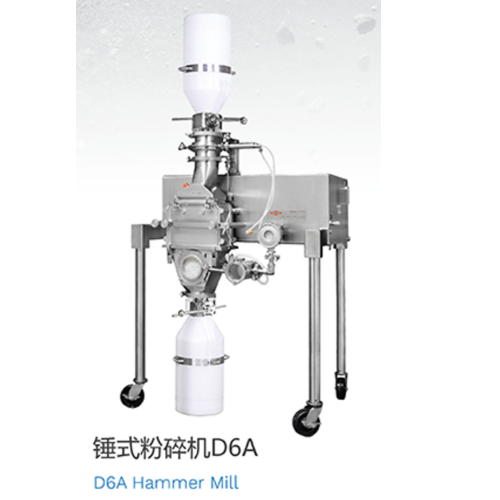
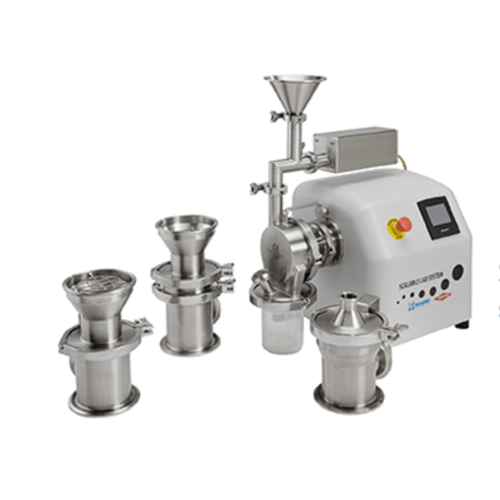
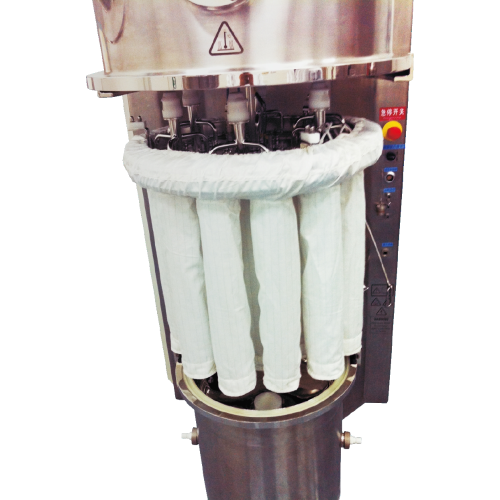
The grain milling machine for pharma represents a specialized piece of equipment designed specifically for pharmaceutical manufacturing environments where precision particle size reduction is essential. This advanced machinery transforms raw grain materials into fine powders suitable for medicinal formulations, dietary supplements, and pharmaceutical excipients. The grain milling machine for pharma operates through sophisticated mechanical processes that ensure consistent particle distribution while maintaining the integrity of active ingredients. Modern pharmaceutical grain milling machines incorporate stainless steel construction to meet stringent hygiene standards and prevent contamination during processing. These machines feature adjustable grinding mechanisms that allow operators to control particle size output according to specific formulation requirements. The technological architecture of the grain milling machine for pharma includes precision-engineered grinding chambers, advanced cooling systems to prevent heat-sensitive compound degradation, and dust collection systems that maintain clean production environments. Multiple grinding methods such as impact milling, hammer milling, and pin milling can be employed depending on the material characteristics and desired outcomes. The equipment typically includes automated control panels that enable operators to monitor processing parameters including rotation speed, feed rate, and temperature in real-time. Safety features are integrated throughout the design, with emergency stop mechanisms, overload protection, and secure access panels that comply with pharmaceutical manufacturing regulations. The grain milling machine for pharma accommodates various grain types including wheat, rice, corn, and specialty grains used in nutraceutical applications. Capacity ranges vary from small-scale laboratory models processing kilograms per hour to industrial systems handling tons of material daily. The versatility of these machines extends to processing dried herbs, seeds, and other botanical materials commonly used in pharmaceutical and supplement production, making them indispensable assets in modern pharmaceutical manufacturing facilities where quality, consistency, and regulatory compliance are paramount considerations.


New Products

Investing in a grain milling machine for pharma delivers substantial operational benefits that directly impact production efficiency and product quality. First and foremost, these machines dramatically reduce processing time compared to manual grinding methods, allowing pharmaceutical manufacturers to increase throughput without compromising quality standards. The precision engineering ensures uniform particle size distribution, which is critical for consistent drug delivery and bioavailability in finished pharmaceutical products. When active ingredients are ground to exact specifications, patients receive reliable dosing in every tablet or capsule, enhancing therapeutic outcomes and brand reputation. The grain milling machine for pharma minimizes material waste through efficient processing that maximizes yield from expensive raw materials, directly improving profit margins. Energy efficiency represents another significant advantage, as modern designs consume less power while delivering superior grinding performance compared to outdated equipment. The closed-system design prevents cross-contamination between batches, protecting product purity and eliminating costly recalls that damage company credibility. Easy disassembly and cleaning procedures reduce downtime between production runs, keeping manufacturing schedules on track and meeting market demands promptly. Operators appreciate the user-friendly interfaces that require minimal training, reducing labor costs and preventing operational errors that could compromise batch quality. The robust construction ensures years of reliable service with minimal maintenance requirements, providing excellent return on investment over the equipment lifespan. Temperature control features protect heat-sensitive compounds from degradation, preserving the efficacy of vitamins, probiotics, and other temperature-vulnerable ingredients commonly used in pharmaceutical formulations. The grain milling machine for pharma helps manufacturers meet regulatory requirements by providing documented processing parameters that support quality assurance protocols and regulatory submissions. Scalability options allow businesses to start with smaller capacity units and upgrade as production demands grow, protecting initial capital investments while supporting business expansion. Noise reduction technology creates safer, more comfortable working environments for employees, improving workplace satisfaction and productivity. The versatility to process multiple grain types and botanical materials eliminates the need for multiple specialized machines, saving valuable floor space in production facilities. Automated features reduce manual handling, decreasing repetition-related injuries and associated workers' compensation costs. Consistent processing quality reduces batch-to-batch variation, simplifying formulation development and quality control testing procedures that consume valuable laboratory resources.

Tips And Tricks

What are cardboard packing boxes and how do they work?

25

May

What are cardboard packing boxes and how do they work?

When businesses and individuals need a reliable, cost-effective, and versatile solution for protecting goods during storage or transit, cardboard packing boxes consistently emerge as the go-to choice. These containers are constructed from layers of p...
View More
What is a mini tablet press machine and how does it work?

25

May

What is a mini tablet press machine and how does it work?

A mini tablet press machine is a compact, precision-driven piece of equipment designed to compress powdered or granulated materials into uniform tablet forms. Whether used in pharmaceutical research, nutraceutical development, or small-scale chemical...
View More
How Does Press Tooling Design Impact Production Efficiency?

25

May

How Does Press Tooling Design Impact Production Efficiency?

In high-volume manufacturing environments, the design of Press Tooling is one of the most consequential engineering decisions a production team can make. From cycle time to scrap rate, from die longevity to operator safety, the geometry, material sel...
View More
How Does Press Tooling Quality Affect Final Product Results?

25

May

How Does Press Tooling Quality Affect Final Product Results?

In precision manufacturing, the quality of Press Tooling is one of the most consequential variables in determining whether a final product meets its dimensional, structural, and aesthetic specifications. Every stamped, formed, or punched component th...
View More

Get a Free Quote

Our representative will contact you soon.
Email
Name
Company Name
Message
0/1000

grain milling machine for pharma

Advanced Particle Size Control Technology

Advanced Particle Size Control Technology

The grain milling machine for pharma incorporates cutting-edge particle size control technology that sets it apart from conventional grinding equipment. This sophisticated system allows pharmaceutical manufacturers to achieve precise particle distributions ranging from coarse granules to ultra-fine powders with micron-level accuracy. The technology employs adjustable grinding elements that can be calibrated to specific size requirements, ensuring that every batch meets exact formulation specifications. Unlike traditional milling methods that produce inconsistent results, this advanced system utilizes variable speed controls and interchangeable screens that give operators complete command over the final particle characteristics. The importance of precise particle size control cannot be overstated in pharmaceutical applications where bioavailability, dissolution rates, and therapeutic effectiveness depend heavily on particle dimensions. Smaller particles generally offer increased surface area, promoting faster dissolution in the digestive system and more rapid onset of therapeutic action. Conversely, certain formulations require larger particles for sustained release profiles that extend drug activity over time. The grain milling machine for pharma accommodates both requirements through its flexible configuration options. The technology includes integrated particle size analysis capabilities that provide real-time feedback during processing, enabling immediate adjustments before entire batches are completed. This proactive approach prevents costly rework and material losses that erode profitability. The precision grinding mechanism operates with minimal vibration, reducing noise levels and preventing heat buildup that could compromise sensitive ingredients. Temperature sensors continuously monitor grinding chamber conditions, automatically adjusting processing parameters to maintain optimal temperatures for heat-sensitive compounds. This intelligent system protects valuable active pharmaceutical ingredients from thermal degradation, preserving potency and extending product shelf life. The particle size control technology also ensures consistent flow properties in finished powders, facilitating downstream processes such as blending, tableting, and encapsulation. Predictable flow characteristics reduce production complications and improve overall manufacturing efficiency. Pharmaceutical companies benefit from reduced validation requirements since the consistent performance of the grain milling machine for pharma simplifies process qualification protocols. The advanced technology supports compliance with current Good Manufacturing Practices by providing documented evidence of processing control, which regulatory agencies require for pharmaceutical product approvals.
Contamination Prevention and Hygienic Design

Contamination Prevention and Hygienic Design

The grain milling machine for pharma features exceptional contamination prevention measures and hygienic design principles that address the pharmaceutical industry's most stringent cleanliness requirements. Constructed entirely from high-grade stainless steel, the equipment resists corrosion, prevents material buildup, and facilitates thorough cleaning between production batches. The sanitary design eliminates crevices, dead spaces, and hard-to-reach areas where residues might accumulate and harbor microbiological growth. Every surface that contacts product materials features smooth, polished finishes that prevent particle adhesion and enable complete removal during cleaning procedures. The grain milling machine for pharma incorporates quick-disconnect components that allow operators to disassemble grinding chambers and other product contact areas without specialized tools, dramatically reducing cleaning time and improving turnaround between different products. This modular design approach prevents cross-contamination between batches, which is particularly critical when processing allergens or potent active pharmaceutical ingredients that could compromise patient safety if residues transferred to subsequent batches. Sealed bearing assemblies prevent lubricants from migrating into product pathways, eliminating potential contamination sources that could adulterate finished pharmaceuticals. The equipment includes integrated dust collection systems that capture airborne particles during processing, protecting both product purity and operator health while maintaining clean production environments. These collection systems utilize high-efficiency particulate air filters that trap microscopic particles, preventing their escape into surrounding areas. The hygienic design extends to electrical and control components, which are housed in sealed enclosures that prevent dust and moisture ingress while remaining accessible for maintenance. All fasteners and connections use sanitary fittings that meet pharmaceutical industry standards, ensuring that every component contributes to the overall contamination prevention strategy. The grain milling machine for pharma supports clean-in-place protocols that automate cleaning procedures, reducing manual labor while ensuring consistent sanitization results. Validation of cleaning procedures is simplified through the equipment's smooth surfaces and absence of product entrapment areas. Documentation capabilities include automated logging of cleaning cycles, providing the traceability required for regulatory compliance. The contamination prevention design protects brand reputation by minimizing risks of product recalls, which can cost millions in direct expenses and cause immeasurable damage to consumer trust. Companies investing in properly designed grain milling machines for pharma demonstrate commitment to quality that resonates with regulatory agencies, healthcare providers, and patients who depend on safe, effective medications.
Operational Flexibility and Production Scalability

Operational Flexibility and Production Scalability

The grain milling machine for pharma delivers remarkable operational flexibility and production scalability that accommodate diverse manufacturing requirements from research and development through commercial-scale production. This adaptability proves invaluable for pharmaceutical companies navigating product development cycles, market fluctuations, and portfolio diversification strategies. The equipment handles an extensive range of grain types, each with unique physical properties requiring different processing approaches. Hard grains like rice demand robust grinding mechanisms, while softer materials like oat require gentler processing to achieve desired particle characteristics without excessive degradation. The grain milling machine for pharma adjusts seamlessly between these extremes through interchangeable grinding elements and programmable processing parameters. Operators can save multiple recipes in the control system, enabling rapid changeovers between products without time-consuming manual adjustments. This recipe management capability streamlines production scheduling and reduces opportunities for processing errors that could compromise batch quality. The scalability aspect addresses both start-up pharmaceutical companies with limited initial production volumes and established manufacturers experiencing growth. Smaller capacity models provide cost-effective entry points for companies developing new products or serving niche markets, while larger industrial systems deliver the throughput necessary for mass-market pharmaceuticals and supplements. The grain milling machine for pharma maintains consistent performance characteristics across different capacity ranges, ensuring that process development work conducted on laboratory-scale equipment translates directly to commercial production without unexpected complications. This scalability reduces the time and expense associated with process validation when transitioning from development to manufacturing. Modular design philosophies allow companies to expand processing capacity by adding parallel milling lines rather than replacing existing equipment, protecting capital investments while supporting business growth. The operational flexibility extends to integration with upstream and downstream processes, as the grain milling machine for pharma accepts materials from various feeding systems and discharges processed powders to diverse collection and packaging equipment. Standard interfaces and communication protocols facilitate integration into automated production lines where multiple process steps occur sequentially with minimal manual intervention. This automation capability reduces labor costs while improving consistency and traceability throughout manufacturing operations. The equipment accommodates batch processing for smaller production runs and continuous processing for high-volume manufacturing, providing the versatility required in dynamic pharmaceutical markets where product demands fluctuate seasonally or in response to public health situations. Maintenance procedures are designed for minimal disruption, with routine servicing completed during scheduled downtime rather than forcing unplanned production interruptions.

Get a Free Quote

Our representative will contact you soon.
Email
Name
Company Name
Message
0/1000