Precision Tooling for Granulation Machine | High-Performance Granulation Solutions

Get a Free Quote

Our representative will contact you soon.
Email
Name
Company Name
Message
0/1000

tooling for granulation machine

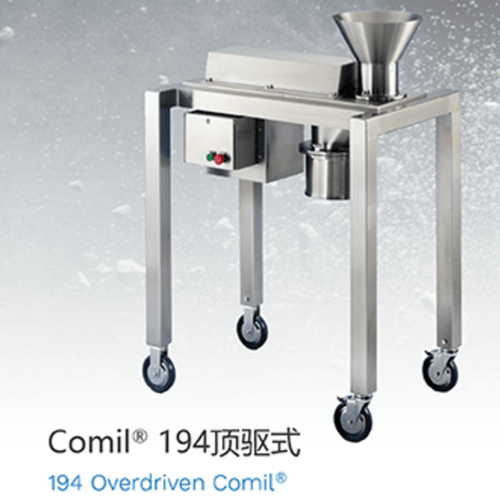
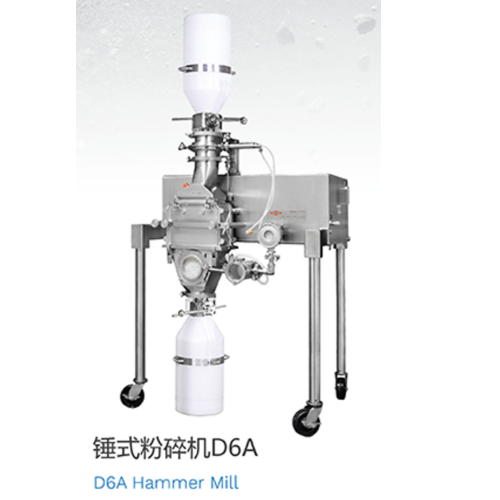
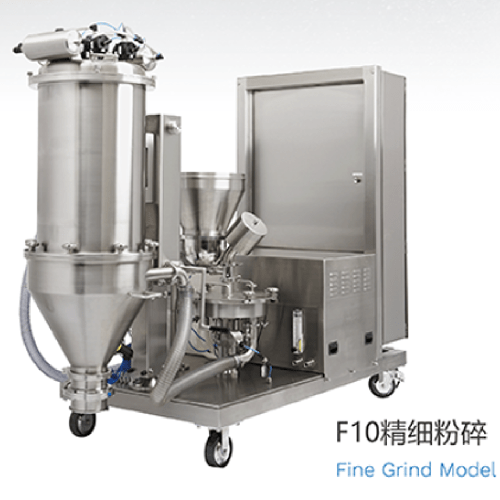
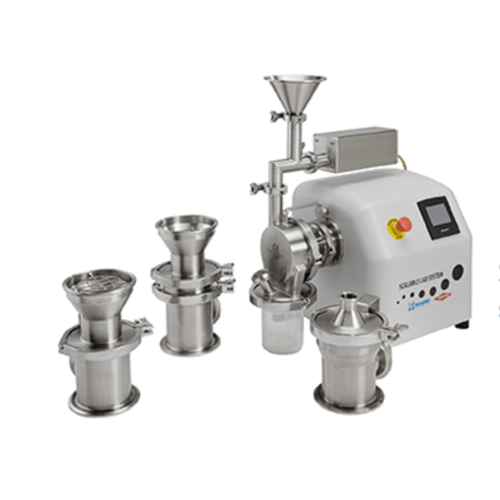
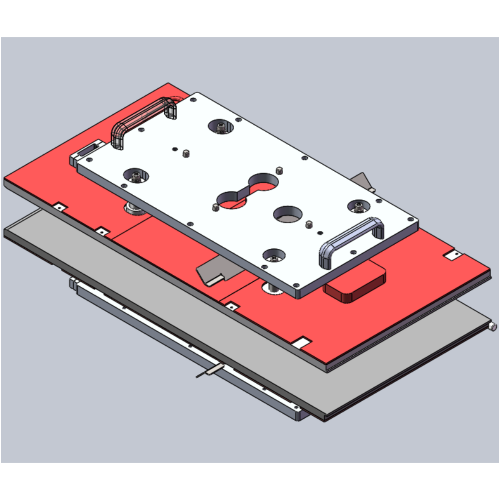
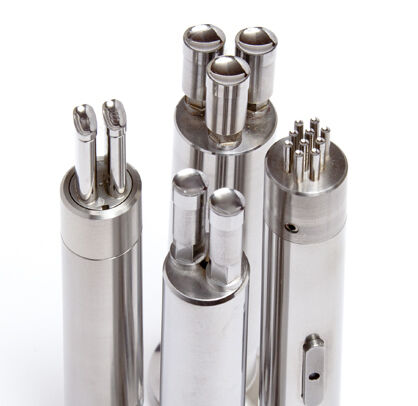
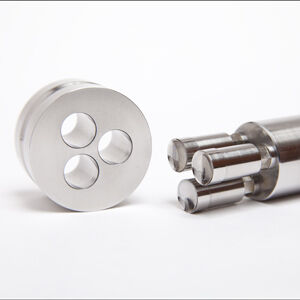
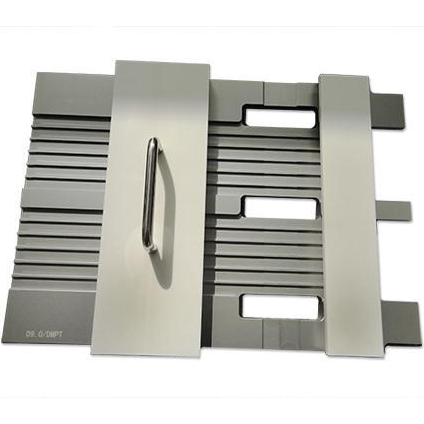
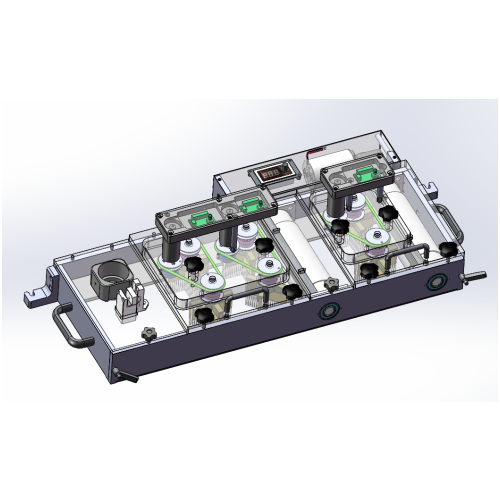
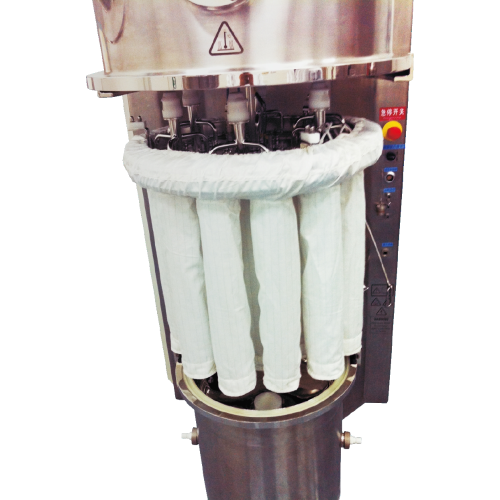
Tooling for granulation machine represents a critical component in modern manufacturing processes, serving as the mechanical heart that transforms raw powder materials into uniform, compressible granules. These precision-engineered tools are designed to work in harmony with granulation equipment across pharmaceutical, chemical, food processing, and agricultural industries, delivering consistent output quality that meets the strictest production standards. At its core, tooling for granulation machine includes a range of components such as dies, punches, rollers, screens, and cutting blades, each manufactured to exacting tolerances that ensure repeatable performance across thousands of production cycles. The main function of this tooling is to apply controlled mechanical force to raw materials, binding particles together through pressure, moisture, or heat to form granules of a defined size, shape, and density. This process is fundamental to improving material flowability, reducing dust generation, enhancing dosage accuracy, and increasing the shelf life of finished products. From a technological standpoint, modern tooling for granulation machine incorporates advanced metallurgical engineering, utilizing high-grade tool steels, carbide alloys, and specialized surface coatings such as titanium nitride or chrome plating to extend service life and resist wear under continuous operational stress. Computer-aided design and precision CNC machining ensure that every component meets dimensional accuracy requirements down to the micron level, which directly translates to product uniformity on the production floor. The applications of tooling for granulation machine span a wide spectrum of industries. In pharmaceuticals, it enables the production of tablets and capsules with precise active ingredient distribution. In the food industry, it supports the creation of uniform pellets and granulated seasonings. In agriculture, it facilitates the manufacture of fertilizer granules and pesticide carriers. In chemicals, it aids in producing detergent powders and specialty compounds. The versatility and reliability of high-quality tooling for granulation machine make it an indispensable investment for any manufacturer seeking to optimize output, reduce waste, and maintain competitive product quality in demanding markets.


New Product Releases

Choosing the right tooling for granulation machine gives your production line a real, measurable edge. Here is a straightforward look at the practical benefits that matter most to manufacturers and procurement teams making decisions today. First, precision tooling dramatically improves product consistency. When your dies, punches, and rollers are machined to tight tolerances, every granule that comes off the line meets the same size and density specification. This means fewer rejected batches, less rework, and a more predictable yield from every production run. For businesses operating under regulatory oversight, such as pharmaceutical or food manufacturers, this consistency is not just a quality goal, it is a compliance requirement that directly protects your license to operate. Second, high-quality tooling for granulation machine extends equipment lifespan. Inferior components wear out faster, create uneven stress on your granulation equipment, and lead to costly unplanned downtime. Precision-engineered tooling made from hardened steel or carbide alloys distributes mechanical loads evenly, reducing wear on both the tooling itself and the surrounding machine components. This translates directly into lower maintenance costs and longer intervals between service stops, keeping your production schedule on track. Third, the right tooling reduces material waste. When granulation tools are properly matched to your material and process parameters, you get higher conversion rates from raw input to finished granule. Less fines, fewer oversized particles, and a tighter particle size distribution all mean that more of your raw material ends up as sellable product rather than scrap or rework. Over time, this efficiency gain adds up to significant cost savings, especially when working with expensive active pharmaceutical ingredients or specialty chemicals. Fourth, modern tooling for granulation machine supports faster changeovers. Quick-release designs, standardized dimensions, and modular configurations allow your team to switch between product runs in less time, reducing downtime between batches and increasing overall equipment effectiveness. This flexibility is especially valuable for contract manufacturers who run multiple product lines on the same equipment. Fifth, investing in quality tooling for granulation machine improves worker safety. Well-maintained, properly fitted tooling reduces the risk of mechanical failures, unexpected ejections, and equipment jams that can create hazardous conditions on the production floor. Smooth, reliable operation keeps your team safer and reduces the administrative burden of incident reporting and investigation. Sixth, premium tooling supports cleaner production. Smooth surface finishes on granulation tooling minimize product adhesion and cross-contamination between batches, which is critical in multi-product facilities. Easier cleaning also means faster turnaround and lower cleaning validation costs in regulated environments. Taken together, these advantages make a compelling case for prioritizing tooling quality in your granulation process. The upfront investment in precision tooling for granulation machine pays back through better yields, lower operating costs, improved compliance, and a more reliable production operation overall.

Tips And Tricks

What are cardboard packing boxes and how do they work?

25

May

What are cardboard packing boxes and how do they work?

When businesses and individuals need a reliable, cost-effective, and versatile solution for protecting goods during storage or transit, cardboard packing boxes consistently emerge as the go-to choice. These containers are constructed from layers of p...
View More
How does a mini tablet press machine improve production?

25

May

How does a mini tablet press machine improve production?

In pharmaceutical manufacturing, nutraceutical production, and even chemical processing, the ability to compress powders into uniform, consistent tablets at scale is a foundational requirement. A mini tablet press machine has emerged as a transformat...
View More
How Does Press Tooling Quality Affect Final Product Results?

25

May

How Does Press Tooling Quality Affect Final Product Results?

In precision manufacturing, the quality of Press Tooling is one of the most consequential variables in determining whether a final product meets its dimensional, structural, and aesthetic specifications. Every stamped, formed, or punched component th...
View More
What is Blister Packing Tooling and How Does It Work?

25

May

What is Blister Packing Tooling and How Does It Work?

In pharmaceutical and consumer goods manufacturing, precision packaging is not just about aesthetics — it is a fundamental requirement for product safety, shelf life, and regulatory compliance. Blister Packing Tooling sits at the heart of this ...
View More

Get a Free Quote

Our representative will contact you soon.
Email
Name
Company Name
Message
0/1000

tooling for granulation machine

Precision Engineering for Consistent Granule Quality

Precision Engineering for Consistent Granule Quality

One of the most significant advantages of investing in high-performance tooling for granulation machine is the level of dimensional precision that modern manufacturing techniques can achieve. Every component, whether it is a compression roller, a perforated screen, or a cutting blade, is produced using CNC machining centers capable of holding tolerances within a few microns. This level of accuracy is not simply a technical achievement for its own sake. It has direct, tangible consequences for the quality of every granule your process produces. When tooling dimensions are consistent and accurate, the mechanical forces applied to your raw materials during granulation are distributed evenly and predictably. This means that particle size distribution in your finished granules stays tight, batch after batch. For pharmaceutical manufacturers, this directly supports content uniformity in tablets and capsules, which is a core requirement of regulatory submissions and quality audits. For food processors, it means uniform texture and appearance in granulated products that consumers and retail buyers expect. For chemical producers, it ensures that bulk density and flowability specifications are met reliably, which matters enormously for downstream packaging and handling operations. The materials used in precision tooling for granulation machine also play a central role in maintaining this consistency over time. High-grade tool steels with carefully controlled hardness profiles resist deformation under repeated mechanical loading. Carbide-tipped components handle abrasive materials without losing their edge geometry. Specialized surface treatments such as physical vapor deposition coatings reduce friction and adhesion, keeping granule release clean and preventing buildup that would otherwise alter the effective geometry of the tooling surface. Regular inspection and calibration protocols, combined with tooling designed for easy measurement and verification, allow quality teams to catch dimensional drift before it affects product quality. This proactive approach to tooling management is what separates high-performing granulation operations from those that struggle with batch-to-batch variability. In short, precision-engineered tooling for granulation machine is the foundation on which consistent, compliant, and competitive granule production is built.
Extended Service Life Through Advanced Material Selection

Extended Service Life Through Advanced Material Selection

Durability is one of the most practical concerns for any production manager evaluating tooling for granulation machine. Tooling that wears out quickly drives up operating costs through frequent replacement purchases, unplanned maintenance stops, and the labor time required to swap components and re-qualify the process after each change. High-quality tooling addresses this challenge directly through careful selection of base materials and surface treatments engineered specifically for the demands of granulation processes. The granulation environment is mechanically demanding. Tooling components are subjected to repeated compressive and shear forces, often at high cycle rates, while simultaneously being exposed to moisture, heat, and chemically active materials. Standard engineering steels simply do not hold up under these conditions for long. Premium tooling for granulation machine uses grades such as D2 tool steel, M2 high-speed steel, or tungsten carbide composites, each selected based on the specific wear mechanisms present in a given application. For highly abrasive materials like mineral-based fertilizers or certain chemical compounds, carbide tooling can outlast standard steel by a factor of five or more, delivering a dramatically lower cost per production cycle even when the initial purchase price is higher. Surface engineering adds another layer of protection. Coatings applied through processes such as physical vapor deposition or chemical vapor deposition create a hard, low-friction surface layer that resists both abrasive wear and adhesive buildup. This keeps the tooling geometry stable for longer and makes cleaning faster and more effective between production runs. Heat treatment processes, including vacuum hardening and cryogenic treatment, optimize the microstructure of the steel throughout the entire cross-section of the tool, not just at the surface, ensuring that the tooling maintains its mechanical properties even as surface layers gradually wear. For manufacturers running high-volume production, the economics of durable tooling for granulation machine are straightforward. Fewer replacements mean lower direct material costs. Longer service intervals mean less downtime and more productive hours per shift. Stable tooling geometry means fewer quality deviations and less scrap. Together, these factors make material selection one of the highest-return decisions in granulation tooling procurement.
Versatile Design Options to Match Every Granulation Process

Versatile Design Options to Match Every Granulation Process

No two granulation processes are identical. Raw material properties, target granule specifications, regulatory requirements, and production volumes all vary widely across industries and even between product lines within the same facility. This is why the best tooling for granulation machine is not a one-size-fits-all solution but rather a carefully configured system of components designed to match the specific demands of each application. Modern tooling suppliers offer an extensive range of design options that allow manufacturers to optimize their granulation process from the ground up. Screen and die configurations can be specified with different hole geometries, including round, square, and star-shaped profiles, to produce granules with specific surface area and flowability characteristics. Hole diameter and pitch are selected based on target particle size distribution and the rheological properties of the material being processed. Roller surface profiles for dry granulation applications can be smooth, knurled, or pocketed, each producing a different ribbon structure that breaks down into granules with distinct density and compressibility profiles. Cutting blade designs and speeds are matched to the granule length and aspect ratio required by the downstream process, whether that is tablet compression, capsule filling, or bulk packaging. For wet granulation applications, impeller and chopper blade geometries are selected to deliver the right combination of shear and mixing energy for the specific binder system and moisture content in use. Beyond geometry, tooling for granulation machine can be configured with features that support operational efficiency. Quick-release mounting systems reduce changeover time significantly. Color-coded or laser-marked components simplify identification and reduce the risk of mix-ups during assembly. Modular designs allow individual worn components to be replaced without discarding the entire tooling set, reducing replacement costs and waste. Custom tooling development services allow manufacturers to work directly with tooling engineers to create solutions for novel materials or unusual process requirements that standard catalog items cannot address. This depth of design flexibility means that tooling for granulation machine can be precisely matched to your process, your materials, and your quality targets, delivering performance that generic solutions simply cannot match.

Get a Free Quote

Our representative will contact you soon.
Email
Name
Company Name
Message
0/1000