Trusted Hammer Mill Supplier: Durable, Efficient, and Custom-Engineered Grinding Solutions

Get a Free Quote

Our representative will contact you soon.
Email
Name
Company Name
Message
0/1000

hammer mill supplier

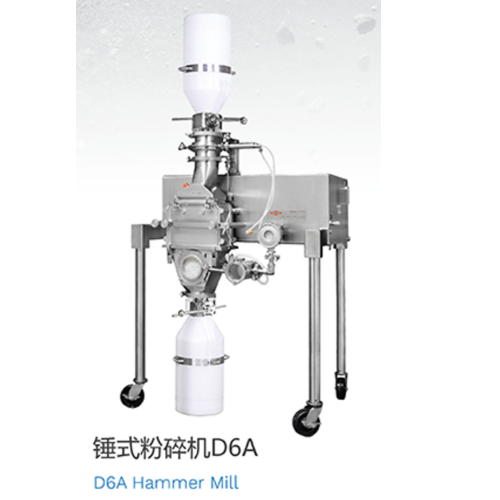
A hammer mill supplier plays a central role in modern material processing industries, providing equipment that transforms raw materials into uniform, manageable particle sizes through high-speed mechanical impact. At its core, a hammer mill uses a series of rotating hammers mounted on a spinning rotor to strike, shatter, and grind materials fed into the machine. The resulting particles pass through a screen or grate, ensuring consistent output size that meets specific production requirements. This fundamental mechanism makes the hammer mill one of the most versatile and widely adopted size-reduction solutions available today. Leading hammer mill suppliers design their equipment to handle an extensive range of materials, including biomass, grain, wood chips, coal, limestone, agricultural residues, and industrial waste. The machines are engineered with robust steel frames, hardened hammer tips, and precision-balanced rotors to withstand continuous heavy-duty operation. Modern suppliers integrate advanced features such as variable rotor speed control, interchangeable screen systems, and automated feed regulation to maximize throughput while minimizing energy consumption. Technological innovation among top hammer mill suppliers has led to the development of reversible hammer configurations, which extend service life by allowing operators to flip worn hammers rather than replace them immediately. Additionally, many suppliers now offer dust containment systems, noise reduction enclosures, and remote monitoring capabilities that align with increasingly strict environmental and workplace safety standards. The applications of hammer mill equipment span numerous sectors. In agriculture, these machines grind feed grains and crop residues into animal feed or compost inputs. In the biomass energy sector, they reduce wood pellets and agricultural waste into fuel-grade particles. In mining and construction, hammer mills crush soft to medium-hard minerals for downstream processing. Food processing facilities rely on them for spice grinding and starch production, while chemical and pharmaceutical plants use specialized models for controlled particle size reduction. Choosing the right hammer mill supplier means gaining access to reliable machinery, responsive technical support, customized engineering solutions, and a long-term partnership that keeps production lines running efficiently and profitably.

New Product Recommendations

Working with a trusted hammer mill supplier gives your operation a clear competitive edge, and the benefits go far beyond simply receiving a piece of equipment. Here is a straightforward look at what a quality hammer mill supplier actually delivers and why it matters to your bottom line. First, a reputable hammer mill supplier provides machines built for durability. The hammers, liners, and screens are manufactured from high-grade wear-resistant alloys, which means your equipment keeps running longer between maintenance intervals. Less downtime translates directly into higher output and lower operating costs. When a machine stays productive instead of sitting idle for repairs, every hour of operation adds value to your business. Second, a skilled hammer mill supplier engineers flexibility into every unit. Whether you process grain, biomass, minerals, or recycled materials, the supplier configures screen sizes, rotor speeds, and hammer arrangements to match your exact material and target particle size. This customization eliminates the guesswork and trial-and-error that comes with off-the-shelf equipment, saving you time and reducing material waste from the very first day of operation. Third, energy efficiency is a major practical advantage that a forward-thinking hammer mill supplier builds into modern designs. Optimized airflow paths, precision-balanced rotors, and variable-frequency drive motors reduce power draw without sacrificing throughput. Lower electricity bills accumulate into significant savings over months and years of continuous production, making the investment in quality equipment pay for itself faster than many operators expect. Fourth, a reliable hammer mill supplier backs every machine with comprehensive after-sales support. This includes readily available spare parts, on-site installation assistance, operator training programs, and responsive technical service teams. When a component wears out or a process parameter needs adjustment, you have direct access to engineers who understand your specific machine configuration. This support structure reduces the risk of prolonged shutdowns and keeps your team confident in daily operations. Fifth, working with an established hammer mill supplier gives you access to continuous product development. Suppliers who invest in research and development regularly introduce improvements such as quick-change screen systems, automated hammer wear monitoring, and integrated dust suppression technology. Your operation benefits from these innovations without having to source solutions from multiple vendors. Sixth, a professional hammer mill supplier understands regulatory compliance and helps you meet environmental and safety standards. Machines are designed with proper guarding, noise attenuation, and emission controls built in, reducing the burden on your safety and compliance teams. Seventh, volume purchasing agreements and long-term supplier relationships often unlock pricing advantages on replacement parts and future equipment upgrades. A hammer mill supplier invested in your success treats the relationship as a partnership, not a one-time transaction, and that ongoing collaboration consistently delivers measurable value across every stage of your production lifecycle.

Tips And Tricks

What is a mini tablet press machine and how does it work?

25

May

What is a mini tablet press machine and how does it work?

A mini tablet press machine is a compact, precision-driven piece of equipment designed to compress powdered or granulated materials into uniform tablet forms. Whether used in pharmaceutical research, nutraceutical development, or small-scale chemical...
View More
How do packaging machine components work together?

25

May

How do packaging machine components work together?

Understanding how packaging machine components interact is fundamental to running efficient, reliable production lines. Every element within a packaging system—from the feeding mechanism to the sealing unit—is engineered to perform a prec...
View More
What is Blister Packing Tooling and How Does It Work?

25

May

What is Blister Packing Tooling and How Does It Work?

In pharmaceutical and consumer goods manufacturing, precision packaging is not just about aesthetics — it is a fundamental requirement for product safety, shelf life, and regulatory compliance. Blister Packing Tooling sits at the heart of this ...
View More
How Does Blister Packing Tooling Improve Production Speed?

25

May

How Does Blister Packing Tooling Improve Production Speed?

In high-volume pharmaceutical and consumer goods manufacturing, every second on the production line carries real cost. When facilities look for ways to accelerate output without compromising quality, the conversation almost always returns to the same...
View More

Get a Free Quote

Our representative will contact you soon.
Email
Name
Company Name
Message
0/1000

hammer mill supplier

Precision Engineering for Maximum Throughput and Consistent Particle Size

Precision Engineering for Maximum Throughput and Consistent Particle Size

One of the most important qualities that separates a leading hammer mill supplier from the competition is the level of precision engineering applied to every machine that leaves the production floor. Consistent particle size is not just a technical specification on a data sheet. It is a direct driver of product quality, downstream process efficiency, and customer satisfaction across every industry that relies on size-reduction equipment. A top-tier hammer mill supplier invests heavily in rotor balancing technology, ensuring that the spinning assembly operates with minimal vibration at all operational speeds. Excessive vibration accelerates bearing wear, loosens fasteners, and creates uneven hammer strike patterns that produce inconsistent particle distributions. By achieving tight dynamic balance tolerances, the supplier extends bearing life, reduces structural fatigue on the machine frame, and delivers a uniform grind that meets tight quality specifications batch after batch. Screen and grate design is another area where precision engineering from a dedicated hammer mill supplier makes a measurable difference. Screens are manufactured to exact hole diameter tolerances, and the open-area ratio is optimized for each specific application. A screen with the correct open area allows properly sized particles to exit the grinding chamber quickly, reducing the energy wasted on over-grinding material that has already reached the target size. This efficiency gain directly lowers the kilowatt-hours consumed per ton of processed material, which is a metric that plant managers and procurement teams watch closely. The hammer geometry itself is a product of careful engineering by an experienced hammer mill supplier. Hammer thickness, tip profile, and mounting hole placement all influence how effectively the hammer transfers kinetic energy to the incoming material. Suppliers who conduct computational fluid dynamics modeling and physical impact testing develop hammer profiles that maximize size reduction per revolution while minimizing heat generation and metal fatigue. The result is a hammer that stays sharp and effective longer, reducing the frequency of changeouts and keeping labor costs under control. Interchangeable component systems further demonstrate the engineering commitment of a quality hammer mill supplier. When screens, hammers, and liners can be swapped quickly without specialized tools, operators spend less time on maintenance and more time running production. Quick-change designs also make it practical to switch between different product specifications on the same machine, giving your facility the flexibility to serve multiple markets or product lines without investing in additional equipment.
Comprehensive Customization Options That Match Your Specific Production Needs

Comprehensive Customization Options That Match Your Specific Production Needs

Every production environment presents a unique combination of material characteristics, throughput targets, space constraints, and regulatory requirements. A hammer mill supplier that offers genuine customization capability understands this reality and builds its business model around delivering solutions rather than selling standard catalog items. The ability to tailor a hammer mill to your specific application is one of the most valuable services a supplier can provide, and it has a direct impact on how quickly your investment generates a return. Material hardness, moisture content, bulk density, and abrasiveness all influence the optimal machine configuration. An experienced hammer mill supplier conducts a thorough application review before recommending a design, gathering data on your feed material and desired output specifications. This analysis informs decisions about rotor diameter, rotor width, tip speed, hammer count, screen perforation pattern, and inlet geometry. Getting these parameters right from the start prevents the costly performance gaps that occur when a generic machine is forced to handle a material it was not designed for. Feed system customization is another dimension where a capable hammer mill supplier adds significant value. Depending on whether your material arrives by conveyor, pneumatic transfer, gravity chute, or manual loading, the supplier engineers an inlet configuration that promotes even material distribution across the full width of the rotor. Uniform feed distribution prevents localized hammer wear, reduces vibration, and ensures that the grinding chamber operates at its designed efficiency point rather than struggling with uneven loading. Discharge system design is equally important and often overlooked when evaluating a hammer mill supplier. Whether your process requires gravity discharge into a collection bin, pneumatic conveying to a downstream silo, or direct transfer to a packaging line, the supplier configures the outlet geometry and airflow management system to match. Proper discharge design prevents material buildup in the grinding chamber, which can cause blockages, overheating, and product contamination. Drive system customization allows the hammer mill supplier to match motor power, drive ratio, and control system architecture to your facility's electrical infrastructure and automation platform. Variable-frequency drives, soft starters, and integrated PLC controls can all be specified to align with your existing systems, reducing integration complexity and commissioning time. The ability to source a fully customized machine from a single hammer mill supplier simplifies project management, consolidates warranty responsibility, and ensures that all components are engineered to work together as a cohesive system rather than a collection of independently sourced parts.
Reliable After-Sales Support and Long-Term Partnership That Protects Your Investment

Reliable After-Sales Support and Long-Term Partnership That Protects Your Investment

Purchasing a hammer mill is a significant capital investment, and the value of that investment depends heavily on how well the equipment performs over its entire service life. A hammer mill supplier that provides strong after-sales support transforms a one-time equipment purchase into a long-term operational asset that consistently delivers on its performance promise. The quality of post-sale service is often the factor that determines whether a customer returns to the same supplier for future purchases or begins searching for alternatives. Spare parts availability is the foundation of effective after-sales support from a hammer mill supplier. Hammers, screens, bearings, seals, and wear liners are consumable components that require periodic replacement in any high-throughput grinding application. A supplier that maintains a well-stocked parts inventory and offers fast shipping ensures that your maintenance team can complete scheduled replacements and emergency repairs without extended waiting periods. Every day a machine sits idle waiting for parts is a day of lost production, and those losses accumulate quickly in high-volume operations. Technical support quality is another defining characteristic of a trustworthy hammer mill supplier. When your operators encounter an unfamiliar process condition or a machine behaves unexpectedly, access to knowledgeable engineers who understand your specific equipment configuration is invaluable. Leading suppliers provide multi-channel technical support through phone, email, and remote diagnostic platforms, allowing problems to be identified and resolved quickly regardless of your facility's location. On-site service visits for commissioning, periodic inspections, and major overhauls further demonstrate a supplier's commitment to keeping your equipment performing at its best. Operator training programs offered by a professional hammer mill supplier build internal competency within your workforce. When your team understands how to optimize machine settings for different materials, recognize early signs of component wear, and perform routine maintenance correctly, you reduce reliance on external service calls and extend the intervals between major overhauls. A well-trained operator is one of the most cost-effective investments a production facility can make, and a supplier that invests in your team's knowledge is investing in the long-term success of the partnership. Warranty programs and service agreements from a reputable hammer mill supplier provide financial predictability and peace of mind. Knowing that covered repairs and scheduled maintenance visits are included in a fixed annual cost allows your finance team to plan operational budgets accurately. These agreements also incentivize the supplier to build reliable equipment from the start, since warranty claims directly affect their profitability, creating a natural alignment of interests between supplier and customer.

Get a Free Quote

Our representative will contact you soon.
Email
Name
Company Name
Message
0/1000