Pharmaceutical Milling Machine: Advanced Solutions for Precision Drug Manufacturing

Get a Free Quote

Our representative will contact you soon.
Email
Name
Company Name
Message
0/1000

pharmaceutical milling machine

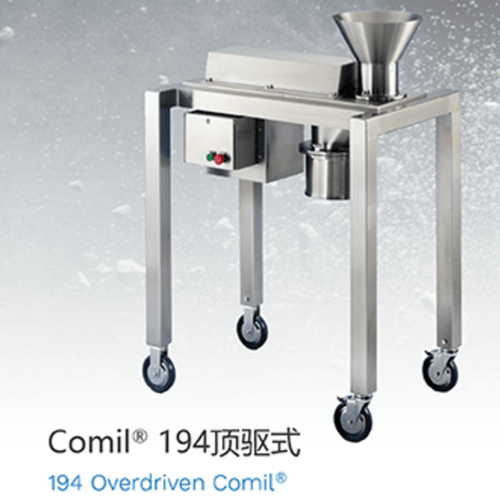
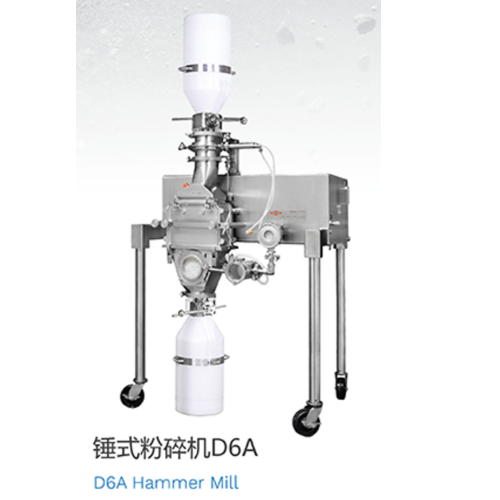
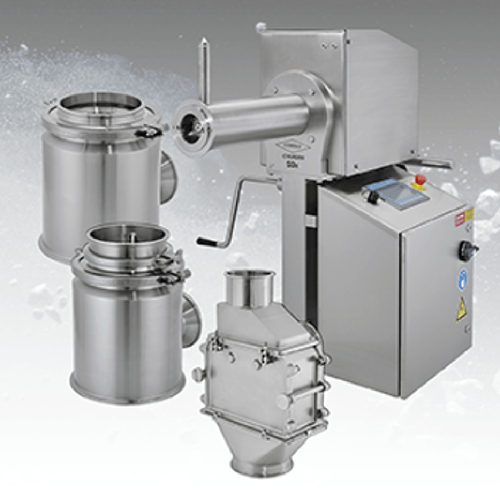
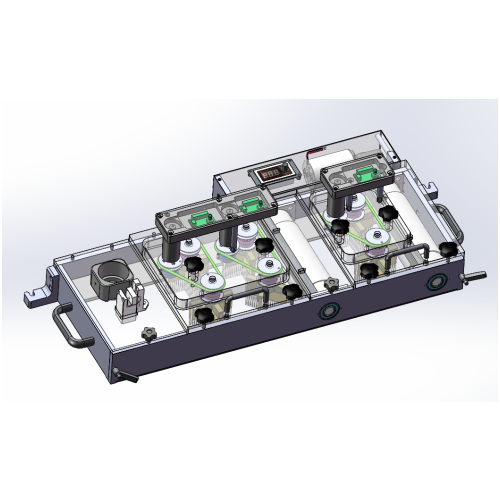
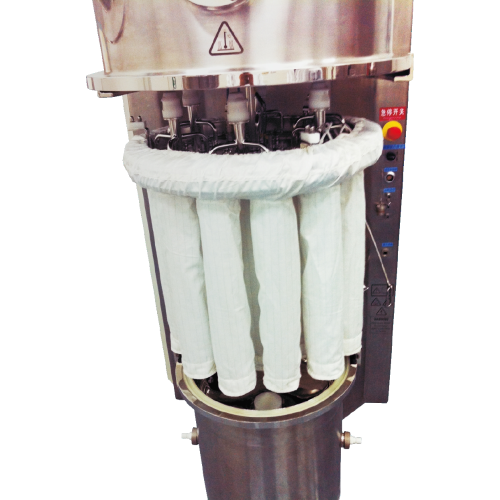
A pharmaceutical milling machine represents essential equipment in modern drug manufacturing facilities, designed to reduce solid materials into precise particle sizes required for optimal medication performance. These sophisticated devices serve critical roles in pharmaceutical production by transforming raw ingredients and compounds into uniform particles that meet stringent quality standards. The pharmaceutical milling machine operates through various mechanisms including impact, attrition, and compression forces to achieve desired particle size reduction. Modern pharmaceutical milling machines incorporate advanced engineering principles that ensure contamination-free processing, which is absolutely vital in medicine production. These machines handle diverse materials ranging from soft powders to crystalline compounds, adapting their processing parameters to suit different pharmaceutical formulations. The pharmaceutical milling machine features multiple operational modes including wet milling and dry milling, each suited to specific drug development requirements. Temperature control systems integrated within these machines prevent heat-sensitive compounds from degradation during the size reduction process. Pharmaceutical manufacturers rely on these machines to achieve consistent particle size distribution, which directly impacts drug dissolution rates, bioavailability, and therapeutic effectiveness. The pharmaceutical milling machine typically includes enclosed chambers that maintain sterile conditions throughout the milling process, preventing cross-contamination between different batches. These machines come equipped with easily interchangeable screens and blades, allowing operators to quickly adjust particle size specifications according to formulation requirements. Modern designs incorporate dust containment systems that capture airborne particles, protecting both product purity and operator health. The pharmaceutical milling machine integrates seamlessly with other production equipment, forming part of comprehensive pharmaceutical manufacturing lines. These versatile machines process everything from tablets and capsules to powders and granules, making them indispensable across various pharmaceutical applications. Their robust construction ensures long-term reliability in demanding production environments where continuous operation is standard.


Popular Products

The pharmaceutical milling machine delivers numerous practical benefits that directly improve manufacturing efficiency and product quality for pharmaceutical companies. First and foremost, these machines dramatically reduce production time by processing large quantities of raw materials quickly and consistently. Unlike manual grinding methods, automated milling ensures every batch receives identical treatment, eliminating variations that could compromise medication effectiveness. Pharmaceutical milling machines also significantly improve cost efficiency by minimizing material waste through precise particle size control. The enclosed design of modern milling equipment protects expensive pharmaceutical ingredients from environmental contamination, ensuring maximum yield from every production run. These machines require minimal operator intervention once properly configured, freeing skilled personnel to focus on other critical manufacturing tasks. Energy consumption remains remarkably low compared to older grinding technologies, reducing operational expenses while supporting environmental sustainability goals. The pharmaceutical milling machine provides exceptional flexibility, easily adapting to process different materials without requiring extensive reconfiguration or downtime. Cleaning procedures have been simplified through thoughtful design, with quick-release components that allow thorough sanitation between product changeovers. This ease of maintenance reduces downtime and helps manufacturers meet strict regulatory compliance requirements efficiently. Temperature management capabilities prevent heat buildup during intensive milling operations, preserving the chemical integrity of heat-sensitive pharmaceutical compounds. The pharmaceutical milling machine also enhances workplace safety by containing dust and particles within sealed chambers, eliminating inhalation risks for production staff. Noise reduction features incorporated into modern designs create more comfortable working environments compared to older equipment. These machines deliver consistent particle size distribution across entire batches, ensuring every dose contains the correct amount of active ingredient for reliable therapeutic outcomes. Precision engineering guarantees reproducible results batch after batch, simplifying quality control procedures and documentation requirements. The pharmaceutical milling machine supports scalable production, with models available for both small-scale research applications and high-volume commercial manufacturing. Investment in quality milling equipment pays dividends through reduced rejection rates, as consistent particle sizing minimizes formulation failures and regulatory issues. Automated controls reduce human error while providing detailed process documentation that satisfies regulatory audit requirements. The compact footprint of modern pharmaceutical milling machines maximizes valuable cleanroom space, allowing facilities to optimize their production layouts. These machines integrate smoothly with existing manufacturing systems through standardized connections and compatible control interfaces. Ultimately, the pharmaceutical milling machine represents a sound investment that improves product quality, reduces costs, accelerates production, and strengthens compliance with pharmaceutical manufacturing regulations.

Practical Tips

What is a mini tablet press machine and how does it work?

25

May

What is a mini tablet press machine and how does it work?

A mini tablet press machine is a compact, precision-driven piece of equipment designed to compress powdered or granulated materials into uniform tablet forms. Whether used in pharmaceutical research, nutraceutical development, or small-scale chemical...
View More
How does a mini tablet press machine improve production?

25

May

How does a mini tablet press machine improve production?

In pharmaceutical manufacturing, nutraceutical production, and even chemical processing, the ability to compress powders into uniform, consistent tablets at scale is a foundational requirement. A mini tablet press machine has emerged as a transformat...
View More
What is Press Tooling and How Does It Work in Manufacturing?

25

May

What is Press Tooling and How Does It Work in Manufacturing?

In modern manufacturing, precision, repeatability, and efficiency are not optional — they are the foundation of competitive production. Press Tooling sits at the heart of this foundation, enabling manufacturers across industries to form, cut, s...
View More
How Does Blister Packing Tooling Improve Production Speed?

25

May

How Does Blister Packing Tooling Improve Production Speed?

In high-volume pharmaceutical and consumer goods manufacturing, every second on the production line carries real cost. When facilities look for ways to accelerate output without compromising quality, the conversation almost always returns to the same...
View More

Get a Free Quote

Our representative will contact you soon.
Email
Name
Company Name
Message
0/1000

pharmaceutical milling machine

Precision Particle Size Control for Optimal Drug Performance

Precision Particle Size Control for Optimal Drug Performance

The pharmaceutical milling machine excels at delivering precise particle size control, a capability that fundamentally determines medication effectiveness and patient outcomes. Particle size directly influences how quickly active ingredients dissolve in the body, affecting absorption rates and therapeutic benefits. When pharmaceutical compounds feature inconsistent particle sizes, some patients may receive inadequate doses while others experience excessive concentrations, creating serious health risks. The pharmaceutical milling machine eliminates these concerns through sophisticated engineering that produces uniform particles within tight specification ranges. Advanced screening systems integrated into these machines separate particles with extreme accuracy, ensuring only appropriately sized materials proceed to subsequent manufacturing stages. This precision proves especially critical when formulating medications with narrow therapeutic windows, where small dosage variations can mean the difference between treatment success and adverse reactions. The pharmaceutical milling machine employs adjustable settings that allow manufacturers to target specific particle size distributions tailored to individual drug formulations. Fine powders required for inhalation medications demand different milling parameters than larger particles used in sustained-release tablets, and modern equipment handles these variations effortlessly. Quality control becomes significantly more straightforward when particle sizing remains consistent, reducing testing burdens and accelerating product release timelines. The pharmaceutical milling machine also addresses bioavailability challenges that plague poorly soluble compounds by reducing particle sizes to enhance surface area exposure. Smaller particles dissolve more rapidly in bodily fluids, improving drug absorption and therapeutic response. This capability has opened new possibilities for reformulating existing medications with improved performance characteristics. Regulatory authorities worldwide recognize particle size control as a critical quality attribute, and the pharmaceutical milling machine provides documentation proving compliance with specifications. The reproducibility these machines deliver batch after batch simplifies validation protocols and reduces regulatory submission complexity. Manufacturers appreciate how consistent particle sizing minimizes formulation adjustments during scale-up from development to commercial production. The pharmaceutical milling machine represents the technological foundation that enables pharmaceutical companies to deliver safe, effective medications with predictable performance profiles.
Contamination Prevention Through Advanced Containment Engineering

Contamination Prevention Through Advanced Containment Engineering

Modern pharmaceutical milling machines incorporate sophisticated containment technologies that protect product purity throughout the size reduction process, addressing one of the pharmaceutical industry's most critical concerns. Contamination can occur from multiple sources including residual materials from previous batches, environmental particulates, lubricants from mechanical components, and even metallic particles from equipment wear. The pharmaceutical milling machine combats these risks through multiple engineered barriers and specialized materials selection. All product-contact surfaces utilize pharmaceutical-grade stainless steel or specialized polymers that resist corrosion, prevent chemical reactions, and facilitate thorough cleaning. Sealed chambers isolate milling operations from external environments, blocking airborne contaminants while containing product dust within controlled zones. The pharmaceutical milling machine features gasket systems and precision-machined joints that eliminate gaps where materials might accumulate or contaminants could enter. Advanced designs incorporate positive pressure systems that prevent outside air infiltration during operation. These machines also address the challenge of cross-contamination between different products manufactured on shared equipment. Quick-change components allow complete disassembly for inspection and cleaning, with smooth surfaces that leave no hiding places for residual materials. The pharmaceutical milling machine supports clean-in-place and sterilize-in-place protocols that reduce manual cleaning time while ensuring superior sanitation results. Automated cleaning verification systems provide documented proof that equipment meets cleanliness standards before new production begins. Specialized coatings on internal surfaces prevent material adhesion, allowing complete product recovery and minimizing waste. The pharmaceutical milling machine incorporates dust collection systems that capture airborne particles immediately at their source, preventing contamination of surrounding production areas. These containment measures protect not only product quality but also operator health and environmental cleanliness. Metal detection systems integrated into pharmaceutical milling machines identify any contaminating particles before they compromise entire batches. The equipment's enclosed design also prevents moisture intrusion, crucial when processing hygroscopic materials sensitive to humidity exposure. Maintenance procedures follow strict protocols that prevent introducing contaminants during routine servicing. The pharmaceutical milling machine delivers peace of mind that every batch remains pure, supporting regulatory compliance and protecting patient safety.
Versatile Processing Capabilities Across Diverse Pharmaceutical Applications

Versatile Processing Capabilities Across Diverse Pharmaceutical Applications

The pharmaceutical milling machine demonstrates remarkable versatility in handling diverse materials and applications across the entire spectrum of pharmaceutical manufacturing. From processing delicate biological compounds to reducing hard crystalline substances, these machines adapt their operational parameters to suit vastly different material characteristics. Pharmaceutical companies value this flexibility because it maximizes equipment utilization and return on investment. A single pharmaceutical milling machine can process materials for multiple product lines, eliminating the need for dedicated equipment for each formulation type. These machines handle wet milling applications where liquid additions create paste-like materials requiring specialized processing approaches. They equally excel at dry milling operations that reduce brittle materials into free-flowing powders. The pharmaceutical milling machine processes heat-sensitive compounds using cryogenic cooling systems that maintain low temperatures throughout grinding operations. This capability proves essential when working with vitamins, probiotics, and other temperature-vulnerable ingredients that would degrade under normal milling conditions. Conversely, some formulations benefit from controlled heating during milling, and modern equipment provides precise temperature management in either direction. The pharmaceutical milling machine accommodates materials with vastly different hardness levels through interchangeable grinding elements designed for specific applications. Soft materials like lactose mill easily with standard configurations, while harder substances like certain crystalline actives require reinforced components. These machines also handle fibrous materials that might clog less sophisticated equipment, using specialized cutting actions that process challenging textures effectively. The pharmaceutical milling machine supports various particle size targets ranging from coarse granules measuring hundreds of microns to ultrafine powders below ten microns. This range enables manufacturers to produce everything from immediate-release formulations requiring rapid dissolution to controlled-release products needing specific particle characteristics. Batch sizes scale from small research quantities during development phases to commercial volumes measured in hundreds of kilograms. The pharmaceutical milling machine integrates with upstream and downstream processing equipment, functioning as part of continuous manufacturing systems or traditional batch operations. These machines process ingredients for solid dosage forms, topical preparations, injectable suspensions, and respiratory formulations. Their adaptability extends to handling excipients, active pharmaceutical ingredients, and finished product rework materials. The pharmaceutical milling machine truly represents a universal solution that grows with pharmaceutical companies as their product portfolios expand and manufacturing needs evolve.

Get a Free Quote

Our representative will contact you soon.
Email
Name
Company Name
Message
0/1000