
 EN
EN



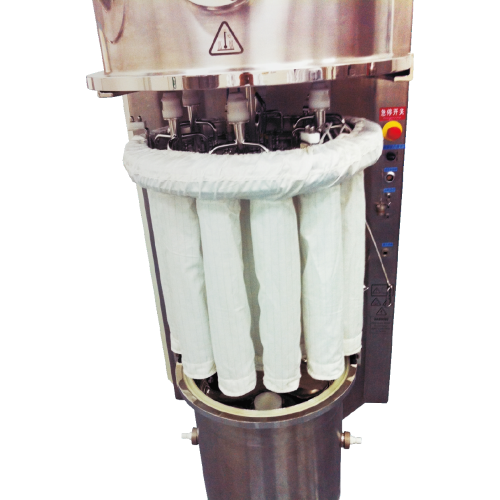
Modern industrial manufacturing demands precision, efficiency, and reliability at every stage of production. When it comes to powder pressing operations, the quality and design of your compacting tooling directly determines the success of your manufacturing process. Compacting tooling serves as the critical interface between raw powder materials and finished compressed components, making it essential to understand how proper tooling optimization can transform your production capabilities and bottom-line results.
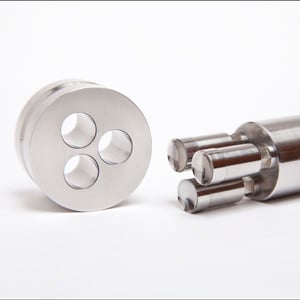
The relationship between effective compacting tooling and overall press performance cannot be overstated. Well-engineered compacting tooling reduces material waste, minimizes defects, extends equipment lifespan, and ensures consistent part quality throughout production runs. Whether you operate in metallurgy, ceramics, pharmaceuticals, or advanced materials processing, investing in superior compacting tooling represents a strategic decision that impacts productivity, cost management, and competitive positioning.
Understanding Compacting Tooling Design and Material Selection
Core Design Principles for Compacting Tooling
Effective compacting tooling must balance multiple competing requirements simultaneously. The die cavity geometry, punch configuration, and pressure distribution within compacting tooling must be optimized to accommodate your specific material properties and target density specifications. Surface finish, dimensional tolerances, and stress distribution patterns within the compacting tooling directly influence how materials respond during compression cycles. High-performance compacting tooling incorporates advanced design features including optimized cavity geometry, strategic draft angles, and engineered stress relief zones that work together to improve material flow and reduce pressing defects.
Material selection for compacting tooling involves careful consideration of hardness, wear resistance, thermal stability, and toughness properties. Specialized steel alloys and advanced composite materials used in modern compacting tooling must withstand millions of compression cycles while maintaining dimensional accuracy. The chemistry and microstructure of your compacting tooling fundamentally determine how long the tooling performs before requiring refurbishment or replacement. Premium compacting tooling materials resist galling, fatigue cracking, and dimensional drift that compromise part consistency and increase downtime.
Precision Manufacturing and Surface Treatment
The manufacturing precision applied to compacting tooling directly translates to part quality improvements. Advanced CNC machining, electrical discharge machining (EDM), and precision grinding processes create the tight tolerances necessary for consistent powder compression. Surface treatments applied to compacting tooling including nitriding, coating systems, and polishing enhance wear resistance and reduce friction during press cycles. Properly treated compacting tooling surfaces minimize adhesion buildup, extend tooling life, and reduce maintenance intervals significantly. This precision manufacturing foundation distinguishes premium compacting tooling from standard alternatives available in the market.
Operational Performance Optimization Through Compacting Tooling
Density Control and Material Consistency
One of the primary functions of well-designed compacting tooling is achieving and maintaining precise density targets across all produced parts. Compacting tooling geometry directly controls how powder particles pack and consolidate under compression pressure. Optimized compacting tooling ensures uniform pressure distribution throughout the die cavity, preventing density variations that compromise product performance and reliability. Advanced compacting tooling designs incorporate features that guide material flow and prevent segregation, ensuring homogeneous density distribution in finished components. This capability becomes increasingly critical as industries demand tighter tolerances and higher performance standards from compressed powder components.
The relationship between compacting tooling dimensions and final part specifications requires continuous verification and adjustment. Dimensional change during ejection, known as springback, must be anticipated and compensated within the compacting tooling design. Modern compacting tooling incorporates sophisticated cavity designs that account for material recovery and elastic expansion after pressing. This foresight prevents rejected parts, rework costs, and customer dissatisfaction related to out-of-specification components. Implementing advanced compacting tooling with springback compensation produces consistent first-pass quality and reduces scrap rates substantially.
Defect Reduction and Press Reliability
Poor compacting tooling design frequently leads to common pressing defects including lamination, cracking, uneven density, edge chipping, and surface irregularities. Strategic compacting tooling improvements address each defect mechanism through geometric optimization, material selection, and surface engineering. For example, optimized compacting tooling punch geometry and pressure distribution can virtually eliminate lamination defects that occur when powder particles fail to bond properly during compression. Similarly, refined compacting tooling cavity designs reduce stress concentration points that lead to part cracking and service failures. Each improvement in compacting tooling design compounds the overall quality enhancement observed in production.
Downtime and unscheduled maintenance represent significant productivity drains in powder pressing operations. Superior compacting tooling engineered for longevity and durability extends time between maintenance intervals and refurbishment requirements. Reduced wear in well-designed compacting tooling means fewer replacement cycles, lower tooling inventory requirements, and improved production schedule predictability. This reliability advantage translates directly to improved equipment utilization rates and reduced manufacturing costs across operations.
Implementation Strategy and Selection Considerations
Assessing Your Compacting Tooling Requirements
Choosing appropriate compacting tooling begins with comprehensive evaluation of your specific production requirements and material characteristics. Different powder types, target densities, production volumes, and part geometries demand distinctly different compacting tooling specifications. Metallurgical powders require different compacting tooling approaches compared to ceramic or pharmaceutical materials due to their unique compression behavior and density requirements. Expert compacting tooling suppliers conduct thorough needs analysis examining your material properties, press specifications, target volumes, and performance requirements before recommending specific tooling solutions.
Production volume significantly influences compacting tooling economics and design optimization decisions. High-volume applications justify investment in sophisticated compacting tooling with advanced features that improve efficiency and reduce cost-per-piece. Conversely, lower-volume operations may prioritize flexible compacting tooling capable of producing multiple part configurations with quick changeover. Understanding your volume projections and product mix enables strategic compacting tooling selection that balances initial investment against long-term operational benefits. This strategic approach to compacting tooling selection prevents both over-investment in unnecessary complexity and under-investment in tooling quality.
Partnership with Specialized Compacting Tooling Providers
Successful compacting tooling implementation typically requires partnership with experienced tooling specialists who understand both your industry requirements and advanced tooling technology. Quality compacting tooling suppliers offer comprehensive services including design consultation, prototype testing, production tooling manufacturing, and ongoing technical support. These partnerships ensure your compacting tooling remains optimized as production demands evolve and new materials emerge. Specialized expertise in compacting tooling design, manufacturing processes, and material science accelerates the optimization process and prevents costly mistakes that result from inadequate tooling specifications.
Access to compacting tooling solutions backed by technical expertise and manufacturing capability provides significant competitive advantages. Leading suppliers maintain advanced manufacturing equipment, material laboratories, and design engineering resources dedicated to tooling optimization. This infrastructure investment ensures your compacting tooling incorporates the latest advances in design methodology, material science, and manufacturing precision. Regular consultation with tooling specialists keeps your operations aligned with industry best practices and emerging compacting tooling innovations that drive continuous improvement.
FAQ
What is the typical lifespan of well-maintained compacting tooling?
Premium compacting tooling manufactured from high-quality materials and properly maintained typically produces between one and five million compression cycles before requiring refurbishment. The actual lifespan of compacting tooling depends significantly on material properties, powder type, compression pressure, and operational practices. Regular maintenance, proper storage, and adherence to recommended operating parameters extend the service life of compacting tooling substantially. Many operators achieve compacting tooling longevity targets by implementing preventive maintenance schedules and monitoring for wear patterns before critical failure occurs.
How does compacting tooling affect material waste and scrap rates?
Optimized compacting tooling directly reduces defects, part failures, and material waste throughout production processes. Superior compacting tooling design minimizes lamination, cracking, density variations, and dimensional inconsistencies that cause parts to be rejected or require rework. Manufacturers implementing advanced compacting tooling frequently report scrap rate reductions of twenty to forty percent depending on their previous tooling quality. The cumulative cost savings from reduced material waste, rework labor, and secondary processing often justify investment in premium compacting tooling within the first year of operation.
Can existing compacting tooling be retrofitted or refurbished for improved performance?
Yes, many operators successfully improve existing compacting tooling performance through targeted refurbishment and modification. Experienced tooling specialists can evaluate current compacting tooling performance, identify optimization opportunities, and implement targeted improvements such as cavity geometry refinement, surface treatment application, or dimension correction. Refurbished compacting tooling undergoes comprehensive inspection, precision restoration, and validation testing before return to service. This approach provides cost-effective performance enhancement for existing compacting tooling installations, though replacement with modern compacting tooling designs may ultimately deliver superior results depending on tooling age and condition.