
 EN
EN



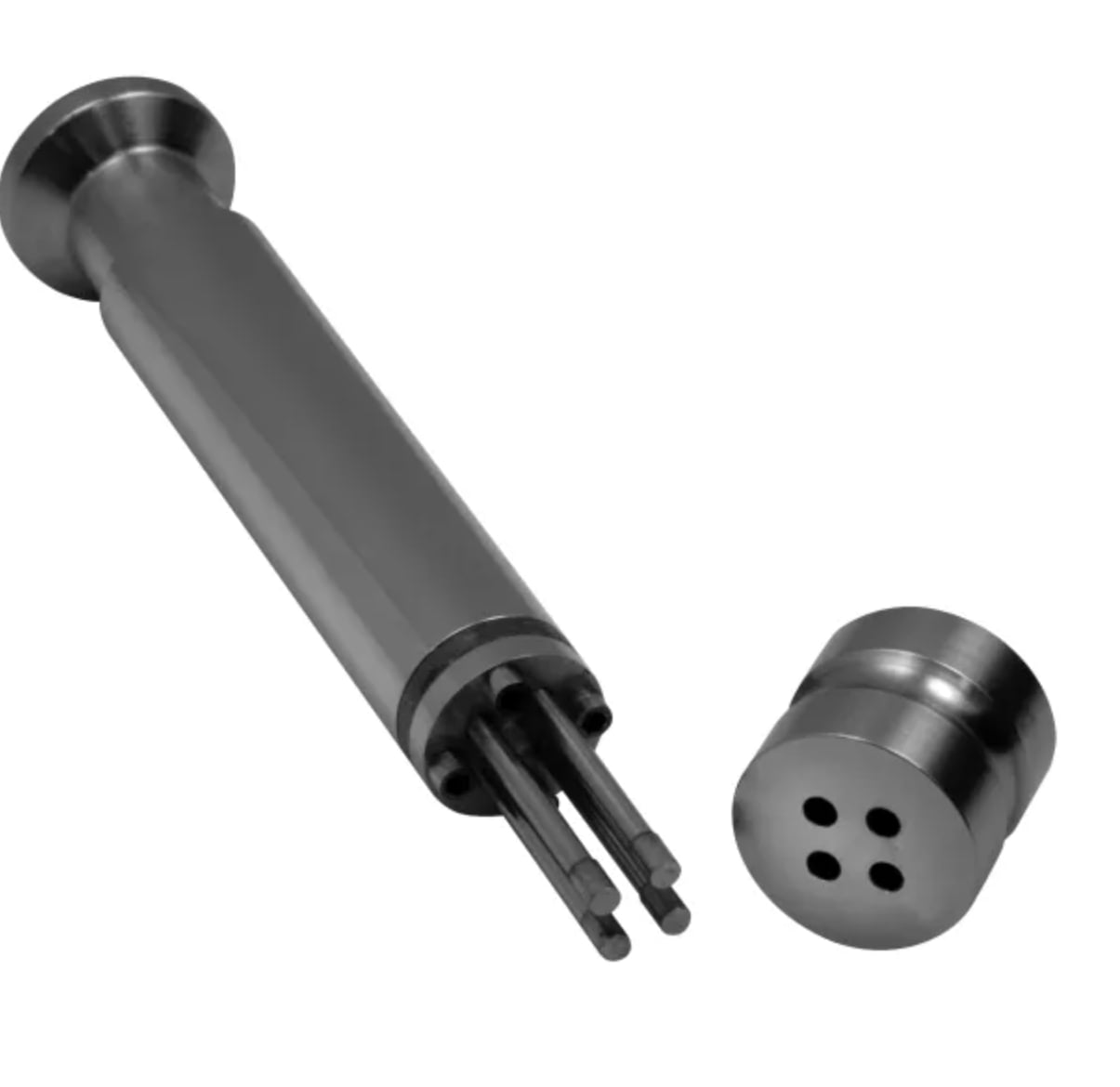
Press tooling represents one of the most critical investments in any manufacturing operation, and its longevity directly impacts production efficiency, cost management, and overall operational success. When press tooling operates without proper maintenance protocols, wear accelerates, performance degrades, and unexpected failures become inevitable. Regular press tooling maintenance is not simply a best practice—it is a fundamental requirement for extending the functional lifespan of these essential production assets and maintaining consistent output quality.
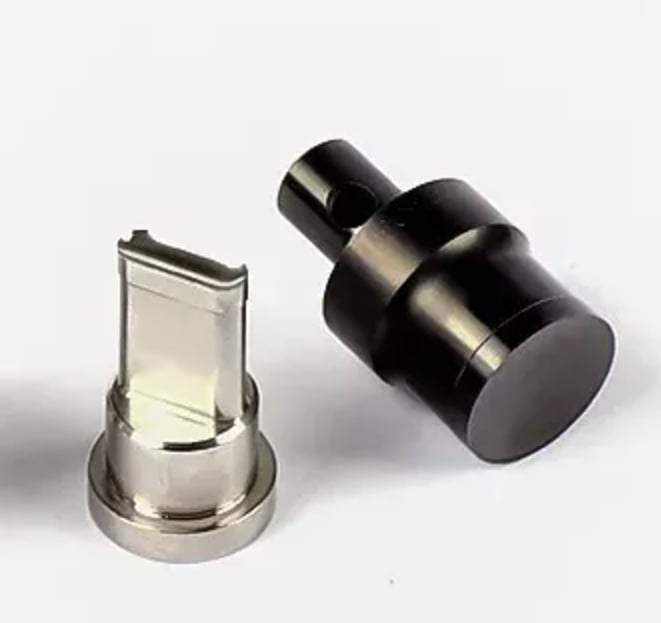
The relationship between maintenance frequency and press tooling durability has been well-established across industrial settings. Equipment that receives consistent attention experiences fewer catastrophic failures, maintains dimensional accuracy longer, and requires significantly fewer emergency repairs. Understanding the mechanics of press tooling degradation and implementing systematic maintenance routines transforms maintenance from a reactive cost center into a strategic investment that preserves asset value and maximizes return on equipment investments.
How Press Tooling Degradation Occurs Over Time
Understanding Wear Mechanisms in Press Tooling
Press tooling experiences multiple forms of wear that compound over its operational lifetime. The repeated compression cycles, thermal fluctuations, and material contact surfaces create stress patterns that gradually reduce dimensional accuracy and structural integrity. Without regular inspection, minor wear becomes major damage, and press tooling performance deteriorates to unacceptable levels. The combination of mechanical wear, corrosion, and material fatigue means that every production cycle contributes to gradual degradation unless preventive measures are actively maintained.
Impact of Neglected Press Tooling Maintenance
When press tooling maintenance is deferred or ignored, deterioration accelerates dramatically. Surface roughness increases, clearances drift beyond acceptable tolerances, and metal transfer occurs between dies and workpieces. This degradation manifests as dimensional inconsistencies in finished parts, requiring increased scrap rates and rework. Neglected press tooling also generates higher vibration levels, increased heat generation, and greater stress on press frames. The cumulative effect is a shortened lifespan that can be cut in half compared to equipment receiving proper maintenance attention.
Essential Maintenance Practices That Extend Press Tooling Life
Lubrication and Cleaning Protocols for Press Tooling
Proper lubrication stands as one of the most effective strategies for extending press tooling lifespan. Appropriate lubricant selection based on press tooling material, temperature ranges, and production requirements reduces friction between surfaces and minimizes wear acceleration. Regular cleaning removes accumulated debris, oxidation, and foreign material that accelerate corrosion and promote binding. Press tooling requires consistent lubrication schedules tailored to production intensity, with more frequent applications during high-volume periods and seasonal adjustments for temperature variations. The investment in quality lubricants and disciplined application protocols returns substantial dividends through reduced maintenance costs and extended press tooling operational periods.
Inspection and Dimensional Verification of Press Tooling
Systematic inspection routines detect emerging problems before they compromise press tooling functionality or product quality. Dimensional verification using precision measuring instruments identifies wear patterns, surface degradation, and alignment drift that indicate maintenance needs. Regular press tooling inspections establish baseline measurements that guide maintenance timing and identify whether replacement is becoming economically justified. Modern measurement systems and statistical process control methods allow facilities to track press tooling condition trends and predict optimal replacement timing, preventing both premature disposal and catastrophic failure scenarios.
Preventive Replacement and Component Restoration
Strategic component replacement represents a critical element of comprehensive press tooling maintenance strategy. Replaceable wear elements such as guide bushings, punch carriers, and pressure pads experience predictable wear rates and should be renewed based on production cycle counts or dimensional drift. Surface treatments like hard chrome plating can restore press tooling surfaces that have experienced localized wear without requiring complete tool replacement. By addressing wear components proactively rather than waiting for catastrophic failure, manufacturers maintain consistent performance while significantly extending overall press tooling lifespan and delaying expensive complete replacement investments.
Measuring the Business Impact of Press Tooling Maintenance Investment
Downtime Reduction and Production Continuity
Well-maintained press tooling experiences far fewer unexpected failures, leading to dramatic reductions in unplanned downtime. Manufacturing facilities that implement comprehensive maintenance programs report downtime reductions of forty to sixty percent compared to reactive-maintenance approaches. Each hour of production lost to press tooling failure represents significant revenue loss, labor inefficiency, and customer delivery risk. By maintaining press tooling proactively, facilities maintain production schedules reliably, fulfill customer commitments predictably, and avoid the cascading costs associated with missed deadlines and emergency repairs. The reliability advantage directly translates to competitive strength and customer satisfaction improvement.
Cost Savings Through Extended Press Tooling Life
The financial case for regular press tooling maintenance is compelling. Well-maintained press tooling typically operates two to three times longer than equipment receiving minimal maintenance attention. This extended lifespan dramatically reduces per-unit tooling costs when calculated across total production volume. Emergency repairs often cost three to five times more than planned maintenance activities, and unexpected failures frequently require expensive expedited service or tool replacement. Facilities investing in systematic press tooling maintenance programs typically achieve return on maintenance investment within the first year through reduced replacement frequency, lower repair costs, and improved production efficiency. The cumulative savings over equipment lifespan can equal or exceed the original press tooling investment.
Quality Improvement and Process Consistency
Consistent press tooling maintenance preserves dimensional accuracy, tool geometry, and material finish characteristics that directly influence finished product quality. Equipment operating with worn press tooling produces increasing dimensional variation, surface finish degradation, and defect rates. Regular maintenance keeps tooling within specification limits, enabling reliable statistical process control and consistent product quality. Improved consistency reduces scrap rates, minimizes customer returns, and enhances company reputation for quality reliability. The quality benefits of well-maintained press tooling create competitive advantages in quality-sensitive markets and support premium pricing strategies based on demonstrated reliability.
FAQ
What maintenance frequency should I establish for my press tooling?
Optimal maintenance frequency depends on production volume, material types, press tooling complexity, and operating conditions. High-volume operations typically require weekly or biweekly inspections and lubrication, while lower-volume facilities may operate with monthly schedules. Press tooling maintenance intervals should be based on production cycle counts rather than calendar time, as idle equipment experiences different wear patterns. Manufacturer recommendations, production history, and dimensional drift tracking should guide specific interval development. Starting with manufacturer guidelines and adjusting based on observed wear rates creates appropriate press tooling maintenance routines for individual facility conditions.
How do I know when press tooling maintenance is becoming insufficient?
Warning signs include increasing dimensional variation in finished parts, rising scrap rates, visible surface degradation, excessive vibration or noise, longer cycle times, and increased press force requirements. Dimensional measurement data tracking reveals trends indicating accelerated wear or fundamental press tooling degradation. Part quality deterioration despite maintained production parameters suggests press tooling wear has exceeded acceptable limits. When maintenance efforts fail to restore acceptable performance or when repair costs approach replacement costs, press tooling maintenance may no longer be economically justified, indicating replacement timing has arrived. Regular trend analysis prevents operating with inadequate press tooling that produces poor quality output.
Can advanced press tooling reduce maintenance requirements?
Modern press tooling designs incorporating advanced materials, improved surface treatments, and optimized geometry can reduce maintenance frequency and extend operational life compared to conventional designs. Carbide components, ceramic inserts, and specialized coatings provide superior wear resistance and thermal stability. However, even advanced press tooling requires systematic maintenance to achieve maximum lifespan benefits. The fundamental principles of lubrication, cleaning, inspection, and preventive component replacement apply across all press tooling types. Advanced tooling simply allows longer intervals between certain maintenance activities and provides extended baseline lifespan, but does not eliminate maintenance requirements entirely.