
 EN
EN



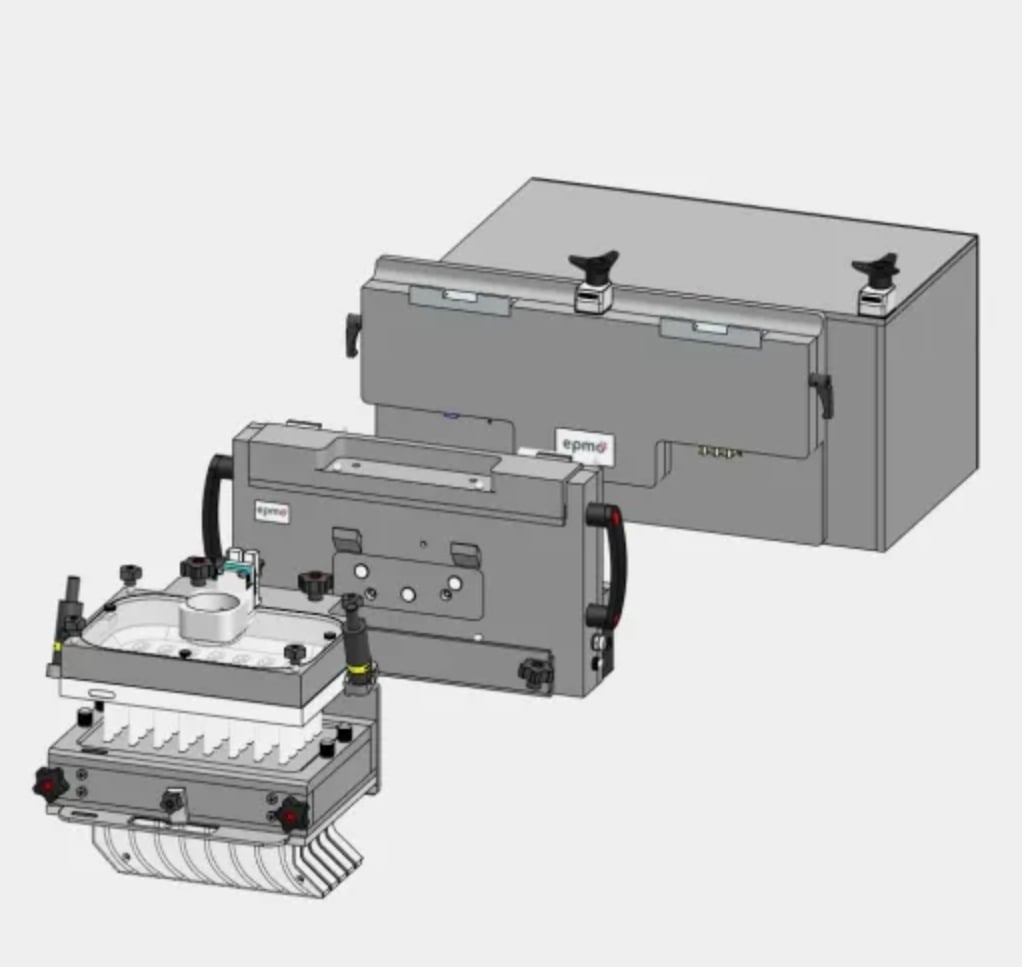
In modern pharmaceutical, nutraceutical, and consumer goods manufacturing, packaging line speed directly impacts production costs and market competitiveness. A critical but often overlooked factor in achieving higher throughput is the blister tool design itself. The precision and engineering of your blister tool can make the difference between meeting daily production targets and facing costly bottlenecks. Well-designed blister tool components work in harmony with filling machines, heating systems, and sealing equipment to create seamless workflow that minimizes stoppages and maximizes output per hour.
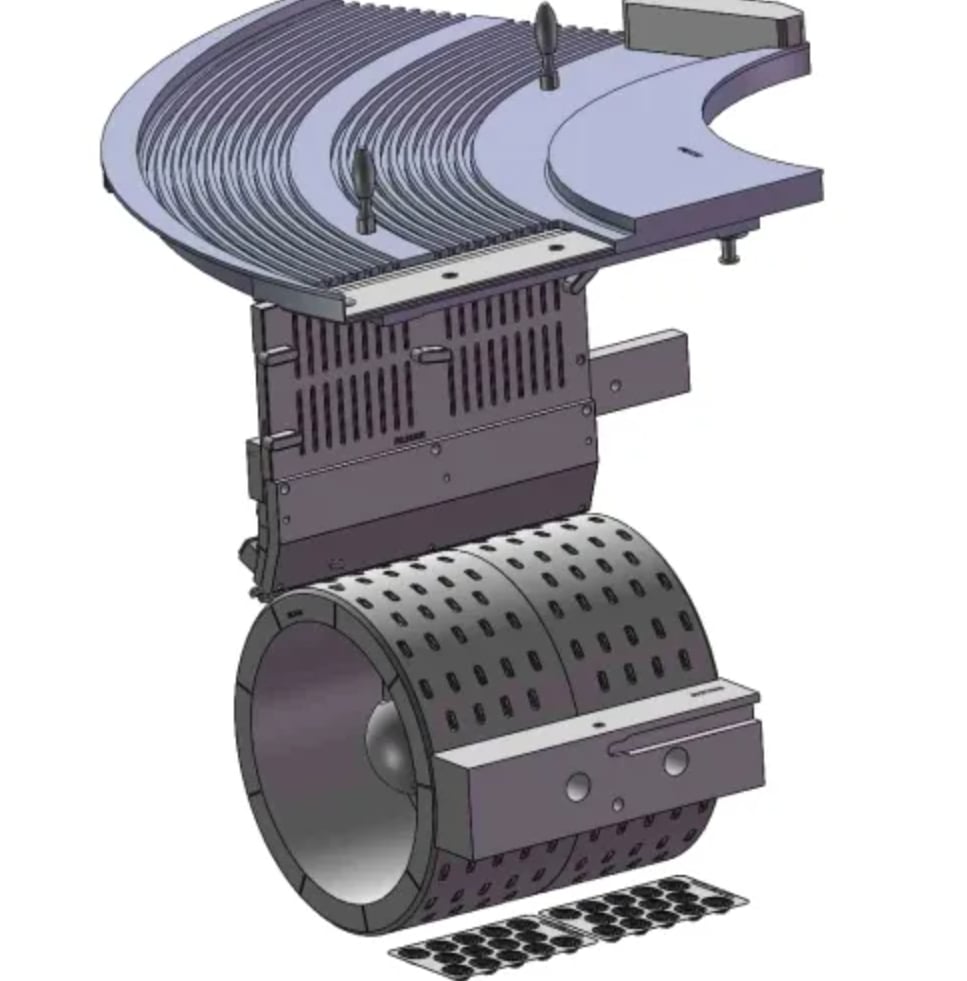
Understanding how blister tool geometry, material selection, and precision tolerances influence line speed is essential for any production manager or packaging engineer. When a blister tool operates at its design capability, you gain faster cycle times, fewer product defects, and reduced equipment strain. This article explores the core mechanisms by which blister tool design directly enhances packaging line speed and explains the practical engineering decisions that drive real-world performance improvements.
Core Design Elements That Drive Packaging Speed
Cavity Geometry and Fill Efficiency
The cavity shape and dimensions of your blister tool are foundational to line speed. A properly engineered blister tool cavity must accommodate product positioning, allow consistent fill volumes, and maintain structural integrity under thermal and mechanical stress. Cavities designed with smooth, optimized walls reduce product tumble time during the filling phase. When a blister tool geometry minimizes product settling and repositioning, the filling head can operate faster without sacrificing accuracy. Conversely, poorly designed cavities create dead zones where products lodge unexpectedly, forcing the filling system to pause or repeat cycles. This blister tool geometry factor alone can reduce line speed by 10 to 20 percent if not carefully engineered.
Seal Surface Precision
The seal surface of your blister tool must be absolutely flat and free of micro-defects to enable rapid, consistent sealing. Even microscopic irregularities in the seal surface extend seal dwell time because the sealing head must apply additional pressure or heat to compensate. A high-precision blister tool with a flat seal surface creates hermetic seals in shorter contact times, allowing the packaging line to cycle faster. Modern blister tool manufacturing uses CNC precision machining to hold seal surface flatness within microns. This precision investment in your blister tool directly translates to faster line speeds because each seal cycle completes reliably without requiring pause or rework.
Material Selection and Thermal Response
Thermal Conductivity in Blister Tool Materials
The material you choose for your blister tool significantly affects how quickly it reaches operating temperature and how uniformly it distributes heat. Aluminum-based blister tool materials are favored in high-speed packaging because they conduct heat efficiently and cool rapidly between cycles. Steel-based blister tool options offer greater durability in aggressive environments but require longer warm-up times. A blister tool made from thermally optimized aluminum can reach full operating temperature in minutes, whereas a comparable steel blister tool may require hours. For a packaging line running 24/7, this thermal advantage compounds into substantial speed gains. The blister tool material selection is therefore a critical decision that affects both startup time and sustained line speed throughout the production day.
Surface Treatment and Release Properties
A properly treated blister tool surface reduces friction between the product and the mold cavity, enabling faster ejection cycles. Modern blister tool surfaces often receive non-stick coatings or specialized finishes that prevent product sticking and material buildup. When your blister tool surface remains clean and slippery, product release occurs almost instantaneously after the cavity cools. This rapid release allows the machine to advance to the next cycle without delay. A contaminated or poorly treated blister tool surface, by contrast, causes products to stick, requiring manual intervention or cycle repeats that dramatically slow the entire packaging line. Investing in high-quality blister tool surface treatment is therefore one of the highest-ROI decisions in maintaining speed.
Alignment, Tolerances, and Line Integration
Dimensional Tolerances and Machine Compatibility
A blister tool must be manufactured to exacting dimensional tolerances to ensure perfect alignment with your packaging machine's turret or shuttle system. Loose tolerances force mechanical adjustments and alignment time before each production run, delaying startup. A precision blister tool with tight tolerances seats perfectly into the machine, reducing setup time to minutes rather than hours. This speed advantage accumulates across daily changeovers, weekly maintenance cycles, and quarterly tool rotations. For high-volume operations running multiple SKUs, a well-engineered blister tool with superior dimensional control becomes a substantial competitive advantage. The tooling investment pays dividends through faster changeovers and fewer production delays.
Cycle Time Optimization Through Design
The blister tool design directly influences the time required for each process stage: filling, heating, sealing, and ejection. When a blister tool cavity facilitates rapid product positioning and the seal surface enables quick heat transfer, the overall blister tool cycle time shrinks. Modern packaging machines can achieve 100 to 150 blisters per minute when the blister tool design is optimized for speed. The same machine with a poorly designed blister tool may only reach 60 to 80 blisters per minute. This performance gap reflects how fundamentally blister tool geometry, surface properties, and thermal characteristics influence line throughput. Operators who understand blister tool design principles can work with toolmakers to specify speed-optimized tools rather than accepting generic, slower alternatives.
Real-World Performance Impact
Throughput Gains and Downtime Reduction
Industries relying on blister tool-based packaging report measurable speed improvements when upgrading to advanced blister tool designs. Pharmaceutical lines commonly see 15 to 25 percent throughput gains after switching to precision-engineered blister tool solutions. These gains result from faster cycle times, reduced stoppages due to product misalignment, and quicker material changeovers enabled by the improved blister tool specifications. Additionally, a well-designed blister tool exhibits more consistent behavior across extended production runs, reducing the need for mid-shift adjustments and recalibrations. Over a year of continuous operation, the cumulative effect of a superior blister tool translates into thousands of additional blisters produced, directly increasing revenue per production hour.
Cost-Benefit of Speed-Optimized Blister Tool Investments
The capital investment in a high-performance blister tool is typically recovered within 6 to 12 months through speed gains and reduced labor costs. A blister tool engineered for speed may cost 20 to 30 percent more than a basic alternative, but the increased throughput justifies the premium. Consider that each additional blister per minute equates to 1,440 extra units per day on a continuously running line. For products with healthy margins, this speed advantage generates substantial additional profit. Forward-thinking manufacturers therefore prioritize blister tool quality and design optimization as a core strategy for competitive advantage, not as a discretionary expense. The blister tool is ultimately a precision manufacturing investment that directly multiplies production capacity without requiring additional machine hardware or floor space.
FAQ
How does blister tool geometry affect filling speed?
Blister tool cavity geometry determines how products position and settle during the filling phase. Optimized blister tool cavities with smooth walls and appropriate depth allow products to settle consistently and quickly, enabling the filling head to operate at maximum speed. Poor blister tool design creates uneven product distribution or repositioning, forcing the filling system to pause or repeat cycles, which directly reduces line speed.
What material is best for a high-speed blister tool?
Aluminum-based materials are typically preferred for high-speed blister tool applications because they offer superior thermal conductivity, allowing faster heat distribution and cycle times. Steel-based blister tool materials offer greater durability but conduct heat more slowly. The choice depends on your specific product, environmental conditions, and production volume requirements, but thermal performance is always a key factor in blister tool speed optimization.
Can an existing packaging machine achieve faster speeds with a better blister tool?
Yes, upgrading to a precision-engineered blister tool designed for speed can significantly improve existing machine performance. A well-designed blister tool with optimized cavity geometry, flat seal surfaces, and precise tolerances allows your current packaging machine to operate closer to its maximum design speed. Many facilities gain 15 to 25 percent throughput improvements simply by replacing older blister tool designs with modern, speed-optimized alternatives.