
 EN
EN


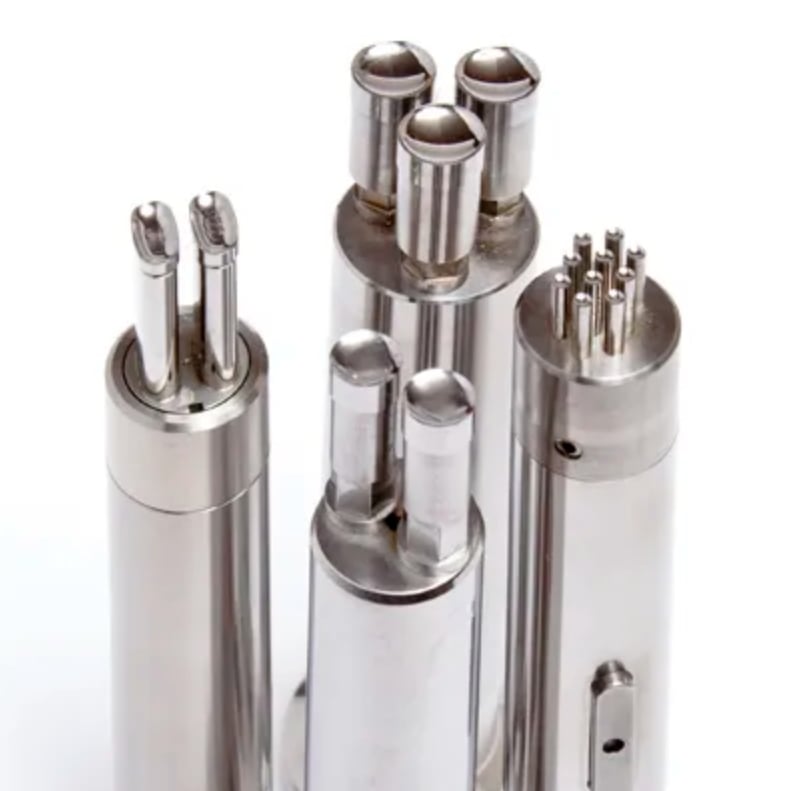
Machine downtime represents one of the most significant cost drivers in manufacturing operations. When critical forming parts fail or underperform, production halts, revenue stops, and repair expenses mount rapidly. Organizations that invest in high-quality forming parts consistently report lower downtime incidents, faster production cycles, and improved operational efficiency. The relationship between forming parts quality and machine reliability is direct and measurable, making this investment essential for any manufacturer serious about reducing total cost of ownership.
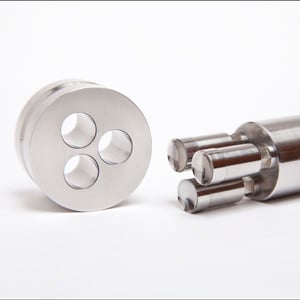
The true value of quality forming parts becomes evident through operational data and real-world performance metrics. Manufacturers working with inferior or marginal forming parts face recurring breakdowns, component replacement cycles, and cascading failures that ripple through entire production lines. By contrast, organizations leveraging premium forming parts experience extended service intervals, predictable performance, and dramatically reduced unplanned maintenance. This article explores the critical connection between forming parts quality and machine downtime reduction, revealing why this investment pays dividends across your entire operation.
How Quality Forming Parts Enhance Component Longevity and Reliability
Precision Engineering Minimizes Stress Points and Failure Modes
Quality forming parts are engineered with precise dimensional tolerances, material composition controls, and stress-resistant designs that prevent premature wear. When forming parts meet exacting specifications, they distribute loads evenly across contact surfaces, eliminating the stress concentrations that trigger failures. Poor-quality forming parts, conversely, often exhibit dimensional inconsistencies, material defects, and design shortcuts that create weak points vulnerable to fatigue and breakage. These weaknesses manifest as unexpected failures precisely when production demands peak, forcing expensive emergency repairs and shutdowns.
Material Selection and Heat Treatment Standards
Superior forming parts benefit from rigorous material selection processes and controlled heat treatment protocols that ensure structural integrity. Quality forming parts manufactured from premium alloys and processed through proper hardening procedures resist deformation, maintain dimensional stability, and withstand repeated stress cycles without degradation. Inferior forming parts often use questionable material sources and skip critical treatment steps to reduce costs, resulting in brittleness, softness, or inconsistent hardness that accelerates wear and failure rates dramatically.
Direct Impact of Forming Parts Quality on Machine Availability and Production Throughput
Reducing Unplanned Maintenance Events Through Reliable Component Performance
Unplanned maintenance represents the most expensive and disruptive form of downtime because it interrupts carefully scheduled production workflows. When your machines contain high-quality forming parts, failure rates drop significantly, allowing maintenance teams to execute planned, predictable service schedules rather than responding to emergencies. Quality forming parts operate reliably within design parameters, generating consistent performance data that enables predictive maintenance strategies. This shift from reactive emergency repairs to proactive planned maintenance reduces downtime by sixty to eighty percent in many manufacturing environments, translating directly to increased output and profitability.
Extending Service Intervals and Reducing Total Repair Frequency
Every time forming parts require replacement or repair, your machines spend time offline and your team allocates resources to maintenance rather than production. Quality forming parts outlast inferior alternatives by multiples, extending service intervals from months to years in many applications. The forming parts you select today directly determine how frequently your maintenance team must access your machines for component replacement. Organizations using premium-grade forming parts report maintenance intervals extending to three, four, or even five times longer than operations relying on budget alternatives, creating substantial operational advantages and cost savings.
Strategic Business Impact of Investing in Quality Forming Parts
Calculating the True Cost of Downtime and How Quality Forming Parts Justify Investment
Many manufacturers initially balk at the higher purchase price of quality forming parts, failing to account for downtime costs that dwarf component expenses. Consider a production line generating ten thousand dollars per hour in revenue that stops due to forming parts failure. A six-hour unplanned shutdown costs your organization sixty thousand dollars in lost revenue alone, before adding technician labor, emergency repair charges, and lost customer goodwill. Quality forming parts costing ten times more than budget alternatives pay for themselves through downtime prevention in a single incident, making this investment economically irresistible when analyzed holistically.
Competitive Advantage Through Operational Consistency
Organizations equipped with quality forming parts maintain production schedules reliably, meet customer deadlines consistently, and build reputations for dependability that command premium pricing. Companies plagued by forming parts-related downtime struggle to fulfill orders, disappoint customers, and lose market share to more reliable competitors. The competitive advantage gained through operational consistency directly results from choosing forming parts that perform reliably under production stress. This advantage compounds over months and years, creating measurable differences in market position, customer retention, and profitability between operations using quality forming parts versus those cutting corners on component procurement.
FAQ
What specific indicators suggest your current forming parts are compromising machine reliability?
Warning signs include increasing frequency of unplanned maintenance events, longer repair times, requiring repeated replacement of the same forming parts within short intervals, and maintenance team reports of component defects or dimensional drift. If your forming parts consistently fail before manufacturer specifications predict, quality issues almost certainly exist. Rising maintenance costs combined with stagnant production output also signal that forming parts degradation is driving downtime and inefficiency, warranting immediate quality upgrade evaluation.
How do quality forming parts specifications prevent cascading failures in connected equipment?
When forming parts fail, they often damage or stress connected components, triggering secondary failures that multiply downtime and repair costs exponentially. Quality forming parts operate predictably within design parameters, preventing the erratic behavior or sudden failures that stress surrounding equipment. Precise dimensional consistency in forming parts ensures proper mechanical interfaces with connected components, preventing misalignment wear and premature failure of otherwise reliable equipment. This reliability cascading effect means upgrading to quality forming parts often improves the performance and longevity of your entire machine ecosystem, not just individual components.
What return on investment timeline should manufacturers expect from upgrading to premium forming parts?
Most organizations recover the premium investment in quality forming parts within six to eighteen months through reduced downtime, extended maintenance intervals, and eliminated emergency repair expenses. The payback period depends on your current downtime frequency, machine utilization rate, and production value, but calculations typically justify the investment decisively. Organizations operating machinery at high utilization rates or managing critical production processes often see ROI within weeks or months, as forming parts-related downtime prevention captures substantial value immediately. The investment becomes an obvious financial decision once downtime costs are accurately quantified and compared against component upgrade expenses.