
 EN



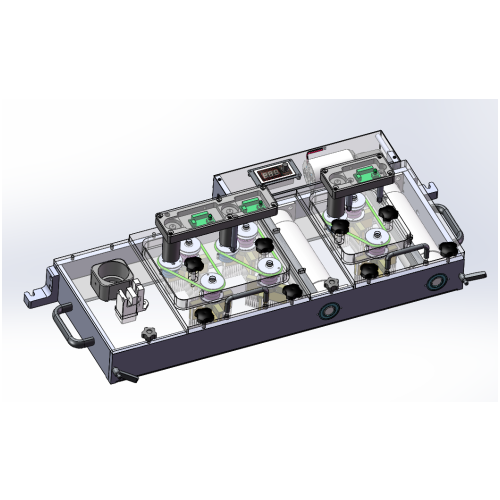
Energy expenses represent one of the largest controllable costs in modern manufacturing facilities. Reducing energy consumption directly impacts profitability, competitiveness, and environmental sustainability. Multi tip tooling emerges as a powerful solution to address this challenge by fundamentally changing how manufacturing operations consume power. Unlike conventional single-tip tooling that requires frequent tool changes and extended idle times, multi tip tooling optimizes production cycles and dramatically lowers the total energy footprint of factory operations. Understanding the connection between multi tip tooling and energy savings requires examining both direct and indirect cost drivers that affect overall manufacturing economics.
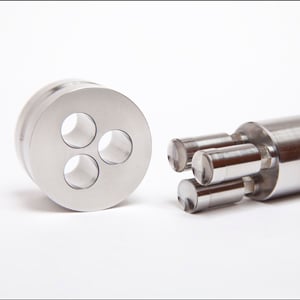
Manufacturing plants operate machinery continuously, consuming significant electrical power throughout each production shift. Every inefficiency in tooling workflow translates directly into wasted energy and increased utility bills. Multi tip tooling reduces energy consumption by enabling longer, uninterrupted production runs with minimal tool changeovers. This efficiency gain means machines spend less time idling, restarting, or running calibration cycles. The result is a measurable decrease in overall factory energy demand and corresponding cost savings that accumulate substantially over months and years of operation.
How Multi Tip Tooling Reduces Machine Idle Time and Energy Waste
Extended Production Runs with Fewer Interruptions
Single-tip tooling requires frequent pauses for tool replacement, measurement verification, and machine recalibration. Each interruption forces motors and drive systems to power down, then restart—a cycle that consumes considerable energy. Multi tip tooling enables extended production runs by providing multiple cutting edges on a single tool assembly, eliminating the need for frequent tool changes. When multi tip tooling remains engaged in the cutting process for longer durations, machines maintain consistent operational momentum without power-intensive restart cycles. This continuous workflow dramatically reduces idle energy consumption and improves the overall efficiency ratio of machine runtime to actual productive work.
Minimized Changeover Procedures and System Restarts
Traditional manufacturing workflows involve tool removal, inspection, positioning of new tooling, and precision verification before resuming production. Multi tip tooling consolidates these steps by requiring fewer tool exchanges across an entire production batch. Factories eliminate redundant calibration routines, sensor checks, and spindle positioning procedures that accompany conventional tool changeovers. Each eliminated changeover cycle reduces energy consumption from control systems, hydraulic pumps, pneumatic actuators, and spindle motors that power these procedures. Over a typical eight-hour shift, the cumulative energy savings from reduced changeover operations can be substantial, particularly in high-volume manufacturing environments where multi tip tooling is deployed across multiple machines simultaneously.
Direct Energy Savings and Cost Impact of Multi Tip Tooling Adoption
Quantifiable Reduction in Electrical Consumption
Multi tip tooling directly reduces kilowatt-hour consumption by optimizing machine utilization efficiency. Facilities that transition to multi tip tooling typically observe baseline power consumption decreases of eight to fifteen percent across affected production lines. This reduction stems from extended tool life, fewer tool changes, and minimized machine idle periods. For a facility operating multiple CNC machines or production centers continuously, this translates into tangible monthly savings on electrical bills. Multi tip tooling enables factories to process equivalent production volumes while drawing less power from the electrical grid. The financial benefit compounds when calculated across an entire fiscal year, creating measurable impact on operating margins and energy-related budget allocations.
Secondary Cost Benefits Beyond Direct Energy Savings
The economic advantage of multi tip tooling extends beyond direct electricity cost reduction. Reduced tool consumption decreases spending on replacement tooling, inventory management, and tool storage infrastructure. Multi tip tooling generates fewer tool disposal requirements and reduces environmental remediation costs associated with manufacturing waste. Fewer tool changes translate into less operator time spent on non-productive tasks, allowing personnel to focus on higher-value activities or support additional production lines. Machine wear decreases when unnecessary start-stop cycles are eliminated, reducing maintenance frequency and parts replacement costs. These cumulative secondary benefits significantly enhance the total return on investment when facilities adopt multi tip tooling solutions for their manufacturing operations.
Implementation Strategy for Energy Optimization with Multi Tip Tooling
Selecting the Right Multi Tip Tooling Configuration
Successful energy cost reduction requires matching multi tip tooling specifications to production requirements and machine capabilities. Different manufacturing applications—from precision machining to production drilling to high-speed turning—demand specific multi tip tooling geometries and material compositions. Facilities must evaluate existing machine tool capacity, spindle speed ranges, and cutting force requirements when selecting appropriate multi tip tooling solutions. Proper selection ensures optimal cutting efficiency, which directly correlates with reduced power consumption per part produced. Multi tip tooling selected without considering machine specifications may underperform, requiring deeper cuts or slower feed rates that actually increase energy consumption. Partnering with tooling specialists ensures multi tip tooling selection aligns with facility-specific production goals and energy reduction targets.
Phased Deployment and Monitoring Energy Performance
Facilities benefit from implementing multi tip tooling through a structured rollout that prioritizes high-volume production lines first. Initial deployment on machines with highest operational hours maximizes energy savings impact and provides measurable baseline data. Monitoring systems track kilowatt consumption, tool life metrics, and production output to quantify the energy efficiency gains delivered by multi tip tooling implementation. This data-driven approach identifies additional optimization opportunities and validates the business case for expanding multi tip tooling deployment across facility equipment. Regular performance reviews ensure that multi tip tooling continues delivering projected energy and cost benefits throughout its operational lifespan. Documentation of energy metrics creates accountability and supports decision-making for future capital investments in manufacturing technology.
FAQ
Can multi tip tooling reduce energy costs across all manufacturing industries?
Multi tip tooling delivers measurable energy savings in any manufacturing environment where tool changeovers consume significant operational time and power. Industries including automotive, aerospace, medical device production, and general machining all benefit from multi tip tooling energy efficiency. However, the magnitude of savings varies based on production volume, machine configuration, and existing tooling workflows. Facilities with longer production runs and higher tool change frequency see the most dramatic energy cost reductions from multi tip tooling adoption. Industries with shorter batch runs or simpler machining operations may experience more modest energy improvements, though cost reduction remains achievable when multi tip tooling is properly configured for specific applications.
How quickly does multi tip tooling investment pay back through energy savings?
Payback timeframes for multi tip tooling investments typically range from six to eighteen months in high-volume manufacturing environments. The calculation considers reduced electricity costs, decreased tool consumption, lower maintenance expenses, and improved production efficiency enabled by multi tip tooling. Facilities operating equipment for longer daily shifts and higher annual production volumes see faster payback periods from multi tip tooling investment. Facilities with lower production volumes may require longer timeframes to recoup multi tip tooling costs, though total cost of ownership remains favorable over the tool's operational lifespan. Detailed cost analysis specific to facility operations provides accurate payback projections and strengthens the business case for multi tip tooling implementation decisions.
What specific machine conditions optimize the energy benefits of multi tip tooling?
Multi tip tooling delivers optimal energy savings in machines with stable spindle performance, precise positioning capability, and adequate coolant systems for extended cutting operations. Older equipment with worn spindle bearings or calibration drift may not achieve maximum energy efficiency from multi tip tooling solutions. Clean, well-maintained machine tools ensure that multi tip tooling operates at designed cutting parameters, maintaining the optimal energy consumption profile. Machines equipped with modern control systems and real-time monitoring capabilities can dynamically adjust feeds and speeds to maximize energy efficiency while using multi tip tooling. Regular preventive maintenance of machine infrastructure creates ideal conditions for multi tip tooling to deliver promised energy cost reductions and extended tool performance across manufacturing operations.