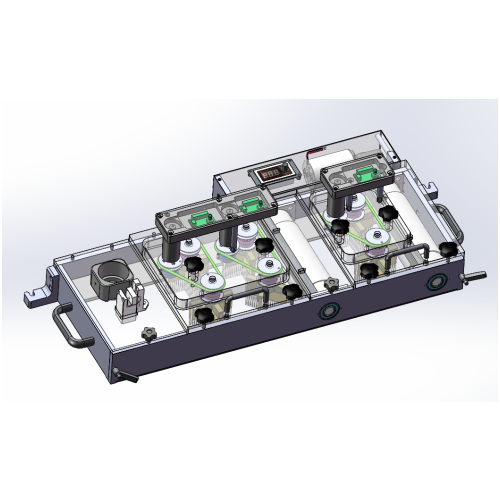
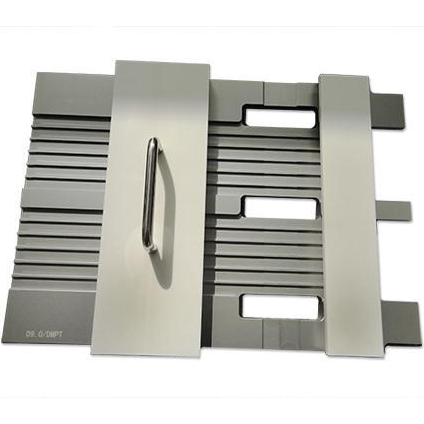
equipos de molienda de alta eficiencia
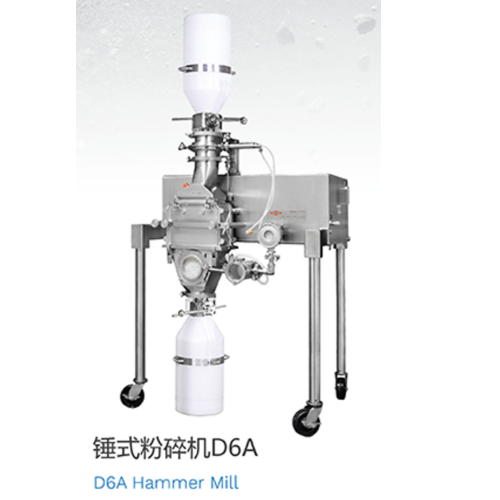
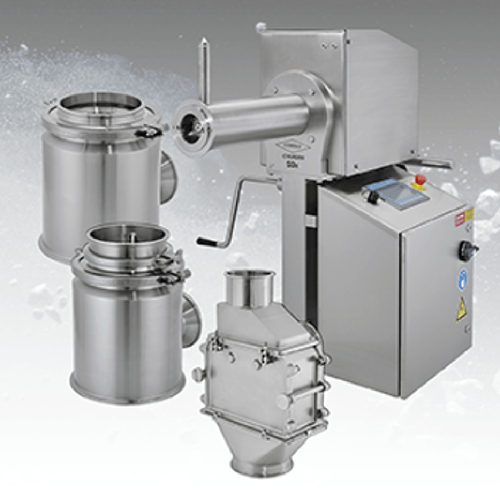
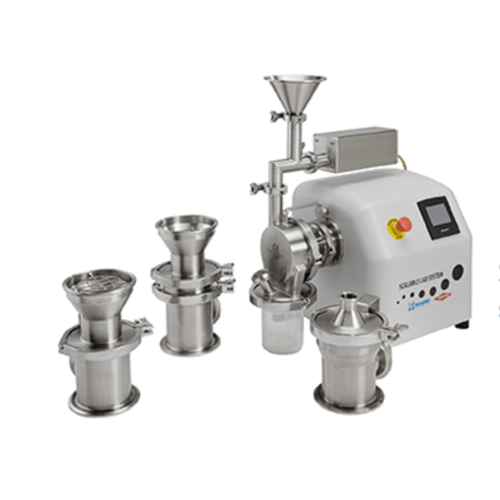
Los equipos de molienda de alta eficiencia representan un avance significativo en la fabricación moderna y el procesamiento de materiales. Diseñados para manejar una amplia gama de materiales, como metales, aleaciones, compuestos, cerámicas y diversos minerales industriales, esta categoría de maquinaria ofrece una reducción de material constante, precisa y rápida, con un consumo mínimo de energía. En esencia, los equipos de molienda de alta eficiencia combinan ingeniería mecánica avanzada con sistemas de control inteligentes para producir tamaños de partícula más finos, tolerancias más ajustadas y mayores caudales que las soluciones convencionales de molienda. Las funciones principales de estos equipos incluyen la reducción de tamaño, la clasificación de partículas, la modificación superficial y la alimentación continua de material. Estas funciones actúan de forma coordinada para garantizar que las materias primas se transformen en productos terminados o semiterminados que cumplan exactamente con las especificaciones requeridas. Ya sea para producir polvos ultrafinos destinados a aplicaciones farmacéuticas, áridos con granulometría precisa para la construcción o granos uniformemente molidos para el procesamiento alimentario, los equipos de molienda de alta eficiencia ofrecen resultados que la maquinaria tradicional simplemente no puede igualar. Desde el punto de vista tecnológico, estos equipos incorporan varias características de vanguardia: los sistemas de accionamiento de frecuencia variable permiten a los operadores ajustar en tiempo real las velocidades de rotación y el consumo energético, reduciendo así los residuos y prolongando la vida útil de los componentes; se emplean materiales avanzados resistentes al desgaste, como carburo de tungsteno y aleaciones de alto cromo, en las cámaras de molienda y las ruedas clasificadoras para extender notablemente los intervalos de mantenimiento; los sistemas integrados de captación de polvo y clasificación neumática garantizan que el proceso de molienda se mantenga limpio, seguro y conforme a las normativas ambientales; y las interfaces inteligentes de monitoreo proporcionan datos en tiempo real sobre temperatura, vibración, caudal y distribución del tamaño de partícula, lo que posibilita el mantenimiento predictivo y la optimización del proceso. Las aplicaciones de los equipos de molienda de alta eficiencia abarcan numerosas industrias: en minería y procesamiento de minerales, se utilizan para liberar minerales valiosos y preparar concentrados; en la industria química, permiten la producción de polvos finos reactivos; en el sector alimentario y agrícola, procesan cereales, especias y materias primas para piensos según especificaciones precisas; y en la fabricación avanzada, apoyan la producción de materiales para baterías, recubrimientos y productos químicos especializados. Esta versatilidad convierte a los equipos de molienda de alta eficiencia en un activo indispensable en el panorama industrial global.

 EN
EN