Premium Milling Machine Spare Parts - Enhance Performance & Extend Equipment Life

Get a Free Quote

Our representative will contact you soon.
Email
Name
Company Name
Message
0/1000

milling machine spare parts

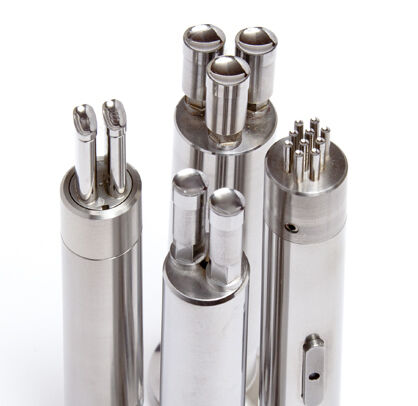
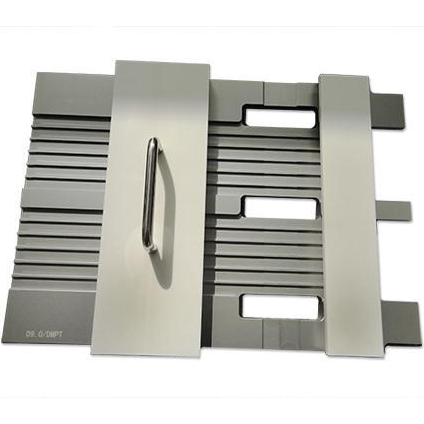
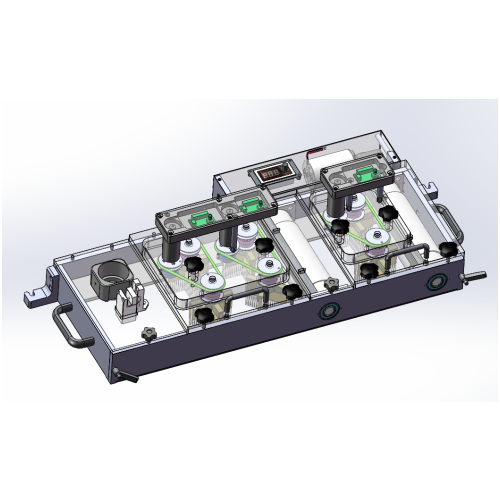
Milling machine spare parts represent critical components that ensure the continuous operation and optimal performance of milling equipment across various manufacturing environments. These essential replacement components encompass a wide range of elements including spindle assemblies, cutting tools, bearings, drive belts, gears, motors, control panels, lubrication systems, and structural elements. The main function of milling machine spare parts is to maintain the precision, reliability, and efficiency of milling operations by replacing worn or damaged components before they compromise production quality. Technological features of modern milling machine spare parts include advanced metallurgy for enhanced durability, precision engineering for exact dimensional tolerances, and compatibility with both CNC and conventional milling systems. Many contemporary spare parts incorporate wear-resistant coatings, heat-treated surfaces, and corrosion-resistant materials that significantly extend operational lifespans. The application scope of milling machine spare parts spans across multiple industries including automotive manufacturing, aerospace component production, tool and die making, general metalworking, precision engineering, and maintenance facilities. These components serve critical roles in vertical milling machines, horizontal milling machines, universal milling machines, and specialized CNC milling centers. Quality milling machine spare parts enable manufacturers to minimize unexpected downtime, maintain consistent product quality, reduce overall maintenance costs, and extend the service life of expensive milling equipment. The availability of genuine and aftermarket milling machine spare parts allows facility managers to implement preventive maintenance strategies, maintain adequate inventory levels, and respond quickly to equipment failures. Modern spare parts often feature improved designs that incorporate lessons learned from field experience, offering enhanced performance compared to original components while maintaining full compatibility with existing machinery installations.

Popular Products

Investing in quality milling machine spare parts delivers substantial practical benefits that directly impact your bottom line and operational efficiency. First and foremost, having access to reliable spare parts minimizes production interruptions by enabling quick repairs when equipment issues arise, allowing you to meet delivery deadlines and maintain customer satisfaction. When your milling equipment experiences component failure, readily available milling machine spare parts mean you can restore operations within hours rather than days or weeks, preventing costly production delays that could result in contract penalties or lost business opportunities. Quality spare parts also contribute to better machining accuracy and surface finish quality, as worn components often cause dimensional inconsistencies and poor product quality that lead to increased scrap rates and rework expenses. By replacing deteriorating parts proactively, you maintain the precision standards your customers expect while reducing material waste. Another significant advantage is cost predictability, as planned replacement of milling machine spare parts through preventive maintenance programs costs considerably less than emergency repairs requiring expedited shipping, overtime labor, and potential secondary damage to other machine components. You gain financial control by budgeting for scheduled maintenance rather than facing unexpected expenses that disrupt cash flow. Furthermore, modern spare parts often incorporate design improvements that enhance energy efficiency, reducing your operational costs through lower electricity consumption during extended production runs. The compatibility of quality spare parts with existing equipment means you avoid the substantial capital expenditure of purchasing new machinery, extending the productive life of your current assets while maintaining competitive capabilities. Operators benefit from improved safety features integrated into contemporary spare parts designs, reducing workplace accident risks and associated liability concerns. Additionally, maintaining well-functioning equipment through timely parts replacement enhances your facility's reputation for reliability among customers and partners. The availability of comprehensive spare parts inventories also provides flexibility in maintenance scheduling, allowing you to plan replacements during planned downtime rather than disrupting production schedules. Environmental benefits emerge as well, since extending machine life through proper parts maintenance reduces industrial waste and the environmental impact associated with manufacturing and disposing of complete machines.

Latest News

How does a mini tablet press machine improve production?

25

May

How does a mini tablet press machine improve production?

In pharmaceutical manufacturing, nutraceutical production, and even chemical processing, the ability to compress powders into uniform, consistent tablets at scale is a foundational requirement. A mini tablet press machine has emerged as a transformat...
View More
How do packaging machine components work together?

25

May

How do packaging machine components work together?

Understanding how packaging machine components interact is fundamental to running efficient, reliable production lines. Every element within a packaging system—from the feeding mechanism to the sealing unit—is engineered to perform a prec...
View More
How Does Press Tooling Quality Affect Final Product Results?

25

May

How Does Press Tooling Quality Affect Final Product Results?

In precision manufacturing, the quality of Press Tooling is one of the most consequential variables in determining whether a final product meets its dimensional, structural, and aesthetic specifications. Every stamped, formed, or punched component th...
View More
Which Materials Work Best with Blister Packing Tooling?

25

May

Which Materials Work Best with Blister Packing Tooling?

Selecting the right material for Blister Packing Tooling is one of the most consequential decisions a pharmaceutical or consumer goods manufacturer can make. The material determines not only how well the tooling performs during forming, sealing, and ...
View More

Get a Free Quote

Our representative will contact you soon.
Email
Name
Company Name
Message
0/1000

milling machine spare parts

Extended Equipment Lifespan Through Precision Engineering

Extended Equipment Lifespan Through Precision Engineering

One of the most compelling advantages of investing in premium milling machine spare parts is their ability to dramatically extend the operational lifespan of your valuable milling equipment through precision engineering and superior material quality. Manufacturing facilities face constant pressure to maximize return on capital equipment investments, and strategically maintaining machinery through quality spare parts represents one of the most effective approaches to achieving this goal. Modern milling machine spare parts are manufactured using advanced materials science and precision manufacturing techniques that often surpass the specifications of original equipment components. These parts undergo rigorous quality control processes including dimensional verification, hardness testing, and performance validation to ensure they meet or exceed original equipment manufacturer standards. The precision engineering behind quality spare parts ensures perfect fitment and optimal load distribution, preventing premature wear on adjacent components that often occurs when inferior replacement parts introduce mechanical stress or misalignment into the system. Heat-treated surfaces and specialized coatings applied to critical milling machine spare parts provide exceptional resistance to the extreme forces, temperatures, and abrasive conditions encountered during metalworking operations. This enhanced durability translates directly into longer intervals between replacements, reducing both parts costs and the labor expenses associated with frequent maintenance activities. The metallurgical improvements incorporated into contemporary spare parts often include advanced alloy compositions that offer superior strength-to-weight ratios, allowing components to withstand higher loads while maintaining precise tolerances over extended service periods. For facility managers and maintenance professionals, this extended lifespan provides multiple strategic benefits including more predictable maintenance scheduling, reduced inventory carrying costs, and greater confidence in equipment reliability during critical production periods. The economic impact becomes particularly significant when considering that a single unexpected machine failure can cost thousands in lost production, making the modest premium for quality spare parts an exceptionally wise investment that pays dividends through improved uptime and reduced total cost of ownership.
Comprehensive Compatibility Across Multiple Machine Generations

Comprehensive Compatibility Across Multiple Machine Generations

The comprehensive compatibility of modern milling machine spare parts across multiple equipment generations and manufacturers represents a strategic advantage that provides operational flexibility and financial benefits for manufacturing facilities of all sizes. Industrial operations frequently maintain diverse machine fleets that include equipment purchased over many years from various manufacturers, creating potential challenges in parts sourcing and inventory management. Quality spare parts suppliers address this complexity by engineering components with universal fitment characteristics that work seamlessly across different milling machine models and brands. This cross-compatibility stems from careful attention to industry-standard dimensions, mounting configurations, and interface specifications that allow a single spare part to replace components in multiple machines throughout your facility. The practical implications of this compatibility are substantial, as maintenance departments can consolidate their spare parts inventory, reducing the number of unique components they must stock while still maintaining adequate coverage for their entire machine fleet. Reduced inventory complexity translates into lower carrying costs, simplified procurement processes, and decreased warehouse space requirements, all contributing to improved operational efficiency. For facilities operating both legacy conventional milling machines and modern CNC equipment, compatible spare parts provide a bridge that allows continued productive use of older machines without the burden of sourcing obsolete components or maintaining extensive parts libraries for discontinued equipment. This compatibility also facilitates standardization of maintenance procedures across different machines, as technicians become familiar with common components that appear throughout the facility rather than needing specialized knowledge for each unique machine model. The engineering expertise required to achieve this broad compatibility ensures that spare parts maintain the precise tolerances and performance characteristics required for each application, despite their universal fitment capabilities. Additionally, this compatibility future-proofs your parts inventory investment, as components purchased today will likely remain useful even as you update or expand your equipment fleet, protecting against the risk of obsolete inventory that must be written off when machines are retired or replaced with newer models.
Optimized Performance Through Advanced Material Technology

Optimized Performance Through Advanced Material Technology

Advanced material technology integrated into contemporary milling machine spare parts delivers optimized performance that enhances productivity, reduces operating costs, and improves machining quality beyond what was achievable with previous generation components. Material science breakthroughs have revolutionized the manufacturing of spare parts, introducing specialized alloys, ceramic composites, and engineered polymers that offer exceptional performance characteristics tailored to specific operational demands within milling applications. These advanced materials provide superior wear resistance that maintains precise dimensional tolerances throughout extended service intervals, ensuring consistent machining accuracy that directly impacts product quality and reduces scrap rates. The thermal stability of modern materials prevents dimensional changes during temperature fluctuations common in production environments, maintaining critical clearances and alignments that affect cutting precision. Friction-reducing surface treatments and self-lubricating material formulations incorporated into moving components decrease energy consumption while reducing heat generation that can compromise machining accuracy and accelerate wear on adjacent parts. For bearings and rotating assemblies, advanced ceramic hybrid designs combine the load capacity of steel with the corrosion resistance and low friction characteristics of ceramic elements, delivering longer service life and improved performance under demanding conditions. Cutting tool holders and spindle components manufactured from specialized alloys maintain their mechanical properties under the high centrifugal forces and thermal cycling inherent in milling operations, preventing the deformation and dimensional instability that compromise machining precision. The vibration-damping properties of engineered materials reduce chatter and harmonic resonance during cutting operations, enabling higher material removal rates and superior surface finishes that reduce or eliminate secondary finishing operations. These material advances also contribute to operator safety by reducing failure risks associated with fatigue fractures or sudden component degradation. Environmental benefits emerge from the extended service life and improved efficiency of advanced materials, reducing both the frequency of parts replacement and the energy consumption associated with milling operations, supporting corporate sustainability initiatives while delivering tangible cost savings that improve competitive positioning in increasingly price-sensitive markets.

Get a Free Quote

Our representative will contact you soon.
Email
Name
Company Name
Message
0/1000