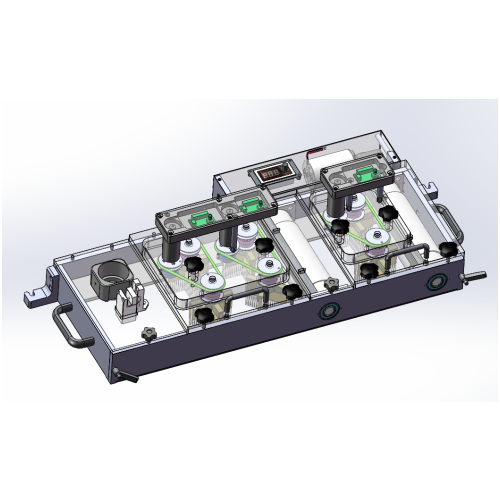
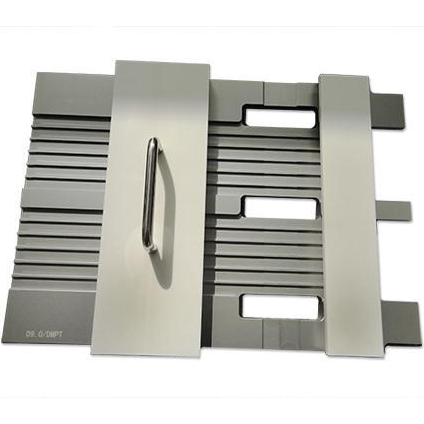
Mono Block Solutions: Integrated Performance for Hydraulic, HVAC, and Industrial Applications

Get a Free Quote

Our representative will contact you soon.
Email
Name
Company Name
Message
0/1000

mono block

The mono block is a compact, all-in-one unit that integrates multiple components into a single, unified structure. Unlike traditional multi-piece assemblies that rely on separate parts connected by fittings, hoses, or brackets, the mono block consolidates everything into one seamless body. This design philosophy eliminates weak points, reduces the number of potential failure zones, and delivers a more reliable performance across a wide range of operating conditions. At its core, the mono block is engineered for efficiency. Its integrated architecture means that fluid, electrical, or mechanical pathways are routed internally rather than externally, which significantly reduces energy loss and improves overall system response. The precision manufacturing process used to produce a mono block ensures tight tolerances, consistent output, and long service life even under demanding conditions. From a technological standpoint, the mono block leverages advanced casting, machining, and material science to achieve a level of performance that modular systems simply cannot match. High-strength alloys, corrosion-resistant coatings, and precision-bored internal channels are standard features that contribute to the unit's durability and operational consistency. Many mono block designs also incorporate smart monitoring ports or sensor-ready interfaces, making them compatible with modern automation and diagnostic systems. The applications of the mono block span a broad spectrum of industries. In hydraulic systems, the mono block valve is a go-to solution for controlling multiple actuators from a single control body, widely used in agricultural machinery, construction equipment, and material handling systems. In HVAC and refrigeration, the mono block heat pump combines the compressor, condenser, and evaporator into one outdoor unit, simplifying installation and maintenance. In automotive and aerospace engineering, mono block components are prized for their structural integrity and weight efficiency. Whether you are managing fluid power, thermal energy, or mechanical force, the mono block offers a proven, versatile solution that meets the demands of modern engineering with precision and reliability.


Popular Products

Choosing a mono block over a conventional multi-component system brings a set of real, practical benefits that make a difference from the moment you install it to the years of operation that follow. Here is a straightforward look at why the mono block stands out as the smarter choice for engineers, operators, and procurement teams alike. First, installation is faster and simpler. Because the mono block arrives as a single, pre-assembled unit, you skip the time-consuming process of connecting multiple separate parts. There are fewer fittings to tighten, fewer hoses to route, and fewer alignment steps to complete. This translates directly into lower labor costs and shorter downtime during setup or replacement. For operations where time is money, this advantage alone can justify the investment. Second, the mono block dramatically reduces leak points. Every connection in a traditional assembly is a potential leak waiting to happen. Seals degrade, fittings loosen, and vibration works connections apart over time. The mono block eliminates most of these external joints by routing pathways internally through a single machined body. The result is a system that holds pressure better, stays cleaner, and requires less maintenance attention over its service life. Third, performance is more consistent. When components are integrated into one body, the internal pathways are optimized during the design phase rather than assembled in the field. This means flow rates, pressure drops, and response times are predictable and repeatable. Operators get the same reliable output every cycle, which is critical in precision applications like hydraulic press control, automated manufacturing lines, or climate control systems. Fourth, the mono block saves space. Combining multiple functions into one compact unit frees up valuable real estate in machinery, panels, or equipment enclosures. This is especially important in mobile equipment, where space and weight constraints are constant challenges. A smaller footprint also means easier access for inspection and servicing. Fifth, long-term cost of ownership is lower. Fewer parts mean fewer spare components to stock, fewer wear items to replace, and fewer service calls to schedule. The mono block is built to last, and its simplified architecture means that when maintenance is needed, it is straightforward and quick. Over the lifetime of a machine or system, these savings add up to a compelling financial case for choosing the mono block from the start. Finally, the mono block supports cleaner, more professional system design. Integrated units look better, organize more neatly, and communicate quality to clients and inspectors alike. Whether you are building a new machine or upgrading an existing one, the mono block gives you a foundation that is both technically sound and visually clean.

Latest News

What are cardboard packing boxes and how do they work?

25

May

What are cardboard packing boxes and how do they work?

When businesses and individuals need a reliable, cost-effective, and versatile solution for protecting goods during storage or transit, cardboard packing boxes consistently emerge as the go-to choice. These containers are constructed from layers of p...
View More
How do packaging machine components work together?

25

May

How do packaging machine components work together?

Understanding how packaging machine components interact is fundamental to running efficient, reliable production lines. Every element within a packaging system—from the feeding mechanism to the sealing unit—is engineered to perform a prec...
View More
How Does Press Tooling Quality Affect Final Product Results?

25

May

How Does Press Tooling Quality Affect Final Product Results?

In precision manufacturing, the quality of Press Tooling is one of the most consequential variables in determining whether a final product meets its dimensional, structural, and aesthetic specifications. Every stamped, formed, or punched component th...
View More
Which Materials Work Best with Blister Packing Tooling?

25

May

Which Materials Work Best with Blister Packing Tooling?

Selecting the right material for Blister Packing Tooling is one of the most consequential decisions a pharmaceutical or consumer goods manufacturer can make. The material determines not only how well the tooling performs during forming, sealing, and ...
View More

Get a Free Quote

Our representative will contact you soon.
Email
Name
Company Name
Message
0/1000

mono block

Seamless Integration That Eliminates System Complexity

Seamless Integration That Eliminates System Complexity

One of the most significant advantages of the mono block is its ability to replace a tangle of separate components with a single, cohesive unit. In conventional systems, engineers must source, install, and maintain individual valves, manifolds, connectors, and housings, each of which introduces its own set of variables into the system. Every additional part is a potential point of failure, a source of leakage, or a cause of pressure inconsistency. The mono block solves this problem at the design level by consolidating all of these functions into one precision-engineered body. The internal architecture of a mono block is carefully designed using computational fluid dynamics and advanced simulation tools before a single piece of metal is cut. This means the internal channels, valve seats, and flow paths are optimized for the specific application, whether that is directing hydraulic fluid to multiple actuators on a piece of construction equipment or managing refrigerant flow in a heat pump system. The result is a unit where every cubic centimeter of internal space is working efficiently, with no wasted volume and no unnecessary pressure drop. For maintenance teams, the mono block is a welcome change from the complexity of multi-component assemblies. When a traditional system develops a problem, diagnosing the source can require checking dozens of connections, seals, and individual components. With a mono block, the diagnostic process is streamlined because the system boundary is clearly defined. Technicians know exactly what they are working with, and replacement or repair is a focused, efficient process. This reduction in complexity also benefits system designers who are working under tight space and weight constraints. Mobile machinery, compact industrial equipment, and space-sensitive installations all benefit from the mono block's ability to deliver full system functionality in a fraction of the footprint that a comparable multi-part assembly would require. The mono block is not just a product choice. It is a design philosophy that prioritizes integration, reliability, and long-term operational efficiency from the ground up.
Superior Durability Built for Demanding Operating Environments

Superior Durability Built for Demanding Operating Environments

The mono block is engineered to perform in conditions that would quickly degrade lesser assemblies. Its single-body construction is inherently stronger than a system held together by external fittings and connectors, because there are no mechanical joints to fatigue under vibration, thermal cycling, or pressure fluctuation. This structural integrity is one of the primary reasons the mono block is the preferred choice in heavy-duty applications such as agricultural machinery, mining equipment, construction vehicles, and industrial automation systems. The materials used in mono block manufacturing are selected specifically for their ability to withstand harsh environments. High-grade cast iron, ductile iron, aluminum alloys, and stainless steel are common choices depending on the application. These materials are processed through precision machining operations that hold tolerances to within fractions of a millimeter, ensuring that internal sealing surfaces, valve bores, and flow channels perform exactly as designed throughout the product's service life. Surface treatments such as hard anodizing, phosphate coating, and electroless nickel plating are frequently applied to mono block components to enhance corrosion resistance and reduce surface wear. These treatments extend the operational lifespan of the unit significantly, particularly in environments where moisture, chemicals, or abrasive particles are present. Thermal performance is another area where the mono block excels. Because the entire unit is made from a single material body with consistent thermal conductivity, heat is distributed and dissipated more evenly than in assemblies made from mixed materials connected by fittings. This is particularly important in hydraulic systems where fluid temperature management directly affects viscosity, seal life, and overall system efficiency. The mono block also handles pressure spikes and dynamic loads more effectively than multi-part assemblies. Its solid construction absorbs and distributes mechanical stress across the entire body rather than concentrating it at connection points. For operators running systems at high duty cycles or in unpredictable field conditions, this resilience translates into fewer unexpected failures, less unplanned downtime, and a lower total cost of ownership over the life of the equipment.
Versatile Application Across Multiple Industries and Use Cases

Versatile Application Across Multiple Industries and Use Cases

The mono block has earned its place as a trusted solution across a remarkably diverse range of industries, and this versatility is one of its most compelling selling points. Rather than being a niche product designed for a single application, the mono block is a flexible platform that can be configured, scaled, and adapted to meet the specific requirements of virtually any system that involves fluid control, thermal management, or mechanical integration. In the hydraulic sector, the mono block valve body is a cornerstone of mobile and industrial hydraulic circuits. A single mono block can house multiple directional control valves, relief valves, and check valves, allowing operators to control several hydraulic functions from one compact unit. This is invaluable on agricultural tractors, excavators, and telehandlers where multiple attachments must be operated simultaneously with precise, independent control. The mono block simplifies the hydraulic circuit, reduces the number of external connections, and makes the entire system easier to commission and service. In the HVAC and refrigeration industry, the mono block heat pump has transformed how residential and light commercial heating and cooling systems are designed and installed. By combining the compressor, heat exchanger, expansion device, and fan into a single outdoor unit, the mono block heat pump eliminates the need for a separate indoor unit in many applications, reducing installation time, refrigerant charge requirements, and the complexity of the refrigerant circuit. This makes it an attractive option for retrofit projects and new builds alike, particularly where indoor space is limited. In manufacturing and process industries, mono block actuators and valve assemblies are used in automated production lines where reliability and repeatability are non-negotiable. The consistent performance of the mono block ensures that every cycle of the production process meets the same quality standard, reducing scrap rates and improving overall equipment effectiveness. Across all of these applications, the mono block delivers the same core promise: a reliable, efficient, and maintainable solution that simplifies system design and supports long-term operational success.

Get a Free Quote

Our representative will contact you soon.
Email
Name
Company Name
Message
0/1000