Compacting Solutions: Precision Technology for Every Industry

Get a Free Quote

Our representative will contact you soon.
Email
Name
Company Name
Message
0/1000

compacting

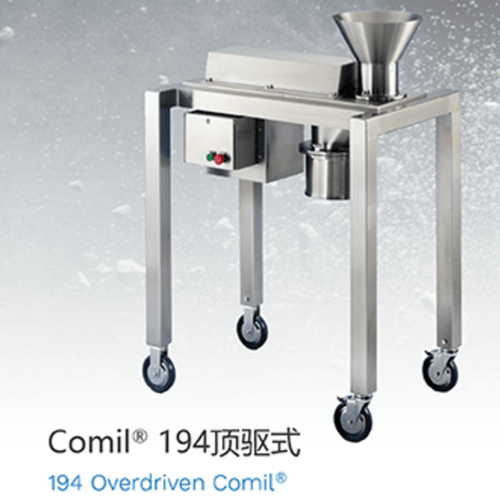
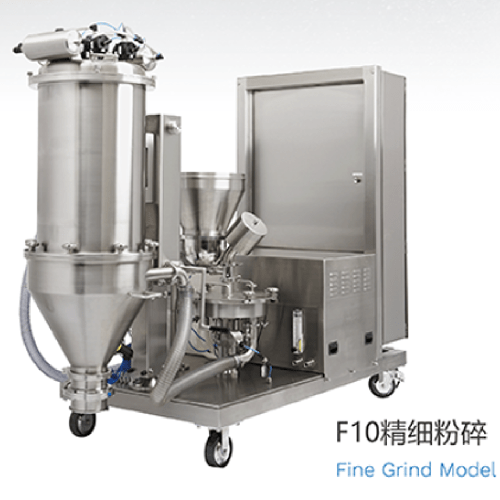
Compacting is a fundamental industrial process that transforms loose, granular, or powdered materials into dense, solid forms through the application of mechanical pressure. This process plays a critical role across a wide range of manufacturing and construction industries, enabling producers to achieve precise material densities, improved structural integrity, and consistent product quality. At its core, compacting works by reducing the void spaces between particles, forcing them together until they bond or interlock under pressure, heat, or a combination of both. The result is a material that is stronger, more uniform, and easier to handle, transport, or process further. Modern compacting technology has evolved significantly, incorporating advanced hydraulic systems, programmable logic controllers, and precision sensors that allow operators to monitor and adjust pressure, speed, and cycle time in real time. These technological features ensure that every batch meets exact specifications, reducing waste and improving overall production efficiency. Compacting machines come in a variety of configurations, including roller compactors, tablet presses, jaw compactors, and vibratory plate compactors, each designed to handle specific materials and output requirements. In the pharmaceutical industry, compacting is used to produce tablets and capsules with consistent dosage and dissolution rates. In metallurgy, powder compacting creates near-net-shape metal components that require minimal post-processing. The construction sector relies on soil and asphalt compacting to build stable foundations, roads, and embankments that can withstand heavy loads over time. Recycling operations use compacting to reduce the volume of waste materials such as cardboard, plastics, and metals, making storage and transportation far more cost-effective. Food processing facilities apply compacting techniques to produce pellets, briquettes, and compressed food products with extended shelf life. The versatility of compacting technology makes it indispensable in modern manufacturing, offering solutions that improve product quality, reduce material costs, and support sustainable production practices across virtually every industrial sector.


New Product Recommendations

Compacting delivers a set of practical, real-world benefits that make a measurable difference for businesses of all sizes. Whether you run a manufacturing plant, a construction company, or a recycling facility, investing in compacting equipment pays off in ways you can see and measure from day one. First, compacting dramatically reduces material volume. When you compress loose materials into dense blocks, bales, or pellets, you cut down the space needed for storage and transportation. This means fewer trips to move materials, lower freight costs, and more efficient use of your warehouse or yard space. For recycling operations, this single benefit alone can translate into thousands of dollars saved every year. Second, compacting improves product consistency. Manual handling and loose material storage introduce variability that can compromise quality. Compacting removes that variability by applying uniform pressure across every batch. In pharmaceutical manufacturing, this means every tablet contains the exact right dose. In food production, it means every pellet has the same density and moisture content. Consistent products reduce customer complaints, minimize returns, and protect your brand reputation. Third, compacting speeds up your production line. Modern compacting machines operate at high cycle rates and integrate seamlessly with upstream and downstream equipment. Automated feeding systems, real-time monitoring, and quick-change tooling mean less downtime and faster changeovers between product runs. Your team spends less time adjusting equipment and more time producing output. Fourth, compacting reduces raw material waste. By compressing materials to precise densities, you use every gram of input more efficiently. Scrap rates drop, and the need for rework decreases. Over a full production year, this adds up to significant cost savings that go straight to your bottom line. Fifth, compacting supports your sustainability goals. Denser materials take up less landfill space, require less packaging, and generate a smaller carbon footprint during transport. Many businesses find that adopting compacting technology helps them meet environmental regulations and qualify for green certifications that open doors to new markets and customers. Sixth, compacting extends equipment and product life. Compacted materials are more stable and less prone to degradation during storage. Metal powder components produced through compacting resist corrosion and wear better than cast alternatives. Road surfaces built with properly compacted asphalt last longer and require less maintenance, saving public and private infrastructure budgets over the long term. Finally, compacting is scalable. Whether you need a small benchtop unit for laboratory work or a high-capacity industrial line for continuous production, there is a compacting solution sized for your operation. As your business grows, you can upgrade or add capacity without redesigning your entire workflow. The combination of cost savings, quality improvements, sustainability benefits, and operational flexibility makes compacting one of the smartest investments any production-focused business can make.

Latest News

What are cardboard packing boxes and how do they work?

25

May

What are cardboard packing boxes and how do they work?

When businesses and individuals need a reliable, cost-effective, and versatile solution for protecting goods during storage or transit, cardboard packing boxes consistently emerge as the go-to choice. These containers are constructed from layers of p...
View More
How do packaging machine components work together?

25

May

How do packaging machine components work together?

Understanding how packaging machine components interact is fundamental to running efficient, reliable production lines. Every element within a packaging system—from the feeding mechanism to the sealing unit—is engineered to perform a prec...
View More
What is Press Tooling and How Does It Work in Manufacturing?

25

May

What is Press Tooling and How Does It Work in Manufacturing?

In modern manufacturing, precision, repeatability, and efficiency are not optional — they are the foundation of competitive production. Press Tooling sits at the heart of this foundation, enabling manufacturers across industries to form, cut, s...
View More
How Does Blister Packing Tooling Improve Production Speed?

25

May

How Does Blister Packing Tooling Improve Production Speed?

In high-volume pharmaceutical and consumer goods manufacturing, every second on the production line carries real cost. When facilities look for ways to accelerate output without compromising quality, the conversation almost always returns to the same...
View More

Get a Free Quote

Our representative will contact you soon.
Email
Name
Company Name
Message
0/1000

compacting

Precision Engineering for Consistent, High-Quality Output

Precision Engineering for Consistent, High-Quality Output

One of the most compelling reasons businesses choose advanced compacting equipment is the unmatched level of precision it brings to the production floor. In any manufacturing environment, consistency is not just a quality metric, it is a competitive advantage. When your products meet exact specifications every single time, you build trust with customers, reduce the cost of quality control, and eliminate the expensive cycle of rework and rejection that plagues less controlled processes. Modern compacting machines are engineered with this precision in mind from the ground up. High-resolution pressure sensors continuously monitor the force applied during each compacting cycle, feeding data to programmable logic controllers that make micro-adjustments in real time. This closed-loop control system ensures that whether you are producing the first unit of the day or the ten-thousandth, the density, hardness, and dimensional accuracy of your compacted product remain within the tightest tolerances. The tooling used in compacting equipment is manufactured to exacting standards, with hardened steel dies and punches that maintain their geometry through millions of cycles. Quick-change tooling systems allow operators to switch between product formats in minutes rather than hours, keeping your line productive and responsive to changing demand. For industries like pharmaceuticals, where regulatory agencies require documented proof of process consistency, this level of control is not optional, it is essential. Compacting systems in these environments integrate with data logging and batch record software, automatically capturing every process parameter for audit trails and compliance reporting. In powder metallurgy, precision compacting produces near-net-shape components that require minimal machining, reducing material waste and cutting production costs significantly. The ability to compact metal powders to precise densities also allows engineers to tailor the mechanical properties of finished parts, optimizing strength, porosity, and conductivity for specific applications. Even in less regulated industries, the precision of modern compacting technology translates directly into better products and lower costs. When you can trust your process, you can reduce inspection frequency, run leaner inventories, and respond faster to customer orders. Precision compacting is not just about making good parts, it is about building a production system that performs reliably day after day, giving your business the foundation it needs to grow.
Significant Cost Reduction Through Material and Space Efficiency

Significant Cost Reduction Through Material and Space Efficiency

Compacting technology delivers some of its most tangible value through the dramatic reductions it achieves in material costs and space requirements. For any business dealing with bulk materials, powders, or waste streams, the economics of compacting are straightforward and compelling. Loose materials are inherently inefficient. They take up more space than their actual mass warrants, they are harder to handle and transport, and they are more susceptible to contamination, moisture absorption, and degradation during storage. Compacting addresses all of these issues simultaneously by transforming loose material into dense, stable, manageable forms. The space savings alone justify the investment for many operations. A bale of compacted cardboard or plastic occupies a fraction of the volume of the same material in loose form. This means your storage area can hold far more material, your transport vehicles carry more per trip, and your facility operates more efficiently without the need for costly expansion. Recycling companies that adopt compacting equipment routinely report reductions in transport costs of forty percent or more, simply because they can fit more material into each load. Material efficiency is equally important. In powder processing and pharmaceutical manufacturing, compacting ensures that every gram of expensive raw material is used productively. The precision of modern compacting equipment minimizes the amount of material lost to dust, spillage, or off-spec product. When you are working with high-value materials like active pharmaceutical ingredients or specialty metal powders, even small improvements in material yield translate into substantial financial savings. Compacting also reduces the cost of packaging. Dense, compacted products require less packaging material to protect them during storage and transit. They stack more efficiently on pallets, reducing the number of pallets needed and the associated handling costs. Over a full year of production, these incremental savings accumulate into a significant reduction in operating expenses. Energy efficiency is another dimension of cost reduction that compacting delivers. Modern compacting machines are designed with energy recovery systems, variable-speed drives, and optimized hydraulic circuits that minimize power consumption without sacrificing output. Compared to older equipment or alternative processing methods, contemporary compacting systems can reduce energy costs by a meaningful margin while maintaining or improving throughput. The financial case for compacting is clear: lower transport costs, better material yield, reduced packaging expenses, and lower energy bills combine to deliver a return on investment that most operations achieve within the first two years of deployment.
Versatile Applications Across Diverse Industries and Material Types

Versatile Applications Across Diverse Industries and Material Types

The true strength of compacting technology lies in its remarkable versatility. Few industrial processes can claim relevance across as many different sectors and material types as compacting, and this breadth of application is a direct reflection of the fundamental value the process delivers. At its most basic level, compacting is about taking something that is loose, bulky, or difficult to handle and transforming it into something dense, stable, and useful. That simple principle applies equally well whether you are making pharmaceutical tablets, building a highway, processing scrap metal, or producing animal feed. In the construction industry, compacting is the foundation of every durable structure. Soil compacting ensures that the ground beneath buildings, roads, and bridges can support the loads placed on it without settling or shifting. Asphalt compacting creates smooth, durable road surfaces that resist cracking and rutting under heavy traffic. Without proper compacting, even the best-designed structures would fail prematurely, making this process a non-negotiable step in any serious construction project. The pharmaceutical and nutraceutical industries depend on compacting to produce tablets, capsules, and granules with precise dosage, consistent dissolution profiles, and long shelf life. Dry granulation through roller compacting is a preferred method for processing moisture-sensitive active ingredients that cannot withstand wet granulation processes. This makes compacting not just a manufacturing convenience but a technical necessity for certain drug formulations. In the recycling and waste management sector, compacting is the key to making operations economically viable. Compacting machines reduce the volume of cardboard, paper, plastics, metals, and other recyclables to a fraction of their original size, enabling efficient collection, storage, and transport. This volume reduction is what makes recycling financially sustainable at scale, turning what would otherwise be a costly waste stream into a manageable and often profitable resource. The food and agriculture industries use compacting to produce pelletized feed, compressed food products, and biomass briquettes. Compacted feed pellets are easier to store, less prone to spoilage, and more efficiently consumed by livestock than loose grain or meal. Biomass briquettes produced through compacting offer a dense, clean-burning fuel source that supports renewable energy initiatives. Across all these applications, the common thread is that compacting adds value by improving the physical properties, handling characteristics, and economic profile of the materials it processes. This versatility makes compacting equipment a strategic asset for any business that works with bulk materials, regardless of the specific industry or application.

Get a Free Quote

Our representative will contact you soon.
Email
Name
Company Name
Message
0/1000