Professional Punching Services and Equipment - Precision Metal Fabrication Solutions

Get a Free Quote

Our representative will contact you soon.
Email
Name
Company Name
Message
0/1000

punching

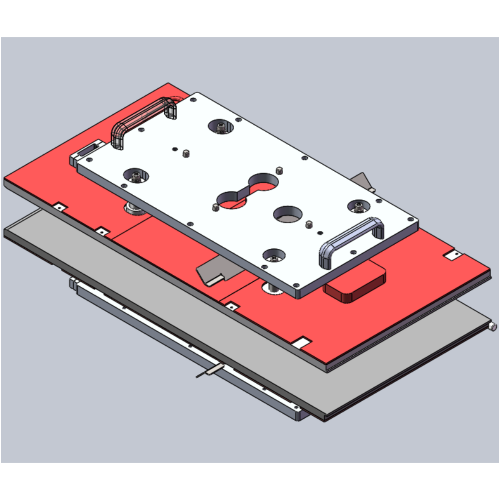
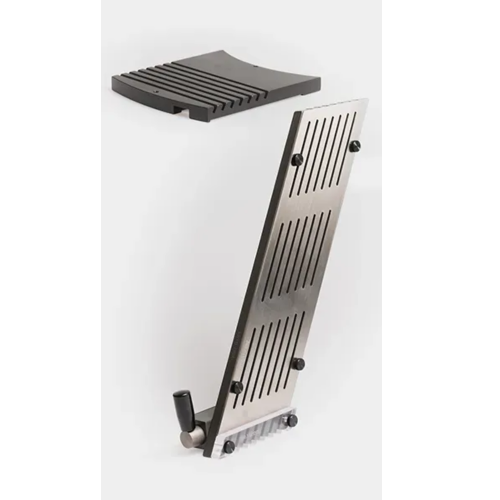
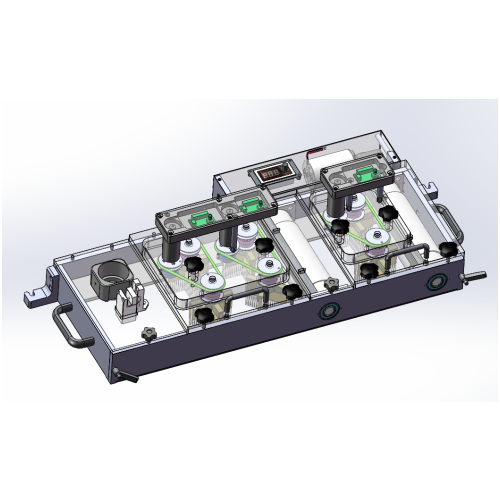
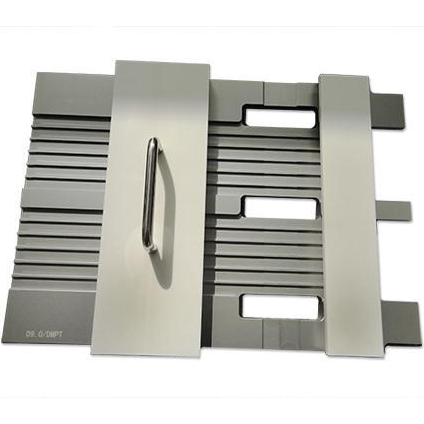
Punching is a fundamental metalworking process that has revolutionized modern manufacturing across countless industries worldwide. This essential fabrication technique involves forcing a tool called a punch through sheet metal or other workpiece materials to create holes, slots, or specific shapes with remarkable precision and efficiency. The punching operation utilizes specialized machinery equipped with punches and dies that work together in a coordinated manner to shear material cleanly and accurately. At its core, punching represents one of the most cost-effective and rapid methods for creating openings and patterns in metal sheets, plastic components, and various other materials used in manufacturing environments. The main functions of punching extend far beyond simple hole creation, encompassing complex operations such as notching, lancing, perforating, nibbling, and forming operations that add dimensional features to flat materials. Technologically, modern punching systems incorporate advanced features including CNC control systems that enable programmers to input precise coordinates and sequencing instructions, ensuring repeatable accuracy across production runs. Hydraulic and mechanical drive systems provide the necessary force to penetrate materials ranging from thin aluminum sheets to thick steel plates, with tonnage capabilities varying from small desktop units to industrial machines exceeding 200 tons of force. Contemporary punching equipment often features automatic tool changers that can switch between different punch and die combinations without manual intervention, dramatically reducing setup times and increasing operational flexibility. Servo-driven punching machines offer variable speed control and programmable stroke lengths, optimizing the process for different material types and thicknesses while minimizing noise and energy consumption. The applications of punching span virtually every manufacturing sector, including automotive component production, HVAC system fabrication, electrical enclosure manufacturing, appliance construction, furniture making, and architectural metalwork. In the electronics industry, punching creates precise chassis openings and ventilation patterns, while in construction, it produces structural components and fastening holes with consistent quality across thousands of identical parts.


New Product Recommendations

The advantages of punching technology deliver tangible benefits that directly impact your production efficiency, cost management, and product quality in ways that matter to your bottom line. First and foremost, punching offers exceptional speed compared to alternative methods like drilling or laser cutting, with modern machines capable of creating hundreds of holes per minute, dramatically reducing cycle times and increasing throughput in high-volume manufacturing scenarios. This speed advantage translates directly into labor cost savings, as operators can produce more finished parts during each shift without sacrificing quality or precision. The process requires minimal material waste since punching removes only the specific material needed for each feature, unlike machining operations that generate substantial scrap through cutting and milling actions. You will appreciate the consistency and repeatability that punching provides, ensuring every part matches exact specifications without variation between the first and thousandth piece produced. This reliability eliminates costly quality control issues and reduces rejection rates that drain profitability. Punching equipment demonstrates remarkable versatility, handling diverse materials including steel, aluminum, copper, brass, plastic, and composite materials with simple tooling changes rather than requiring entirely different machinery. The lower initial investment compared to laser cutting systems makes punching accessible to small and medium enterprises, while the reduced operational costs from lower energy consumption and minimal consumables provide ongoing financial advantages. Maintenance requirements remain straightforward, with durable tooling lasting thousands of cycles before replacement becomes necessary, and simple mechanical components that technicians can service without specialized training. The punching process generates clean, burr-free edges in most applications, reducing or eliminating secondary deburring operations that add time and cost to production workflows. Environmental considerations favor punching as well, since the process produces no fumes, gases, or hazardous waste streams associated with thermal cutting methods, creating safer working conditions for operators and simplifying regulatory compliance. Setup times for new jobs remain minimal, particularly with quick-change tooling systems that allow rapid transitions between different part configurations. The compact footprint of punching machines maximizes valuable floor space utilization, fitting into existing production layouts without requiring extensive facility modifications. Finally, the straightforward operation of punching equipment reduces training time for new operators, allowing you to maintain productivity even with workforce changes and minimizing dependency on highly specialized technicians.

Practical Tips

What are cardboard packing boxes and how do they work?

25

May

What are cardboard packing boxes and how do they work?

When businesses and individuals need a reliable, cost-effective, and versatile solution for protecting goods during storage or transit, cardboard packing boxes consistently emerge as the go-to choice. These containers are constructed from layers of p...
View More
What is Press Tooling and How Does It Work in Manufacturing?

25

May

What is Press Tooling and How Does It Work in Manufacturing?

In modern manufacturing, precision, repeatability, and efficiency are not optional — they are the foundation of competitive production. Press Tooling sits at the heart of this foundation, enabling manufacturers across industries to form, cut, s...
View More
How Does Blister Packing Tooling Improve Production Speed?

25

May

How Does Blister Packing Tooling Improve Production Speed?

In high-volume pharmaceutical and consumer goods manufacturing, every second on the production line carries real cost. When facilities look for ways to accelerate output without compromising quality, the conversation almost always returns to the same...
View More
Which Materials Work Best with Blister Packing Tooling?

25

May

Which Materials Work Best with Blister Packing Tooling?

Selecting the right material for Blister Packing Tooling is one of the most consequential decisions a pharmaceutical or consumer goods manufacturer can make. The material determines not only how well the tooling performs during forming, sealing, and ...
View More

Get a Free Quote

Our representative will contact you soon.
Email
Name
Company Name
Message
0/1000

punching

Precision Control Through Advanced CNC Integration

Precision Control Through Advanced CNC Integration

Modern punching systems achieve extraordinary precision through sophisticated CNC integration that transforms traditional mechanical operations into digitally controlled manufacturing powerhouses capable of executing complex patterns with micron-level accuracy. The computer numerical control interface allows operators to program intricate hole patterns, custom shapes, and multi-step sequences using intuitive software platforms that eliminate manual positioning errors and human inconsistencies from the production equation. This technological advancement means that punching machines can now interpret CAD files directly, converting engineering drawings into executable tool paths without intermediate translation steps that introduce potential mistakes. The CNC controller manages every aspect of the punching cycle, including punch positioning along X and Y axes with servo motors providing positional accuracy within 0.001 inches, stroke timing to optimize material penetration characteristics, and rapid traverse speeds that minimize non-productive time between hits. Operators benefit from touchscreen interfaces that display real-time process parameters, allowing immediate adjustments to accommodate material variations or design modifications without stopping production. The digital control system stores unlimited program files in memory, enabling quick recall of previous jobs and eliminating setup time for repeat orders that might occur weeks or months apart. Advanced punching equipment incorporates adaptive control features that automatically adjust punching parameters based on feedback from force sensors and position encoders, compensating for tool wear, material hardness variations, and temperature effects that would otherwise compromise dimensional accuracy. The precision capabilities extend to angle punching operations where the CNC system coordinates rotary axis movements with linear positioning, creating angled holes and features that previously required multiple setups or secondary operations. Quality assurance becomes inherent in the process rather than a separate inspection step, as the CNC system verifies that each punch cycle completes successfully and flags any anomalies for operator attention before defective parts progress through production. This level of control proves particularly valuable in industries with stringent tolerance requirements such as aerospace, medical device manufacturing, and precision instrumentation where dimensional deviations measured in thousandths of an inch can render components unusable. The data logging capabilities of CNC punching systems provide complete traceability, recording every operation performed on each part with timestamps and parameter values that satisfy quality management system requirements and support continuous improvement initiatives through statistical process analysis.
Rapid Tool Changing Systems Maximize Operational Flexibility

Rapid Tool Changing Systems Maximize Operational Flexibility

The implementation of automatic tool changing systems in contemporary punching equipment represents a quantum leap in operational flexibility that empowers manufacturers to handle diverse product portfolios without the productivity penalties traditionally associated with setup changes and tooling modifications. These sophisticated mechanisms house multiple punch and die sets in carousel-style magazines or linear tool racks positioned adjacent to the working area, with robotic selection systems that retrieve required tooling combinations and install them in the punching station within seconds rather than the minutes or hours needed for manual changeovers. This capability fundamentally alters production economics by making small batch runs and custom orders financially viable, eliminating the pressure to manufacture large quantities of identical parts simply to amortize setup costs across sufficient volume. Manufacturers gain the agility to respond quickly to customer requests for design changes, prototype iterations, or rush orders without disrupting scheduled production or incurring prohibitive changeover expenses. The tool storage capacity of modern systems ranges from a dozen stations in compact machines to over one hundred positions in large industrial centers, providing access to comprehensive tooling libraries that cover standard round holes from tiny pilot holes to large diameter openings, plus rectangular slots, obround shapes, custom profiles, and forming tools that create embossments, louvers, or countersinks in single hits. The automatic selection logic embedded in the CNC program optimizes tool usage by grouping operations that share common tooling, minimizing the number of changes required during part production and maximizing the efficiency of each tool station. Tool life monitoring systems track the number of hits executed by each punch, comparing actual usage against predetermined maintenance intervals and alerting operators when tools approach replacement thresholds, preventing unexpected breakage that could damage workpieces or machine components. The quick-change tooling interfaces employ precision-ground locating features and robust clamping mechanisms that ensure perfect alignment and secure retention even under high impact loads, maintaining positional accuracy across thousands of tool changes without degradation. This technological sophistication extends to specialty applications where heated punches facilitate clean cutting of plastics, or where multiple punches operate simultaneously to create complex patterns in single machine cycles. The flexibility advantage proves invaluable in industries characterized by high product variety such as custom enclosure fabrication, where each customer order may specify unique hole patterns, ventilation grids, or mounting provisions that differ from every other project in the production queue.
Material Versatility Across Thickness and Type Ranges

Material Versatility Across Thickness and Type Ranges

The exceptional material versatility of punching technology enables manufacturers to process an extraordinarily diverse range of materials and thickness specifications using a single machine platform, eliminating the need for multiple specialized systems and maximizing capital equipment utilization across varied production requirements. This adaptability stems from the fundamental mechanical advantage of the punching process combined with sophisticated tonnage control systems that deliver precisely calibrated force appropriate to each material's unique characteristics and resistance properties. Punching machines confidently handle common materials including cold-rolled steel, hot-rolled steel, stainless steel in various alloys, aluminum sheets and plates, copper and brass components, galvanized materials, and pre-painted or coated stocks without damaging surface finishes. The thickness range capability spans from delicate foils measuring just 0.020 inches through heavy plate materials exceeding 0.500 inches thick, with tonnage ratings selected to match the maximum material resistance expected in typical applications. Advanced machines incorporate material sensing technology that identifies workpiece thickness through position feedback and automatically adjusts punching parameters including approach speed, penetration velocity, and retraction timing to optimize results for each specific condition. This intelligent adaptation prevents common problems such as material distortion in thin gauges where excessive force causes warping, or incomplete penetration in thick materials where insufficient energy fails to achieve clean shearing. The versatility extends beyond metals to encompass engineering plastics, composite laminates, gasket materials, and multi-layer assemblies where different materials bond together, applications that challenge alternative fabrication methods but yield readily to properly configured punching operations. Manufacturers appreciate this flexibility when product lines evolve or customer specifications change, as existing equipment adapts to new requirements through tooling selection and parameter adjustment rather than necessitating capital investment in different technology platforms. The economic implications prove substantial, particularly for job shops and contract manufacturers serving diverse industries where material specifications vary dramatically between projects. A single punching system equipped with appropriate tooling inventory can transition seamlessly from fabricating thin aluminum electrical boxes to thick steel structural brackets, from perforated copper grounding plates to plastic equipment panels, maximizing equipment utilization rates and return on investment while maintaining the responsiveness customers demand in competitive markets.

Get a Free Quote

Our representative will contact you soon.
Email
Name
Company Name
Message
0/1000