Premium Packaging Machinery Solutions - Advanced Automated Systems for Efficient Production

Get a Free Quote

Our representative will contact you soon.
Email
Name
Company Name
Message
0/1000

packaging machinery

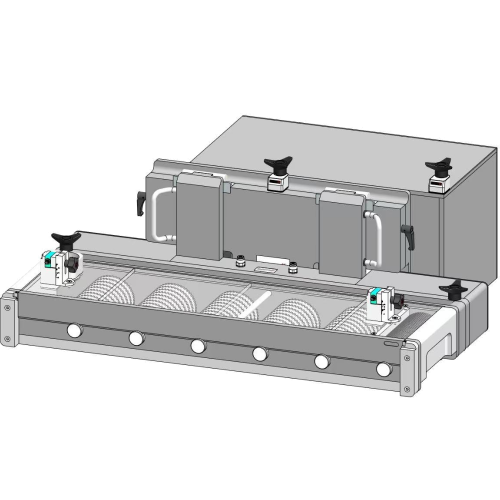
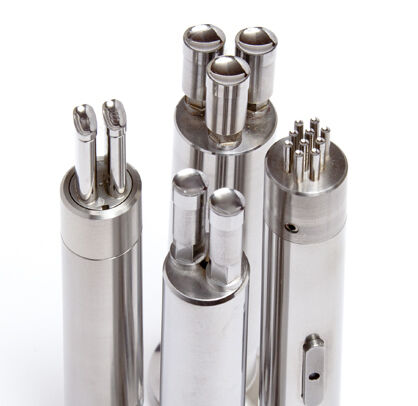
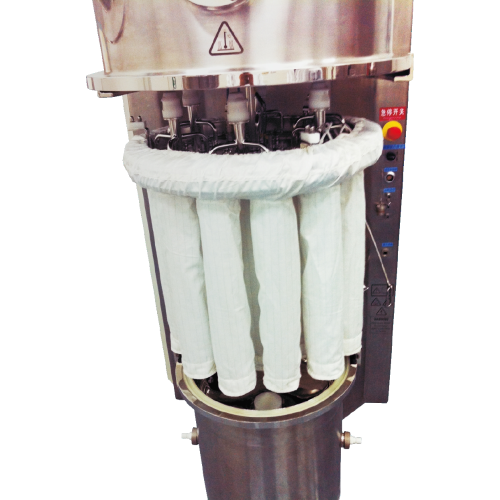
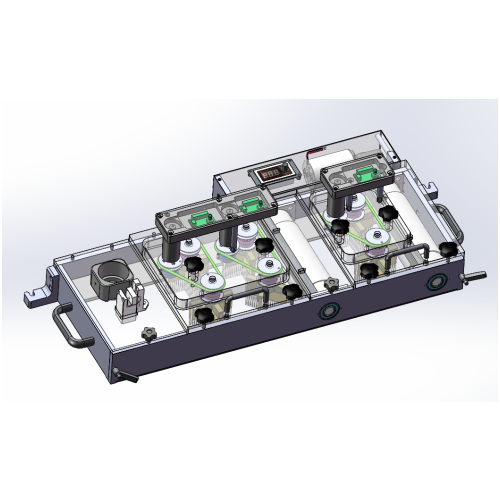
Packaging machinery represents essential industrial equipment designed to automate and streamline the process of preparing products for distribution and sale. These sophisticated systems handle multiple tasks including wrapping, sealing, labeling, and boxing items with precision and consistency. Modern packaging machinery integrates advanced technologies such as programmable logic controllers, servo motors, and touchscreen interfaces to deliver reliable performance across diverse manufacturing environments. The primary functions of packaging machinery encompass product feeding, forming, filling, sealing, coding, and palletizing operations. These machines accommodate various packaging formats including bags, pouches, cartons, bottles, blister packs, and shrink-wrapped bundles. Technological features incorporated into contemporary packaging machinery include automated changeover capabilities that minimize downtime when switching between different product sizes or packaging styles. Sensor-based quality control systems continuously monitor packaging integrity, detecting defects such as improper seals, incorrect fill levels, or misaligned labels. Variable speed drives enable operators to adjust production rates according to demand fluctuations while maintaining consistent output quality. The applications of packaging machinery span numerous industries including food and beverage, pharmaceuticals, cosmetics, consumer goods, and industrial products. In food processing facilities, packaging machinery maintains hygiene standards while extending shelf life through modified atmosphere packaging and vacuum sealing technologies. Pharmaceutical manufacturers rely on specialized packaging machinery to ensure tamper-evident sealing and precise dosage containment that comply with stringent regulatory requirements. The versatility of modern packaging machinery allows manufacturers to respond quickly to market trends, accommodate custom packaging designs, and maintain competitive production costs. Integration capabilities enable packaging machinery to connect seamlessly with upstream production equipment and downstream material handling systems, creating fully automated production lines that maximize efficiency and minimize labor requirements.


New Products

Investing in modern packaging machinery delivers substantial operational improvements that directly impact your bottom line. First and foremost, automation significantly increases production speed compared to manual packaging methods, enabling your facility to meet growing demand without proportionally increasing labor costs. These machines operate continuously with minimal supervision, processing hundreds or thousands of units per hour depending on the specific model and application. This enhanced throughput capability allows businesses to fulfill larger orders, reduce lead times, and capture additional market opportunities that would be impossible with manual operations. The consistency achieved through automated packaging machinery eliminates the variability inherent in human performance, ensuring every package meets exact specifications for weight, dimensions, and appearance. This uniformity strengthens brand reputation and reduces customer complaints related to packaging defects or inconsistencies. Quality control features built into packaging machinery detect and reject defective units before they reach distribution channels, protecting your brand image and minimizing costly recalls. Labor efficiency represents another compelling advantage, as packaging machinery reduces the number of workers required for packaging operations while simultaneously improving workplace safety by eliminating repetitive manual tasks that often lead to injuries. Employees can be reassigned to higher-value activities such as quality assurance, equipment maintenance, or process optimization rather than performing monotonous packaging tasks. Material waste reduction constitutes a significant economic benefit, as precise dispensing and cutting mechanisms ensure optimal use of packaging materials without excess consumption. Advanced systems calculate exact material requirements for each package, minimizing trim waste and reducing material costs over time. Flexibility in handling multiple product types and package sizes without extensive reconfiguration allows manufacturers to diversify their product offerings and respond rapidly to changing consumer preferences. Quick changeover features enable production runs of different items within the same shift, supporting just-in-time manufacturing strategies and reducing inventory carrying costs. The data collection capabilities embedded in modern packaging machinery provide valuable insights into production efficiency, downtime causes, and maintenance requirements, empowering managers to make informed decisions about process improvements and capacity planning. Energy-efficient designs reduce utility consumption compared to older equipment, contributing to sustainability goals while lowering operating expenses. The return on investment for packaging machinery typically materializes within months through combined savings in labor, materials, and improved productivity, making it a financially sound decision for growing businesses seeking competitive advantages in their markets.

Latest News

What is Press Tooling and How Does It Work in Manufacturing?

25

May

What is Press Tooling and How Does It Work in Manufacturing?

In modern manufacturing, precision, repeatability, and efficiency are not optional — they are the foundation of competitive production. Press Tooling sits at the heart of this foundation, enabling manufacturers across industries to form, cut, s...
View More
How Does Press Tooling Design Impact Production Efficiency?

25

May

How Does Press Tooling Design Impact Production Efficiency?

In high-volume manufacturing environments, the design of Press Tooling is one of the most consequential engineering decisions a production team can make. From cycle time to scrap rate, from die longevity to operator safety, the geometry, material sel...
View More
How Does Press Tooling Quality Affect Final Product Results?

25

May

How Does Press Tooling Quality Affect Final Product Results?

In precision manufacturing, the quality of Press Tooling is one of the most consequential variables in determining whether a final product meets its dimensional, structural, and aesthetic specifications. Every stamped, formed, or punched component th...
View More
How Does Blister Packing Tooling Improve Production Speed?

25

May

How Does Blister Packing Tooling Improve Production Speed?

In high-volume pharmaceutical and consumer goods manufacturing, every second on the production line carries real cost. When facilities look for ways to accelerate output without compromising quality, the conversation almost always returns to the same...
View More

Get a Free Quote

Our representative will contact you soon.
Email
Name
Company Name
Message
0/1000

packaging machinery

Advanced Automation Technology Enhances Production Efficiency

Advanced Automation Technology Enhances Production Efficiency

The integration of cutting-edge automation technology within packaging machinery fundamentally transforms production capabilities for manufacturers across all industries. Sophisticated programmable logic controllers serve as the intelligent core of these systems, coordinating multiple mechanical components with microsecond precision to achieve seamless operation throughout the packaging process. These controllers execute complex sequences that manage product feeding, positioning, wrapping, sealing, and discharge functions while continuously monitoring sensor inputs to maintain optimal performance parameters. Servo-driven actuators provide exceptional motion control, enabling rapid acceleration and deceleration that maximizes cycle speeds without compromising accuracy or package integrity. The precision offered by servo technology ensures consistent seal pressure, accurate fill volumes, and proper label placement regardless of production speed or environmental conditions. Human-machine interfaces featuring intuitive touchscreen displays simplify operator interaction with packaging machinery, allowing personnel with minimal technical training to monitor performance metrics, adjust settings, and troubleshoot issues efficiently. Recipe management systems store parameters for different products and packaging configurations, enabling operators to switch between production runs with simple menu selections rather than manual adjustments that consume valuable production time. Vision systems equipped with high-resolution cameras inspect packages in real-time, verifying correct label application, readable date codes, and proper seal formation at speeds exceeding human visual capabilities. These automated inspection capabilities eliminate subjective quality judgments and ensure consistent standards across all shifts and production batches. Predictive maintenance algorithms analyze vibration patterns, temperature fluctuations, and performance trends to forecast component wear before failures occur, scheduling maintenance activities during planned downtime rather than responding to unexpected breakdowns that disrupt production schedules. Network connectivity enables packaging machinery to communicate with enterprise resource planning systems, automatically updating inventory records, production counts, and material consumption data without manual data entry. This seamless information flow provides management with real-time visibility into operations, supporting data-driven decision making and continuous improvement initiatives that enhance overall equipment effectiveness and manufacturing competitiveness in demanding market environments.
Versatile Design Accommodates Diverse Packaging Requirements

Versatile Design Accommodates Diverse Packaging Requirements

The remarkable versatility built into modern packaging machinery enables manufacturers to address varied packaging needs with a single equipment investment rather than maintaining separate specialized machines for different product lines. Modular construction principles allow these systems to be configured with interchangeable components that adapt to different package formats, sizes, and materials without requiring complete equipment replacement. Tool-free changeover mechanisms enable operators to swap filling nozzles, sealing jaws, or forming stations in minutes rather than hours, dramatically reducing the transition time between production runs and maximizing productive capacity. Adjustable framework designs accommodate package dimensions ranging from small sachets to large cartons through simple mechanical adjustments or motorized positioning systems controlled through the operator interface. This scalability proves particularly valuable for businesses experiencing growth or seasonal demand variations, as the same packaging machinery can handle increased volumes or product diversification without capital expenditure on additional equipment. Material compatibility represents another dimension of versatility, with packaging machinery engineered to process various substrates including flexible films, rigid plastics, paperboard, aluminum foil, and composite laminates that each require different handling characteristics and sealing techniques. Temperature control systems automatically adjust heat levels based on material properties, ensuring optimal seals across different packaging films without operator intervention or trial-and-error adjustments. The ability to integrate auxiliary equipment such as cartoners, case packers, or palletizers creates comprehensive packaging lines that transform raw materials into finished, shipping-ready products through coordinated automation. Customization options allow packaging machinery to incorporate specialized features for unique applications such as modified atmosphere flushing for perishable foods, desiccant insertion for moisture-sensitive products, or tamper-evident banding for pharmaceutical compliance. Format flexibility extends to decorative and informational elements, with packaging machinery capable of applying various label types, printing variable data, or embossing patterns that enhance product differentiation on retail shelves. This adaptability future-proofs capital investments by ensuring packaging machinery remains relevant as product portfolios evolve, consumer preferences shift, or regulatory requirements change, providing long-term value that extends well beyond the initial implementation period and supporting sustainable business growth strategies.
Robust Construction Ensures Reliable Long-Term Performance

Robust Construction Ensures Reliable Long-Term Performance

Superior engineering and quality construction distinguish premium packaging machinery from economy alternatives, delivering reliability that directly translates to consistent production output and minimized unplanned downtime. Manufacturers of professional-grade packaging machinery utilize industrial-grade components selected specifically for their durability under continuous operation in demanding production environments. Heavy-duty stainless steel frames provide structural rigidity that maintains precise alignment of mechanical components despite constant vibration and movement inherent in high-speed packaging operations. Corrosion-resistant materials ensure longevity even in facilities processing food products, beverages, or chemicals that create harsh atmospheric conditions with moisture, temperature extremes, or chemical exposure. Sealed bearing assemblies protect critical rotating components from contamination by dust, product particles, or cleaning solutions, extending service intervals and reducing maintenance requirements compared to exposed mechanisms found in less sophisticated designs. Premium-quality pneumatic cylinders, valves, and fittings sourced from reputable manufacturers deliver consistent performance through millions of cycles, while oversized air preparation equipment ensures clean, dry compressed air reaches all pneumatic components regardless of variations in facility air quality. Electrical components including motors, drives, and control panels feature IP-rated enclosures that protect sensitive electronics from environmental hazards while facilitating cooling to prevent thermal degradation during extended production runs. Comprehensive safety features built into packaging machinery protect operators from mechanical hazards through interlocked guards, emergency stop systems, and light curtains that halt machine motion when safety zones are breached. Thoughtful design considerations such as tool-free access panels, color-coded adjustment points, and clearly labeled maintenance locations simplify routine servicing and reduce the technical expertise required for basic care, allowing facility maintenance personnel to handle most tasks without specialized contractor support. Extensive factory testing validates packaging machinery performance before shipment, with manufacturers conducting prolonged run trials that simulate years of operation to identify potential weaknesses and verify specifications under realistic conditions. Comprehensive documentation packages including operation manuals, maintenance schedules, electrical schematics, and spare parts lists ensure operators and technicians have the information necessary to maintain peak performance throughout the equipment lifecycle. Manufacturer support including training programs, technical hotlines, and readily available replacement components provides ongoing assistance that maximizes uptime and preserves the substantial capital investment represented by professional packaging machinery installations.

Get a Free Quote

Our representative will contact you soon.
Email
Name
Company Name
Message
0/1000