Professional Tooling Solutions for Precision Manufacturing and Production Efficiency

Get a Free Quote

Our representative will contact you soon.
Email
Name
Company Name
Message
0/1000

tooling

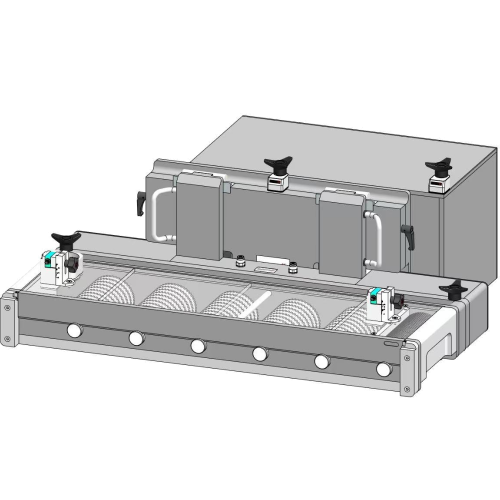
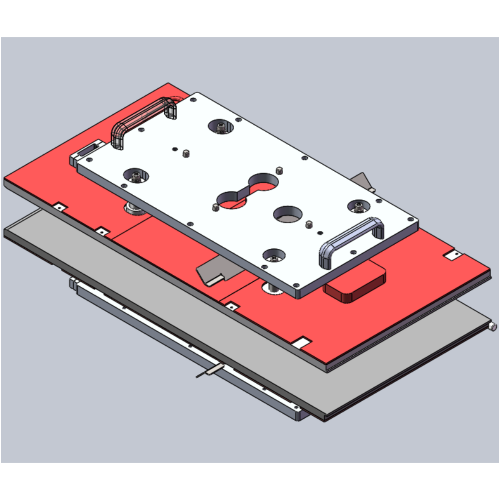
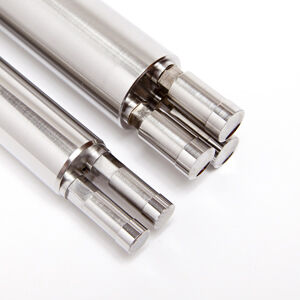
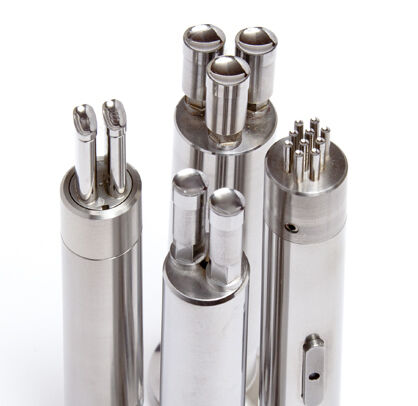
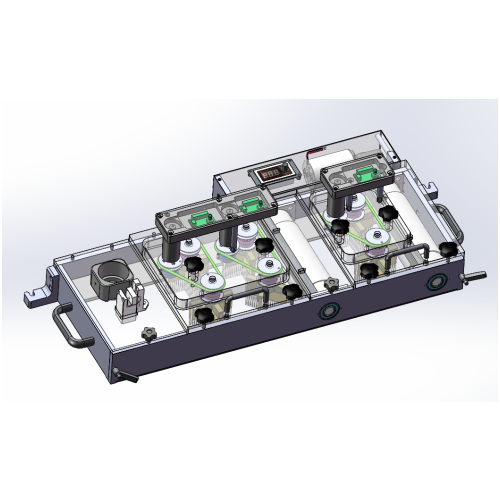
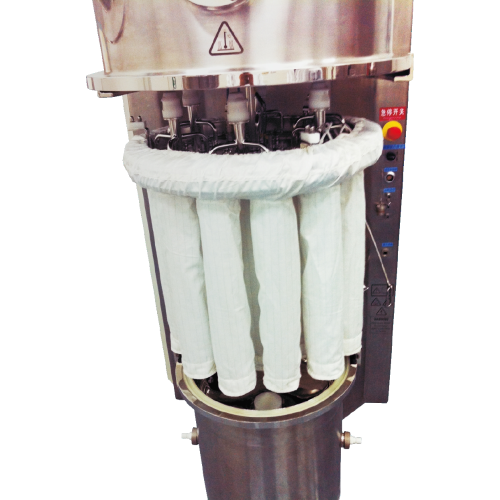
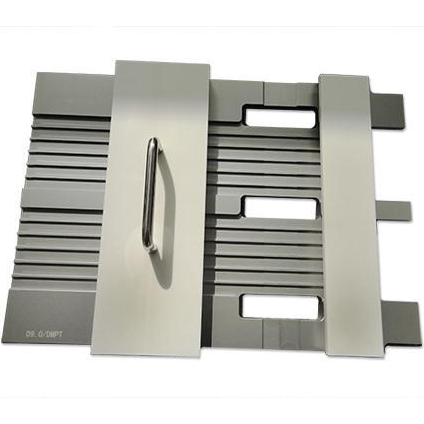
Tooling represents a critical component in modern manufacturing and production environments, serving as the backbone for creating precision parts and components across numerous industries. This sophisticated system encompasses various equipment, dies, molds, jigs, fixtures, and cutting instruments that enable manufacturers to shape, form, cut, and assemble materials into finished products. The primary function of tooling lies in its ability to transform raw materials into specific shapes and configurations with remarkable accuracy and repeatability. Advanced tooling systems integrate computer numerical control technology, allowing operators to program precise movements and operations that consistently deliver high-quality results. These systems support multiple manufacturing processes including stamping, forging, injection molding, machining, and assembly operations. The technological features of modern tooling include hardened steel construction for durability, precision-ground surfaces for accuracy, and modular designs that allow for quick changeovers between different production runs. Many tooling solutions now incorporate sensors and monitoring systems that provide real-time feedback on performance metrics such as temperature, pressure, and wear patterns. This data-driven approach enables predictive maintenance and helps prevent costly downtime. Applications for tooling span across automotive manufacturing, aerospace production, medical device fabrication, consumer electronics assembly, and packaging industries. In automotive plants, tooling creates body panels, engine components, and interior trim pieces. Aerospace manufacturers rely on specialized tooling to produce turbine blades, structural components, and precision fasteners that meet stringent safety standards. Medical device companies use tooling to manufacture surgical instruments, implants, and diagnostic equipment with exacting tolerances. The versatility of tooling systems allows manufacturers to produce both high-volume standardized parts and low-volume customized components, making it an indispensable asset for companies seeking to maintain competitive advantages in their respective markets while meeting diverse customer requirements and regulatory compliance standards.


New Product Releases

The implementation of professional tooling solutions delivers substantial benefits that directly impact your bottom line and operational efficiency. First and foremost, tooling dramatically increases production speed compared to manual methods, allowing your facility to manufacture more units in less time without sacrificing quality. This acceleration means you can fulfill larger orders, reduce lead times, and respond more quickly to market demands. The consistency provided by tooling eliminates human error and variability, ensuring every piece meets exact specifications batch after batch. This reliability reduces waste from defective parts, saving you money on materials and rework while protecting your brand reputation. Quality control becomes simpler because tooling produces predictable results that stay within tight tolerance ranges, reducing inspection time and associated labor costs. Your workforce becomes more productive as tooling handles repetitive tasks, freeing skilled workers to focus on higher-value activities like process optimization, quality assurance, and equipment maintenance. This reallocation of human resources maximizes the return on your labor investment while improving job satisfaction among employees who can develop more advanced skills. The precision capabilities of tooling enable you to manufacture complex geometries and intricate designs that would be impossible or prohibitively expensive through manual methods. This expands your product possibilities and allows you to tackle more sophisticated projects that command premium pricing. Material utilization improves significantly with tooling because precise cutting and forming operations minimize scrap and optimize raw material usage. Over time, these material savings accumulate into substantial cost reductions that improve profit margins. Safety conditions in your facility improve when tooling handles dangerous operations like high-pressure forming, high-speed cutting, or work with hazardous materials, reducing workplace injuries and associated costs. The standardization that tooling provides simplifies training for new operators, shortening the learning curve and reducing the time needed to bring new employees up to full productivity. Documentation and traceability become more straightforward because tooling operations can be precisely recorded and reproduced, which proves invaluable for quality audits and regulatory compliance. Long-term durability of properly maintained tooling means your initial investment continues delivering value for years, providing excellent return on investment compared to alternatives. Flexibility in modern tooling systems allows you to switch between different products relatively quickly, supporting diverse product lines without requiring entirely separate production systems. This adaptability helps you respond to changing market conditions and customer preferences while maintaining operational efficiency throughout your manufacturing processes.

Tips And Tricks

What are cardboard packing boxes and how do they work?

25

May

What are cardboard packing boxes and how do they work?

When businesses and individuals need a reliable, cost-effective, and versatile solution for protecting goods during storage or transit, cardboard packing boxes consistently emerge as the go-to choice. These containers are constructed from layers of p...
View More
What is a mini tablet press machine and how does it work?

25

May

What is a mini tablet press machine and how does it work?

A mini tablet press machine is a compact, precision-driven piece of equipment designed to compress powdered or granulated materials into uniform tablet forms. Whether used in pharmaceutical research, nutraceutical development, or small-scale chemical...
View More
How Does Press Tooling Design Impact Production Efficiency?

25

May

How Does Press Tooling Design Impact Production Efficiency?

In high-volume manufacturing environments, the design of Press Tooling is one of the most consequential engineering decisions a production team can make. From cycle time to scrap rate, from die longevity to operator safety, the geometry, material sel...
View More
What is Blister Packing Tooling and How Does It Work?

25

May

What is Blister Packing Tooling and How Does It Work?

In pharmaceutical and consumer goods manufacturing, precision packaging is not just about aesthetics — it is a fundamental requirement for product safety, shelf life, and regulatory compliance. Blister Packing Tooling sits at the heart of this ...
View More

Get a Free Quote

Our representative will contact you soon.
Email
Name
Company Name
Message
0/1000

tooling

Precision Engineering That Guarantees Consistent Quality Output

Precision Engineering That Guarantees Consistent Quality Output

The precision engineering inherent in professional tooling systems stands as perhaps the most compelling reason manufacturers invest in these solutions. Unlike manual processes where human factors introduce variability, tooling operates with mechanical consistency that ensures every produced item matches exact specifications within micron-level tolerances. This precision stems from advanced manufacturing techniques used to create the tooling itself, including computer-controlled grinding, electrical discharge machining, and coordinate measuring machine verification. The hardened materials used in tooling construction resist wear and deformation, maintaining dimensional accuracy even after millions of cycles. This durability translates directly into long-term quality assurance for your production line. When you implement precision tooling, you establish a foundation for statistical process control that allows you to monitor and optimize manufacturing performance continuously. The data collected from precision operations reveals trends and patterns that inform process improvements and preventive maintenance schedules. This proactive approach prevents quality issues before they affect your products and customers. Industries with strict regulatory requirements particularly benefit from precision tooling because it provides the documentation and repeatability necessary for compliance with standards from organizations like ISO, FDA, and aerospace certification bodies. Medical device manufacturers rely on tooling precision to create implants and instruments that must interface perfectly with human anatomy, where even minor deviations could have serious consequences. Electronics manufacturers use precision tooling to position tiny components on circuit boards with accuracy measured in thousandths of millimeters, enabling the compact designs consumers expect in smartphones and wearable devices. The economic impact of precision cannot be overstated because it reduces the need for secondary operations like deburring, grinding, or finishing work that add cost without adding customer value. Parts that emerge from tooling operations often require minimal additional processing before assembly or shipment. This efficiency accelerates throughput and reduces handling, which minimizes opportunities for damage or contamination. Precision tooling also enables tighter assembly tolerances in final products, resulting in better performance, longer service life, and enhanced customer satisfaction. When components fit together precisely, assemblies operate more smoothly with less vibration, noise, and wear. This quality difference becomes a competitive differentiator that justifies premium pricing and builds customer loyalty over time.
Cost Efficiency Through Reduced Labor and Material Waste

Cost Efficiency Through Reduced Labor and Material Waste

The cost efficiency delivered by tooling systems transforms manufacturing economics in ways that extend far beyond the initial purchase price. While the upfront investment in tooling may seem significant, the operational savings accumulate rapidly through reduced labor requirements, minimized material waste, and decreased defect rates. Consider the labor component first. Tooling automates repetitive tasks that would otherwise require multiple workers performing manual operations for extended periods. A single operator can often oversee multiple tooling stations simultaneously, multiplying productivity without proportionally increasing labor costs. This leverage becomes particularly valuable in regions where skilled labor commands high wages or where workforce availability presents challenges. The consistency of tooling operations also reduces the need for extensive training periods because operators interact with standardized controls and procedures rather than developing manual skills through lengthy apprenticeships. Material waste reduction represents another substantial source of savings. Tooling systems calculate optimal cutting paths and forming sequences that extract maximum usable product from raw material stocks. In sheet metal fabrication, for example, nesting software works with tooling to arrange parts in configurations that minimize scrap. In injection molding, precise control over material flow and pressure ensures that every shot produces good parts without excessive flash or short shots that waste expensive resins. The cumulative effect of reducing material waste by even small percentages compounds into significant annual savings for high-volume operations. Environmental benefits accompany these material savings as reduced waste means less disposal cost and smaller environmental footprint, which increasingly matters to customers who consider sustainability in their purchasing decisions. The reduction in defective parts delivers perhaps the most dramatic cost impact because defects carry multiple hidden costs beyond the obvious material loss. Defective parts require handling, inspection, documentation, and disposal, all consuming time and resources. They disrupt production schedules when detected late in assembly processes, potentially requiring disassembly and rework of entire units. Worst of all, defects that escape into the field generate warranty claims, product recalls, and reputation damage that far exceed the cost of the defective part itself. Tooling minimizes these risks through inherent consistency that keeps processes within specification limits. The predictability of tooling operations also improves inventory management because production planners can reliably forecast output and schedule material deliveries accordingly, reducing carrying costs for both raw materials and finished goods while improving cash flow management throughout your organization.
Scalability and Flexibility for Growing Business Demands

Scalability and Flexibility for Growing Business Demands

Modern tooling solutions provide remarkable scalability and flexibility that allow manufacturers to adapt quickly to changing business conditions without requiring complete production system overhauls. This adaptability proves essential in today's dynamic markets where product lifecycles shorten, customer preferences shift rapidly, and competitive pressures demand constant innovation. The modular nature of contemporary tooling systems means you can start with core capabilities and expand incrementally as production volumes grow or product complexity increases. This staged investment approach reduces financial risk while providing a clear path for capacity expansion aligned with actual business growth rather than speculative projections. Quick-change tooling designs represent a significant advancement in manufacturing flexibility, allowing operators to switch between different product configurations in minutes rather than hours. This capability supports economical small-batch production and mass customization strategies that were previously impractical due to changeover costs. Manufacturers can now offer customers greater product variety and personalization options without incurring prohibitive setup expenses. The ability to produce small quantities economically opens new market opportunities including prototyping services, custom orders, and specialty products that command premium margins. Programmable tooling takes flexibility further by allowing parameter adjustments through software interfaces rather than physical modifications. Operators can fine-tune dimensions, speeds, pressures, and sequences to optimize results for different materials or design variations without disassembling equipment or fabricating new components. This programmability accelerates development cycles because engineers can iterate designs rapidly, testing variations and refinements in actual production conditions rather than relying solely on computer simulations. The digital nature of modern tooling also facilitates technology transfer between facilities, as programs and parameters can be shared electronically to replicate successful processes at different locations. This consistency across multiple sites ensures uniform quality regardless of where products are manufactured, supporting global operations and supply chain resilience. Scalability extends to integration capabilities as well, with modern tooling designed to connect seamlessly with enterprise software systems for production planning, quality management, and inventory control. This integration provides visibility across your manufacturing operations, enabling data-driven decisions that optimize resource allocation and identify improvement opportunities. As your business grows and evolves, tooling systems that scale and adapt with your needs protect your initial investment while supporting continuous improvement initiatives that drive long-term competitiveness and profitability in increasingly demanding markets.

Get a Free Quote

Our representative will contact you soon.
Email
Name
Company Name
Message
0/1000