Korsch Tablet Press Solutions: Advanced Pharmaceutical Manufacturing Equipment for Superior Tablet Production

Get a Free Quote

Our representative will contact you soon.
Email
Name
Company Name
Message
0/1000

korsch

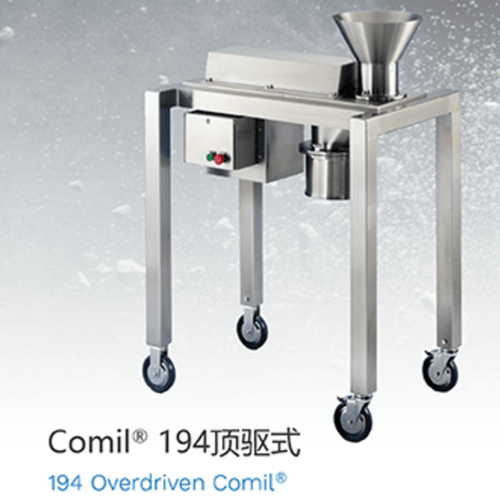
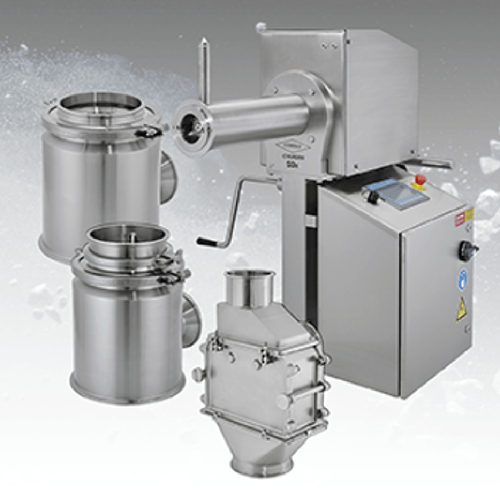
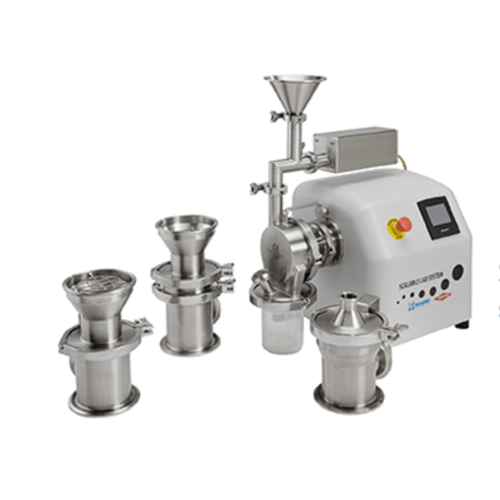
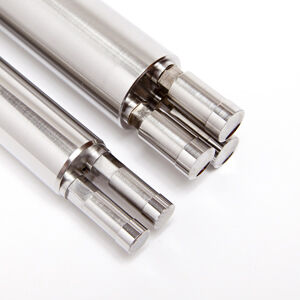
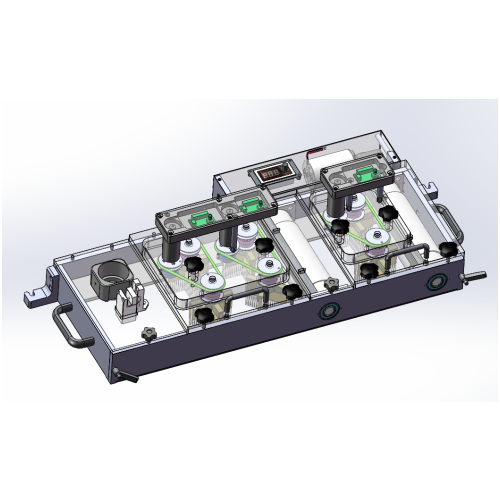
The Korsch tablet press represents a pinnacle of pharmaceutical manufacturing technology, designed to meet the stringent demands of modern tablet production. As a leading solution in the pharmaceutical equipment industry, Korsch machinery delivers precision, reliability, and versatility for producing high-quality tablets across various applications. These advanced tablet presses are engineered to handle everything from research and development batches to full-scale commercial production, making them indispensable tools for pharmaceutical manufacturers worldwide. The Korsch tablet press system incorporates cutting-edge automation technology, robust mechanical design, and intuitive controls that streamline the tablet compression process. At its core, the Korsch machine functions by compressing powder formulations into solid tablets through precisely controlled force application. The system features multiple compression stations that rotate continuously, allowing for high-speed production while maintaining consistent tablet quality. The main functions of Korsch equipment include powder feeding, pre-compression, main compression, and tablet ejection, all executed with exceptional accuracy. Technological features of Korsch presses include advanced force monitoring systems, real-time data acquisition, automated weight control, and sophisticated turret designs that minimize vibration and wear. The machines incorporate precision tooling systems that accommodate various tablet shapes, sizes, and configurations, from standard round tablets to complex multilayer formulations. Korsch tablet presses find applications across pharmaceutical manufacturing, nutraceutical production, confectionery tablet making, and chemical tablet formation. Their versatility extends to producing tablets ranging from tiny micro-tablets weighing just a few milligrams to large tablets exceeding several grams. The equipment handles diverse materials, including direct compression formulations, granulated powders, and specialized compounds requiring specific compression profiles. With integration capabilities for upstream and downstream equipment, Korsch systems fit seamlessly into complete production lines, supporting efficient workflow and optimal manufacturing output.

New Products

Investing in Korsch tablet press technology delivers tangible benefits that directly impact your production efficiency and product quality. First and foremost, these machines provide exceptional tablet uniformity, ensuring every tablet meets precise specifications for weight, thickness, and hardness. This consistency reduces waste, minimizes rejected batches, and guarantees that your products meet regulatory standards every single time. The precision engineering behind Korsch equipment means you spend less time troubleshooting quality issues and more time producing valuable products. The robust construction of Korsch presses translates to remarkable longevity and minimal downtime. These machines withstand the rigorous demands of continuous operation, reducing maintenance costs and extending the interval between service requirements. Your production schedule remains predictable, and you avoid the costly interruptions that plague operations using less reliable equipment. The user-friendly interface design makes operator training straightforward, reducing the learning curve for new staff members and decreasing the likelihood of operational errors. Korsch tablet presses offer remarkable flexibility, allowing you to switch between different tablet formulations and formats with minimal changeover time. This adaptability means you can respond quickly to market demands, produce smaller batch sizes economically, and diversify your product portfolio without significant capital investment in additional equipment. The modular design philosophy enables you to upgrade and expand your system capabilities as your business grows, protecting your initial investment and providing a clear path for scaling production. Energy efficiency represents another significant advantage, as Korsch machines optimize power consumption without compromising performance. Lower energy costs accumulate into substantial savings over the equipment lifetime, improving your operational profitability while reducing environmental impact. The advanced monitoring systems provide real-time production data, enabling you to identify optimization opportunities, track performance trends, and implement continuous improvement initiatives. Regulatory compliance becomes simpler with Korsch equipment, as these systems incorporate features specifically designed to meet pharmaceutical manufacturing standards. Comprehensive documentation, validation support, and audit trail capabilities streamline the approval process and facilitate inspections. The equipment design emphasizes cleanliness and contamination prevention, with smooth surfaces, minimal crevices, and accessible components that simplify cleaning and maintenance procedures. This attention to hygiene standards protects product integrity and reduces cross-contamination risks. Technical support from Korsch ensures you have expert assistance whenever needed, with knowledgeable specialists who understand your specific application requirements and can provide rapid solutions to any challenges. This partnership approach means you are never alone in optimizing your tablet production processes.

Practical Tips

What is a mini tablet press machine and how does it work?

25

May

What is a mini tablet press machine and how does it work?

A mini tablet press machine is a compact, precision-driven piece of equipment designed to compress powdered or granulated materials into uniform tablet forms. Whether used in pharmaceutical research, nutraceutical development, or small-scale chemical...
View More
How do packaging machine components work together?

25

May

How do packaging machine components work together?

Understanding how packaging machine components interact is fundamental to running efficient, reliable production lines. Every element within a packaging system—from the feeding mechanism to the sealing unit—is engineered to perform a prec...
View More
What is Blister Packing Tooling and How Does It Work?

25

May

What is Blister Packing Tooling and How Does It Work?

In pharmaceutical and consumer goods manufacturing, precision packaging is not just about aesthetics — it is a fundamental requirement for product safety, shelf life, and regulatory compliance. Blister Packing Tooling sits at the heart of this ...
View More
How Does Blister Packing Tooling Improve Production Speed?

25

May

How Does Blister Packing Tooling Improve Production Speed?

In high-volume pharmaceutical and consumer goods manufacturing, every second on the production line carries real cost. When facilities look for ways to accelerate output without compromising quality, the conversation almost always returns to the same...
View More

Get a Free Quote

Our representative will contact you soon.
Email
Name
Company Name
Message
0/1000

korsch

Advanced Force Control Technology Ensures Superior Tablet Quality

Advanced Force Control Technology Ensures Superior Tablet Quality

The sophisticated force control system integrated into Korsch tablet presses represents a breakthrough in tablet manufacturing precision. This technology continuously monitors and adjusts compression forces throughout the production cycle, ensuring every tablet receives exactly the pressure required for optimal density and structural integrity. Unlike conventional systems that rely on preset parameters, the Korsch force control mechanism responds dynamically to variations in powder flow characteristics, ambient conditions, and material properties. This adaptive capability eliminates the quality inconsistencies that plague traditional tablet production methods. The system employs high-resolution sensors positioned at critical compression points, capturing detailed force profiles for each tablet produced. This data feeds into advanced control algorithms that make micro-adjustments in real-time, compensating for even minor fluctuations before they affect tablet quality. The result is remarkable uniformity across entire production batches, with minimal variation in tablet weight, thickness, hardness, and dissolution characteristics. For pharmaceutical manufacturers, this precision directly translates to higher yields, reduced waste, and greater confidence in meeting regulatory specifications. The force control system also protects your tooling investment by preventing overload conditions that cause premature punch and die wear. By maintaining forces within optimal ranges, the technology extends tool life significantly, reducing replacement costs and minimizing production interruptions for tool changes. The system alerts operators to abnormal force patterns that might indicate formulation issues, tooling problems, or equipment wear, enabling proactive maintenance before minor issues escalate into production stoppages. Documentation capabilities are built directly into the force control system, automatically recording compression parameters for every batch produced. This comprehensive data trail satisfies regulatory requirements for process validation and provides invaluable insights for troubleshooting and process optimization. Quality assurance teams can review detailed force profiles to verify that each production run met specifications, while process development scientists can analyze the data to refine formulations and compression parameters. The intuitive visualization tools present complex force data in easily understood graphical formats, making it simple for operators and managers to assess production quality at a glance.
Modular Design Architecture Provides Unmatched Production Flexibility

Modular Design Architecture Provides Unmatched Production Flexibility

The modular design philosophy embedded in Korsch tablet press architecture delivers exceptional flexibility that adapts to your evolving production needs. This forward-thinking approach allows you to configure your equipment precisely for current requirements while maintaining the capability to expand and modify the system as your business grows. The modular framework encompasses every major system component, from turret assemblies and feeding mechanisms to control systems and peripheral equipment interfaces. This design strategy means you can start with a basic configuration optimized for your initial production volume and tablet specifications, then seamlessly add capabilities as market opportunities emerge. The turret system exemplifies this modularity, with interchangeable turret assemblies that accommodate different station counts and tooling configurations. You can upgrade from a lower station count to higher capacity turrets without replacing the entire press, maximizing your return on the original equipment investment. Different turret options support various production strategies, whether you need maximum output speed for high-volume products or flexibility for frequent changeovers between different formulations. The feeding system modules provide similar adaptability, with options ranging from gravity feeders for simple formulations to force feeders for challenging materials with poor flow characteristics. Additional modules address specialized requirements such as dust extraction, tablet dedusting, and weight control systems. Each module integrates seamlessly with the core press platform through standardized interfaces, ensuring reliable operation and simplified maintenance. The control system architecture embraces modular principles through scalable automation capabilities. Basic systems provide essential tablet production control, while advanced modules add sophisticated features like statistical process control, network connectivity for production management systems, and integration with quality control equipment. This tiered approach lets you invest in automation capabilities that match your current operational sophistication while preserving options for future enhancement. Maintenance efficiency benefits significantly from the modular design, as technicians can quickly isolate and replace specific components without extensive disassembly of surrounding systems. Spare parts inventory requirements decrease because standardized modules serve multiple equipment configurations, and module-level diagnostics accelerate troubleshooting by pinpointing issues to specific subsystems. The modularity extends to validation activities, where pre-validated modules reduce the time and cost associated with qualifying new capabilities or replacement components.
Comprehensive Digital Integration Optimizes Manufacturing Intelligence

Comprehensive Digital Integration Optimizes Manufacturing Intelligence

Korsch tablet presses incorporate sophisticated digital integration capabilities that transform tablet manufacturing from a mechanical process into an intelligent, data-driven operation. This digital ecosystem connects every aspect of tablet production, from raw material characteristics through final product quality verification, creating unprecedented visibility into manufacturing performance. The foundation of this integration is an advanced data acquisition system that captures detailed information from hundreds of sensors distributed throughout the press. These sensors monitor compression forces, turret speeds, feeder performance, environmental conditions, and countless other parameters that influence tablet quality. The system collects this information at frequencies measured in milliseconds, building a comprehensive digital representation of the entire production process. This granular data enables analysis that was previously impossible, revealing subtle correlations between process parameters and product quality that human observation could never detect. Machine learning algorithms process this data stream to identify patterns, predict potential quality issues before they occur, and recommend optimal parameter adjustments for different formulations. The digital integration extends beyond the tablet press itself to encompass upstream powder preparation equipment and downstream packaging systems. This holistic connectivity ensures seamless material flow and consistent quality throughout the entire production chain. Recipe management systems store detailed parameter sets for each product formulation, enabling one-touch changeovers that automatically configure the press for different tablets. Operators simply select the desired product from a digital library, and the system implements all necessary adjustments, eliminating manual setup errors and reducing changeover time from hours to minutes. Remote monitoring capabilities allow production managers and technical specialists to observe press performance from anywhere with network access, facilitating rapid response to issues and enabling expert support without requiring on-site presence. Predictive maintenance algorithms analyze equipment performance trends to forecast when components will require service, scheduling maintenance during planned downtime rather than responding to unexpected failures. The digital system generates comprehensive production reports automatically, documenting all critical parameters and quality measurements in formats that satisfy regulatory requirements. These reports integrate seamlessly with enterprise resource planning systems, providing real-time production status to supply chain managers and enabling more accurate forecasting and inventory management. For process development activities, the digital integration provides invaluable tools for formulation optimization and scale-up validation, capturing detailed compression profiles that guide formulation scientists in developing tablets with ideal manufacturability characteristics.

Get a Free Quote

Our representative will contact you soon.
Email
Name
Company Name
Message
0/1000