cam
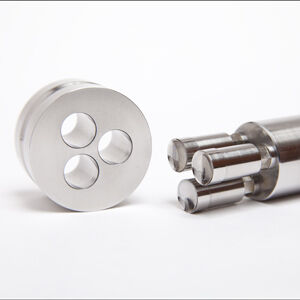
A cam is a mechanical component that plays a fundamental role in converting rotational motion into linear or oscillating motion, making it an essential element in countless machines and automated systems. At its core, a cam works by rotating against a follower, which traces the cam's profile and translates that movement into a precise, repeatable output. This simple yet powerful mechanism has been refined over centuries of engineering development, resulting in a component that delivers exceptional reliability and versatility across a wide range of industries. The cam's profile, which can be designed in numerous shapes such as eccentric circles, heart shapes, or custom contours, directly determines the motion pattern of the follower. Engineers can tailor this profile to produce virtually any desired output motion, whether that means a smooth gradual lift, a rapid snap action, or a complex multi-stage movement sequence. This design flexibility is one of the cam's most significant technological advantages, allowing it to serve as the motion-control backbone of everything from simple household appliances to sophisticated industrial machinery. Modern cams are manufactured using advanced materials including hardened steel, cast iron, and high-performance polymers, ensuring durability under continuous high-load operation. Precision machining techniques such as CNC milling and grinding allow cam profiles to be produced with extremely tight tolerances, guaranteeing consistent performance over millions of operating cycles. In terms of applications, cams are found in automotive engines where they control valve timing, in textile machinery where they guide thread and needle movements, in printing presses where they synchronize paper feed and impression cycles, and in packaging equipment where they coordinate filling, sealing, and labeling operations. The cam also plays a critical role in robotics and automation, where precise, programmable motion control is essential. Whether operating at low speeds in a hand-operated device or at high speeds in a fully automated production line, the cam consistently delivers the motion accuracy and mechanical reliability that modern engineering demands.

 EN
EN