Natoli Tablet Press Tooling: Precision, Durability, and Versatile Design for Superior Tablet Manufacturing

Get a Free Quote

Our representative will contact you soon.
Email
Name
Company Name
Message
0/1000

natoli

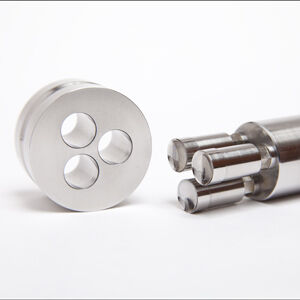
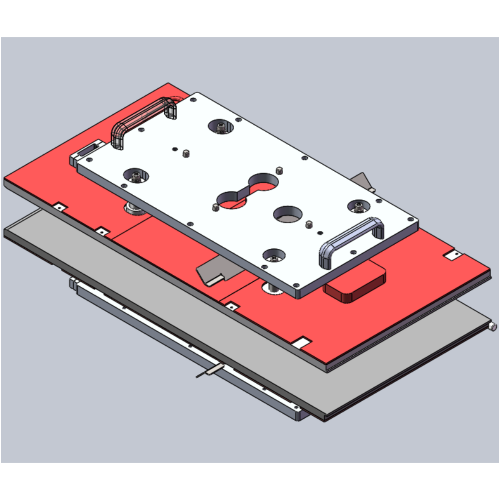
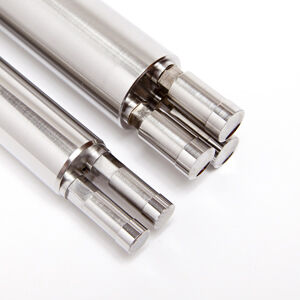
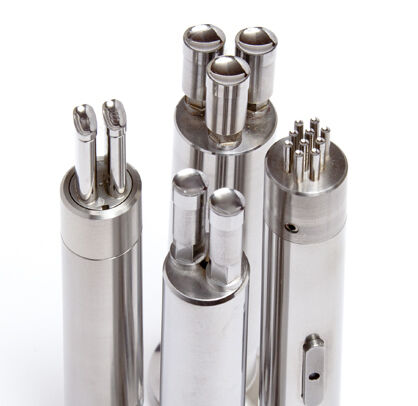
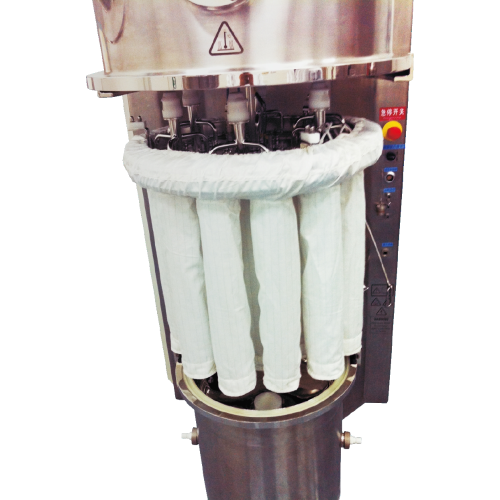
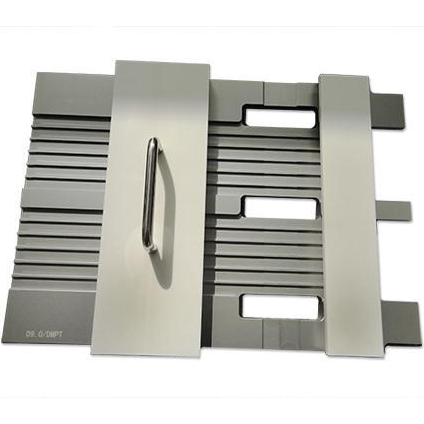
The Natoli is a premier tablet press tooling system engineered to meet the demanding requirements of pharmaceutical, nutraceutical, and industrial manufacturing environments. Designed with precision at its core, the Natoli tooling system delivers consistent, reliable performance across a wide range of tablet production applications. Whether you are producing standard round tablets or complex multi-layer shapes, the Natoli system adapts seamlessly to your production needs, making it one of the most versatile tooling solutions available on the market today. At its foundation, the Natoli tooling system functions as the mechanical interface between the tablet press machine and the raw material being compressed. It consists of punches and dies that are manufactured to exacting tolerances, ensuring that every tablet produced meets strict dimensional and weight specifications. The punches apply controlled force to compress powder or granules into solid tablets, while the dies define the shape, size, and embossing of the final product. This precise mechanical interaction is what makes Natoli tooling so critical to tablet quality and production efficiency. From a technological standpoint, Natoli tooling is crafted using high-grade steel alloys and advanced surface treatment processes, including specialized coatings that reduce wear, minimize sticking, and extend tool life significantly. The manufacturing process incorporates computer-aided design and computer-aided manufacturing technologies to achieve micron-level accuracy in every component. Natoli also offers a range of tip geometries, including flat-faced, concave, and custom embossed designs, giving manufacturers the flexibility to produce tablets that meet both functional and branding requirements. In terms of applications, Natoli tooling is widely used across pharmaceutical drug manufacturing, dietary supplement production, confectionery tablet making, and chemical compaction processes. Its compatibility with major tablet press brands makes it a go-to choice for facilities running multi-press operations. The Natoli system also supports research and development environments, where small-batch production and rapid prototyping are essential. With a global reputation built on decades of engineering excellence, Natoli continues to set the standard for tablet press tooling quality, reliability, and innovation.

New Products

Choosing Natoli tooling for your tablet production operation brings a set of clear, practical benefits that directly impact your bottom line, your product quality, and your team's day-to-day efficiency. Here is a straightforward look at what makes Natoli the right choice for manufacturers who take their output seriously. First, Natoli tooling lasts longer than many competing options. The high-grade steel and advanced surface coatings used in every Natoli punch and die are selected specifically to resist wear under the high-pressure conditions of continuous tablet compression. When your tooling lasts longer, you spend less time swapping out worn components and less money on replacement parts. That means more uptime on your press and more tablets produced per shift. Second, Natoli delivers consistent tablet quality run after run. Because every punch and die is manufactured to tight dimensional tolerances, the tablets coming off your press maintain uniform weight, thickness, and hardness throughout the entire production batch. This consistency is not just a quality metric. It directly reduces the number of tablets rejected during quality control checks, which saves material and reduces waste. Third, Natoli tooling is easy to work with. The punches and dies are designed for straightforward installation, removal, and cleaning. Your operators spend less time wrestling with tooling changes and more time running production. This ease of use also reduces the risk of installation errors that can damage both the tooling and the tablet press itself. Fourth, Natoli supports a wide range of tablet designs. Whether you need a simple round tablet or a complex custom shape with embossed logos and score lines, Natoli can produce tooling to match your exact specifications. This flexibility means you do not need to work with multiple tooling suppliers as your product line grows or changes. Fifth, Natoli provides strong technical support. When you have a question about tooling selection, press compatibility, or troubleshooting a production issue, the Natoli team brings deep expertise to the conversation. This support reduces the time your team spends diagnosing problems and gets your line back up and running faster. Sixth, Natoli tooling is compatible with most major tablet press brands. You do not need to overhaul your equipment to take advantage of Natoli quality. Whether you are running a single-station press in a lab or a high-speed rotary press on a commercial production floor, Natoli has tooling that fits. Seventh, investing in Natoli tooling reduces your total cost of production over time. Higher durability, fewer rejects, less downtime, and lower maintenance demands all add up to a more cost-effective operation. The upfront investment in quality Natoli tooling pays back quickly through improved efficiency and reduced operational disruptions. In summary, Natoli gives manufacturers a reliable, flexible, and cost-effective tooling solution that performs consistently under real production conditions, backed by the kind of technical expertise that helps you solve problems fast and keep your operation moving forward.

Latest News

What are cardboard packing boxes and how do they work?

25

May

What are cardboard packing boxes and how do they work?

When businesses and individuals need a reliable, cost-effective, and versatile solution for protecting goods during storage or transit, cardboard packing boxes consistently emerge as the go-to choice. These containers are constructed from layers of p...
View More
What is a mini tablet press machine and how does it work?

25

May

What is a mini tablet press machine and how does it work?

A mini tablet press machine is a compact, precision-driven piece of equipment designed to compress powdered or granulated materials into uniform tablet forms. Whether used in pharmaceutical research, nutraceutical development, or small-scale chemical...
View More
How Does Press Tooling Design Impact Production Efficiency?

25

May

How Does Press Tooling Design Impact Production Efficiency?

In high-volume manufacturing environments, the design of Press Tooling is one of the most consequential engineering decisions a production team can make. From cycle time to scrap rate, from die longevity to operator safety, the geometry, material sel...
View More
What is Blister Packing Tooling and How Does It Work?

25

May

What is Blister Packing Tooling and How Does It Work?

In pharmaceutical and consumer goods manufacturing, precision packaging is not just about aesthetics — it is a fundamental requirement for product safety, shelf life, and regulatory compliance. Blister Packing Tooling sits at the heart of this ...
View More

Get a Free Quote

Our representative will contact you soon.
Email
Name
Company Name
Message
0/1000

natoli

Precision Engineering That Protects Your Product Quality

Precision Engineering That Protects Your Product Quality

When it comes to tablet manufacturing, the quality of your tooling is directly tied to the quality of your finished product. Natoli tooling is built on a foundation of precision engineering that ensures every punch and die performs exactly as intended, batch after batch, shift after shift. This level of precision is not accidental. It is the result of a rigorous manufacturing process that combines advanced computer-aided design software with state-of-the-art computer-aided manufacturing equipment to hold dimensional tolerances at the micron level. What does that mean in practice? It means that when you load a set of Natoli punches and dies into your tablet press, you can trust that every tablet produced will meet your target weight, thickness, and hardness specifications with minimal variation. Tight tolerances reduce the spread in tablet weight across a batch, which is one of the most common sources of quality control failures in tablet manufacturing. When your tablets consistently fall within specification, you reject fewer units, waste less raw material, and spend less time on rework and investigation. Natoli achieves this precision through careful selection of raw materials, including high-grade steel alloys chosen for their hardness, machinability, and resistance to deformation under compressive load. Each component goes through multiple stages of machining, grinding, and finishing before it is inspected against strict quality standards. The result is tooling that holds its shape and dimensions even after extended production runs under high compression forces. Beyond dimensional accuracy, Natoli also applies specialized surface treatments and coatings to punch tips and die bores. These treatments reduce surface roughness, which minimizes the tendency of tablet material to stick to the punch face during compression. Sticking is a common production problem that leads to tablet defects, press downtime, and increased cleaning frequency. By addressing sticking at the tooling level, Natoli helps you maintain cleaner production runs and better tablet appearance without relying solely on formulation adjustments. For pharmaceutical manufacturers operating under strict regulatory requirements, the precision and consistency of Natoli tooling also supports documentation and validation efforts. When your tooling performs predictably, it is easier to demonstrate process control during audits and inspections. Natoli provides detailed tooling specifications and certificates of conformance that support your quality management system. In short, the precision engineering behind every Natoli punch and die is not just a technical achievement. It is a practical tool that helps you produce better tablets, reduce waste, and maintain the quality standards your customers and regulators expect.
Exceptional Durability That Reduces Your Operating Costs

Exceptional Durability That Reduces Your Operating Costs

One of the most significant factors in the total cost of running a tablet press operation is tooling replacement. Punches and dies that wear out quickly force you into a cycle of frequent purchases, press downtime for changeovers, and ongoing maintenance demands that pull your team away from productive work. Natoli tooling is engineered specifically to break that cycle by delivering exceptional durability that extends tool life and reduces the frequency and cost of replacements. The durability of Natoli tooling starts with material selection. Natoli uses premium steel alloys that are chosen for their ability to withstand the repeated high-pressure impacts of tablet compression without deforming, cracking, or losing dimensional accuracy. The specific alloys used vary depending on the application, with options available for standard pharmaceutical production, abrasive materials, and corrosive environments. This material expertise means you get tooling that is matched to your specific production conditions rather than a one-size-fits-all solution that may underperform in demanding applications. Surface treatment is another key contributor to Natoli durability. Natoli applies a range of advanced coatings and surface hardening processes to punch tips, punch heads, and die bores. These treatments increase surface hardness, reduce friction, and create a barrier against corrosion and chemical attack. The practical effect is that Natoli tooling maintains its performance characteristics for significantly longer than untreated or lower-quality alternatives. You get more tablets per set of tooling, which directly lowers your cost per tablet produced. Natoli also designs its tooling with wear patterns in mind. The geometry of punch tips and the profile of die bores are optimized to distribute compressive stress evenly, reducing the concentration of wear at specific points that can lead to premature failure. This thoughtful design approach extends the useful life of each component and reduces the likelihood of unexpected tooling failures that can damage your tablet press or contaminate a batch. From a financial perspective, the durability advantage of Natoli tooling compounds over time. Fewer replacement purchases, less press downtime, lower labor costs for changeovers, and reduced risk of batch losses all contribute to a lower total cost of ownership. Manufacturers who switch to Natoli tooling consistently report that the higher initial investment is recovered quickly through these operational savings. For any operation where press uptime and production efficiency are priorities, the durability of Natoli tooling is one of its most compelling and measurable advantages.
Versatile Design Options That Support Your Full Product Range

Versatile Design Options That Support Your Full Product Range

Modern tablet manufacturers rarely produce a single product on a single press. Most operations run multiple formulations, multiple tablet shapes, and multiple branding requirements across a range of equipment. Managing tooling across this complexity requires a supplier that can deliver consistent quality across a wide variety of designs and specifications. Natoli excels in this area, offering one of the broadest ranges of tooling design options available, making it possible to source all of your tooling needs from a single trusted partner. Natoli supports every standard tablet shape, including round, oval, capsule, and oblong, as well as a full range of custom geometric shapes that can be designed to meet specific product or branding requirements. Punch tip profiles include flat-faced, shallow concave, standard concave, deep concave, and modified ball configurations, each of which produces a different tablet edge and face geometry. Selecting the right tip profile affects not just the appearance of the tablet but also its mechanical strength, coating behavior, and patient swallowability. Natoli's engineering team works with customers to select the optimal tip geometry for each application. Embossing and debossing capabilities are another area where Natoli provides significant value. Custom logos, product codes, score lines, and alphanumeric identifiers can all be incorporated into Natoli tooling designs. These features serve both functional and commercial purposes. Score lines allow tablets to be split for dose adjustment, while logos and codes support brand identity and help patients and healthcare providers identify products quickly and accurately. Natoli's precision manufacturing ensures that embossed features are sharp, consistent, and durable across the full life of the tooling. Natoli tooling is also designed for compatibility with the widest possible range of tablet press equipment. Whether your facility runs older mechanical presses or the latest high-speed rotary machines from leading manufacturers, Natoli can supply tooling that meets the dimensional and performance requirements of your specific equipment. This cross-compatibility simplifies procurement, reduces the number of suppliers you need to manage, and ensures that your tooling inventory is as streamlined as possible. For research and development teams working on new formulations or new product launches, Natoli also offers rapid prototyping services that allow you to evaluate new tablet designs quickly without committing to full production tooling. This capability accelerates your development timeline and reduces the cost of bringing new products to market. The combination of design flexibility, manufacturing precision, and broad equipment compatibility makes Natoli the ideal tooling partner for manufacturers who need to support a diverse and evolving product portfolio.


Get a Free Quote

Our representative will contact you soon.
Email
Name
Company Name
Message
0/1000