Versatile Compatibility Across Multiple Manufacturing Applications
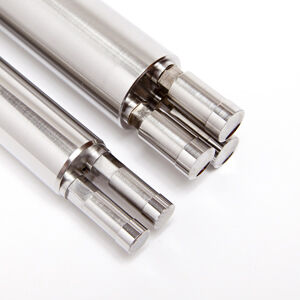
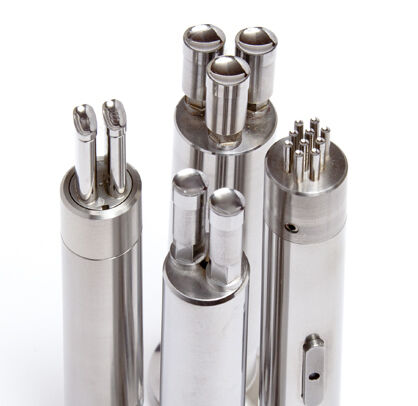
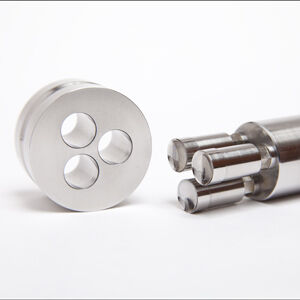
The exceptional versatility and broad compatibility of punch barrel systems make them invaluable assets for manufacturing operations that must respond to diverse production requirements and changing market demands. This adaptability stems from standardized mounting interfaces and dimensional specifications that allow punch barrels to integrate seamlessly with various machine types, press configurations, and tooling systems. Whether your facility operates turret punch presses, mechanical power presses, hydraulic machines, or specialized forming equipment, appropriately specified punch barrels can accommodate your needs without requiring extensive modifications or custom engineering. The compatibility extends to punch tool systems as well, with punch barrel designs accepting standard shank configurations that give you access to vast tool libraries spanning different sizes, shapes, and special-purpose geometries. This universal compatibility means you can source replacement tools from multiple suppliers, avoiding vendor lock-in situations that limit your purchasing flexibility and potentially increase costs. Manufacturing professionals particularly value how punch barrel versatility enables handling diverse materials within a single production setup. The same punch barrel that guides tools through aluminum sheet can also support operations on stainless steel, copper alloys, plastics, and composite materials, requiring only appropriate tool selection rather than wholesale equipment changes. This material versatility proves essential for contract manufacturers and job shops serving multiple industries with varying material preferences. The adaptability also encompasses a wide range of material thicknesses, from thin foils to heavy plate, with the punch barrel providing consistent guidance across this entire spectrum. Production planners appreciate this flexibility because it simplifies scheduling and reduces the complexity of maintaining separate equipment lines for different material gauges. The punch barrel's compatibility with quick-change tooling systems deserves special mention, as this feature dramatically reduces setup times when transitioning between different part numbers or production runs. Operators can swap complete punch and barrel assemblies in minutes rather than hours, maintaining production momentum and improving overall equipment effectiveness. This quick-change capability becomes particularly valuable in high-mix, low-volume manufacturing environments where flexibility and responsiveness differentiate successful operations from competitors. Additionally, punch barrel systems accommodate various stripper plate designs, die configurations, and accessory components, allowing you to optimize your complete tooling package for specific applications without compatibility concerns limiting your choices. The standardization that enables this compatibility also simplifies inventory management, as maintenance departments can stock a reasonable selection of punch barrel sizes that cover most production requirements rather than maintaining extensive inventories of highly specialized components. When special applications do arise, the fundamental compatibility of punch barrel systems often allows adaptation through simple modifications rather than complete custom fabrication, saving both time and money while maintaining the reliability and precision that makes these components so valuable to manufacturing operations worldwide.

 EN
EN