punch alignment tool
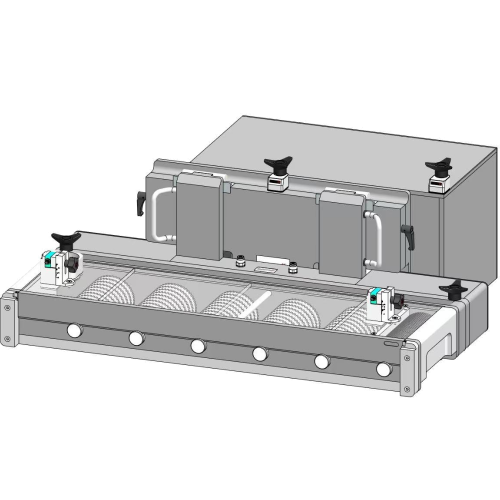
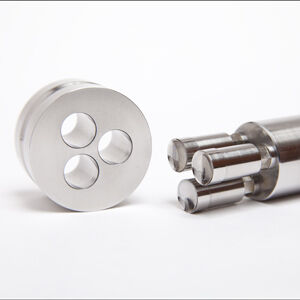
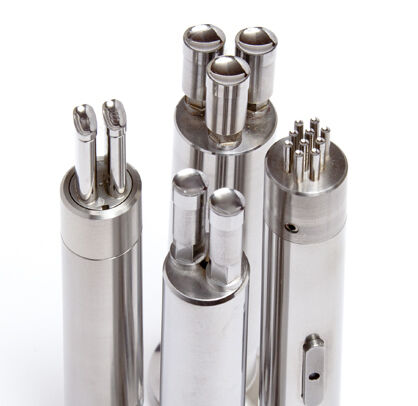
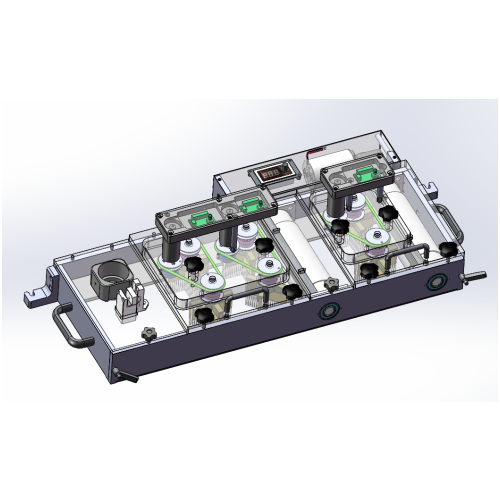
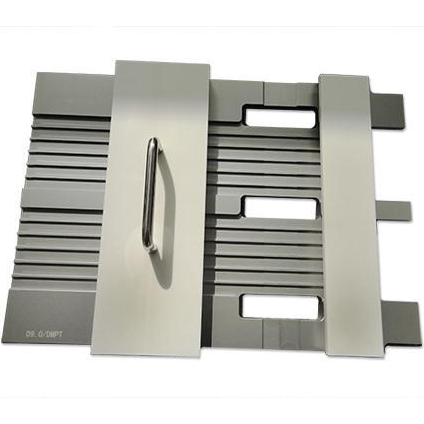
The punch alignment tool is a precision instrument designed to ensure accurate positioning and consistent alignment during punching, stamping, and fabrication operations. Whether used in metalworking, leather crafting, bookbinding, or industrial manufacturing, this tool eliminates the guesswork that often leads to misaligned holes, wasted materials, and costly rework. At its core, the punch alignment tool functions as a guide system that holds the punch in the correct position relative to the workpiece, delivering repeatable results every single time. The main functions of the punch alignment tool include centering the punch over a marked or pre-set location, maintaining perpendicular contact between the punch tip and the work surface, and providing a stable platform that absorbs impact force without shifting. These functions work together to produce clean, burr-free holes that meet tight tolerances required in professional and industrial settings. From a technological standpoint, modern punch alignment tools incorporate hardened steel construction, precision-ground guide channels, and adjustable depth stops that allow operators to control penetration depth with accuracy. Many models feature laser-etched measurement scales, magnetic base systems for hands-free positioning, and interchangeable punch heads that accommodate a wide range of hole diameters. Advanced versions integrate with CNC setups or pneumatic press systems, making the punch alignment tool a versatile component in both manual and automated production lines. The applications of the punch alignment tool span numerous industries. In sheet metal fabrication, it ensures bolt holes line up perfectly for assembly. In garment manufacturing, it creates uniform eyelet placements across large production runs. In electronics, it punches precise mounting holes in circuit board housings. Woodworkers use it for dowel hole alignment, while saddle makers rely on it for consistent stitching hole patterns. The punch alignment tool is equally valuable in prototyping environments, where accuracy on the first attempt saves both time and material costs. Its adaptability across materials including metal, leather, rubber, plastic, and wood makes it an indispensable tool in any workshop or production facility that demands precision and efficiency.

 EN
EN