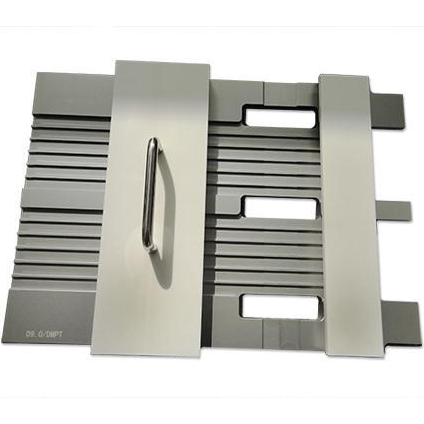
Pharmaceutical Tablet Press Machine: Precision, Speed, and GMP Compliance

Get a Free Quote

Our representative will contact you soon.
Email
Name
Company Name
Message
0/1000

pharmaceutical tablet press machine

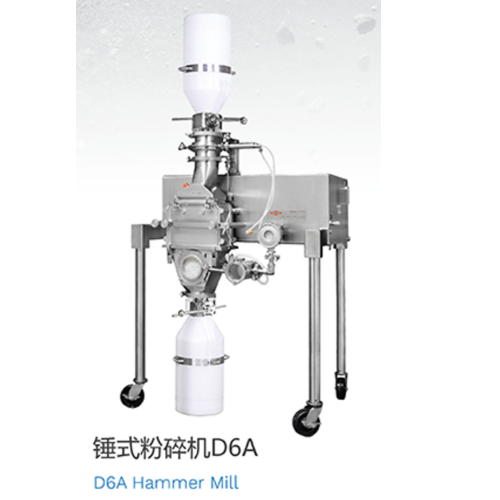
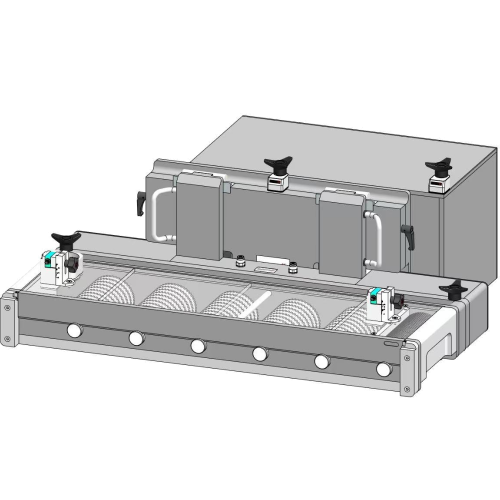
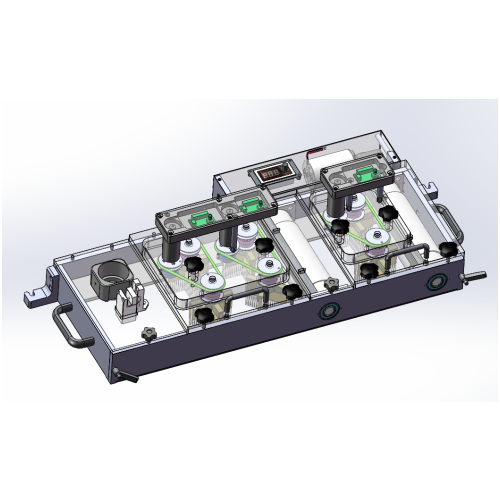
A pharmaceutical tablet press machine is a specialized piece of manufacturing equipment designed to compress powdered or granulated raw materials into tablets of uniform size, shape, weight, and hardness. It plays a central role in the pharmaceutical manufacturing process, serving as the backbone of solid dosage form production across the global drug industry. Whether producing aspirin, vitamins, antibiotics, or complex multi-layer formulations, the pharmaceutical tablet press machine ensures that every tablet meets strict quality and regulatory standards. The machine operates by feeding material into a die cavity, where upper and lower punches apply precisely controlled pressure to form a compact, solid tablet. Modern pharmaceutical tablet press machines are available in two primary configurations: single-punch machines, which are ideal for small-scale production and research and development applications, and rotary tablet press machines, which are engineered for high-volume commercial manufacturing. Rotary models can produce hundreds of thousands of tablets per hour, making them indispensable for large pharmaceutical operations. From a technological standpoint, today's pharmaceutical tablet press machines incorporate advanced features such as programmable logic controllers (PLCs), human-machine interfaces (HMIs), real-time weight monitoring systems, and automated rejection mechanisms for out-of-spec tablets. These systems allow operators to maintain tight control over critical quality attributes including tablet hardness, thickness, friability, and disintegration time. Many machines also support tooling changeovers with minimal downtime, enabling manufacturers to switch between product lines efficiently. The applications of the pharmaceutical tablet press machine extend beyond traditional drug manufacturing. It is widely used in the production of nutraceuticals, dietary supplements, veterinary medicines, and industrial chemical tablets. Its versatility, precision, and scalability make it a vital asset for any organization involved in solid dosage manufacturing. As regulatory requirements continue to tighten globally, investing in a reliable and technologically advanced pharmaceutical tablet press machine has become more important than ever for manufacturers seeking to maintain compliance, reduce waste, and maximize production efficiency.


Popular Products

When you invest in a pharmaceutical tablet press machine, you gain a production tool that delivers real, measurable results from day one. Here is a straightforward look at the practical benefits that make this equipment a smart choice for manufacturers of all sizes. First, a pharmaceutical tablet press machine dramatically increases your production speed. Manual tablet-making methods are slow, inconsistent, and labor-intensive. A modern rotary pharmaceutical tablet press machine can produce hundreds of thousands of tablets per hour, allowing your operation to scale quickly without adding significant labor costs. This speed advantage means you can meet large orders, respond to market demand faster, and reduce your overall cost per unit. Second, consistency is one of the strongest advantages of using a pharmaceutical tablet press machine. Every tablet that comes off the press is virtually identical in weight, size, hardness, and active ingredient content. This level of uniformity is not just a quality preference, it is a regulatory requirement. Consistent tablets mean fewer batch failures, fewer customer complaints, and a stronger reputation with regulators and end users alike. Third, modern pharmaceutical tablet press machines are built with efficiency in mind. They minimize material waste by precisely controlling the amount of powder or granule fed into each die. Automated rejection systems remove defective tablets before they enter the packaging line, saving you time and raw material costs. Many machines also feature quick-change tooling systems, so you can switch from one product to another in a fraction of the time it would take with older equipment. Fourth, operating a pharmaceutical tablet press machine is straightforward. User-friendly touchscreen interfaces guide operators through setup, monitoring, and troubleshooting. Real-time data displays show you exactly what is happening at every stage of the compression cycle, so your team can make adjustments on the fly without stopping production. Fifth, a pharmaceutical tablet press machine supports your compliance efforts. Built-in data logging, audit trails, and automated quality checks align with Good Manufacturing Practice (GMP) guidelines and regulatory expectations from agencies such as the FDA and EMA. This means less paperwork, easier inspections, and greater confidence in your manufacturing process. Sixth, the long-term return on investment is compelling. While the upfront cost of a pharmaceutical tablet press machine may seem significant, the reduction in labor, waste, rework, and batch failures quickly offsets the initial expenditure. Manufacturers consistently report that their pharmaceutical tablet press machine pays for itself within a relatively short operating period. In summary, a pharmaceutical tablet press machine gives you speed, consistency, efficiency, ease of use, regulatory compliance, and strong financial returns. These are not abstract promises but practical outcomes that manufacturers experience every day on the production floor.

Practical Tips

How do packaging machine components work together?

25

May

How do packaging machine components work together?

Understanding how packaging machine components interact is fundamental to running efficient, reliable production lines. Every element within a packaging system—from the feeding mechanism to the sealing unit—is engineered to perform a prec...
View More
What is Press Tooling and How Does It Work in Manufacturing?

25

May

What is Press Tooling and How Does It Work in Manufacturing?

In modern manufacturing, precision, repeatability, and efficiency are not optional — they are the foundation of competitive production. Press Tooling sits at the heart of this foundation, enabling manufacturers across industries to form, cut, s...
View More
What is Blister Packing Tooling and How Does It Work?

25

May

What is Blister Packing Tooling and How Does It Work?

In pharmaceutical and consumer goods manufacturing, precision packaging is not just about aesthetics — it is a fundamental requirement for product safety, shelf life, and regulatory compliance. Blister Packing Tooling sits at the heart of this ...
View More
How Does Blister Packing Tooling Improve Production Speed?

25

May

How Does Blister Packing Tooling Improve Production Speed?

In high-volume pharmaceutical and consumer goods manufacturing, every second on the production line carries real cost. When facilities look for ways to accelerate output without compromising quality, the conversation almost always returns to the same...
View More

Get a Free Quote

Our representative will contact you soon.
Email
Name
Company Name
Message
0/1000

pharmaceutical tablet press machine

Precision Engineering for Consistent Tablet Quality

Precision Engineering for Consistent Tablet Quality

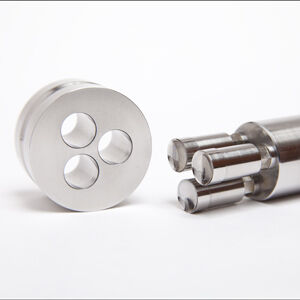
One of the most critical demands in pharmaceutical manufacturing is the ability to produce tablets that are identical in every measurable way, batch after batch, shift after shift. A pharmaceutical tablet press machine meets this demand through precision engineering that controls every variable in the compression process. The tooling system, which includes the punches and dies, is manufactured to extremely tight tolerances. This ensures that each tablet receives exactly the same amount of compression force, resulting in uniform hardness, thickness, and weight across the entire production run. Modern pharmaceutical tablet press machines are equipped with real-time monitoring systems that continuously measure tablet weight and thickness during production. If a tablet falls outside the pre-set specification range, the machine automatically flags or rejects it before it can move further down the production line. This closed-loop quality control system eliminates the need for time-consuming manual sampling and reduces the risk of out-of-specification tablets reaching patients. The importance of this precision cannot be overstated. In pharmaceutical manufacturing, a tablet that is too soft may crumble during packaging or transit. A tablet that is too hard may not disintegrate properly in the body, reducing the bioavailability of the active ingredient. A tablet that is underweight may deliver an insufficient dose, while an overweight tablet could cause adverse effects. The pharmaceutical tablet press machine addresses all of these risks simultaneously by maintaining precise control over the compression parameters at all times. Beyond patient safety, consistent tablet quality also protects your business. Regulatory agencies require documented evidence that every batch meets specification. When your pharmaceutical tablet press machine produces consistent results and logs the data automatically, you have the documentation you need to pass audits and maintain your manufacturing license. Investing in a pharmaceutical tablet press machine with advanced precision engineering is not just a quality decision, it is a business continuity decision that protects your products, your patients, and your organization.
High-Speed Production Capability That Scales With Your Business

High-Speed Production Capability That Scales With Your Business

Growth in pharmaceutical manufacturing depends on your ability to increase output without proportionally increasing costs. A pharmaceutical tablet press machine gives you exactly that capability through its high-speed rotary compression technology. Unlike single-punch or manual systems, a rotary pharmaceutical tablet press machine uses multiple tooling stations arranged around a rotating turret. As the turret spins, each station goes through the complete fill, compress, and eject cycle in rapid succession. The result is a continuous, high-volume output that can reach several hundred thousand tablets per hour depending on the model and configuration. This production capacity transforms what is possible for your manufacturing operation. Small and mid-sized manufacturers can take on larger contracts with confidence, knowing their pharmaceutical tablet press machine can handle the volume. Large-scale producers can reduce the number of production shifts needed to meet demand, cutting labor costs and energy consumption in the process. The scalability of the pharmaceutical tablet press machine also means you are not locked into a single production level. Many machines allow you to adjust the turret speed, compression force, and feed rate to match the specific requirements of each product. Whether you are producing a high-dose tablet that requires slower, more controlled compression or a standard supplement tablet that can be produced at maximum speed, the pharmaceutical tablet press machine adapts to your needs. Changeover between products is also faster than ever. Modern pharmaceutical tablet press machines are designed with tool-free or minimal-tool changeover systems that allow your team to switch from one product to another in a matter of minutes rather than hours. This flexibility reduces downtime, increases overall equipment effectiveness, and allows you to serve a broader range of customers and product lines. When your business grows, your pharmaceutical tablet press machine grows with it.
GMP-Compliant Design That Simplifies Regulatory Approval

GMP-Compliant Design That Simplifies Regulatory Approval

Navigating the regulatory landscape in pharmaceutical manufacturing is one of the most challenging aspects of running a compliant operation. A pharmaceutical tablet press machine designed with Good Manufacturing Practice (GMP) principles built into its core architecture makes this challenge significantly more manageable. GMP-compliant pharmaceutical tablet press machines are constructed from materials that meet pharmaceutical-grade standards. Stainless steel contact parts, smooth surfaces that resist contamination buildup, and tool-free disassembly for cleaning are standard features that help your team maintain the hygiene standards required by regulatory agencies worldwide. The machine design minimizes the risk of cross-contamination between product runs, which is especially important when manufacturing multiple products on the same equipment. Beyond physical design, a GMP-compliant pharmaceutical tablet press machine includes robust data management capabilities. Integrated electronic batch records, audit trails, and user access controls align directly with the data integrity requirements outlined in FDA 21 CFR Part 11 and equivalent international regulations. Every parameter adjustment, every alarm event, and every production run is logged automatically, creating a complete and tamper-evident record that your quality assurance team can rely on during internal audits and regulatory inspections. The human-machine interface on a modern pharmaceutical tablet press machine is designed to guide operators through validated processes, reducing the risk of human error during setup and operation. Recipe management systems allow you to store and recall validated production parameters for each product, ensuring that operators always start from the correct baseline settings. This reduces setup errors, shortens training time for new staff, and strengthens your overall process validation documentation. For manufacturers seeking to enter new markets or expand their product portfolios, having a pharmaceutical tablet press machine that already meets international GMP standards removes a significant barrier to regulatory approval. You spend less time retrofitting equipment and more time bringing new products to market.

Get a Free Quote

Our representative will contact you soon.
Email
Name
Company Name
Message
0/1000