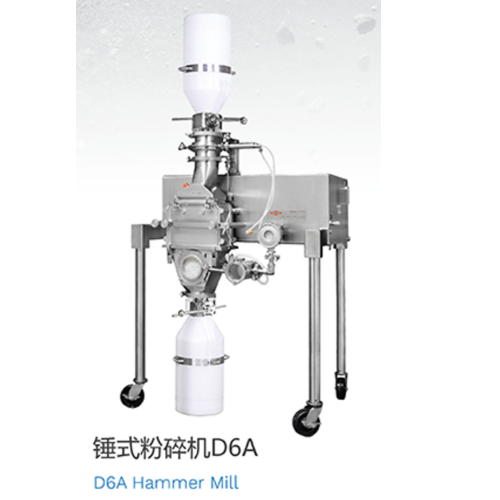
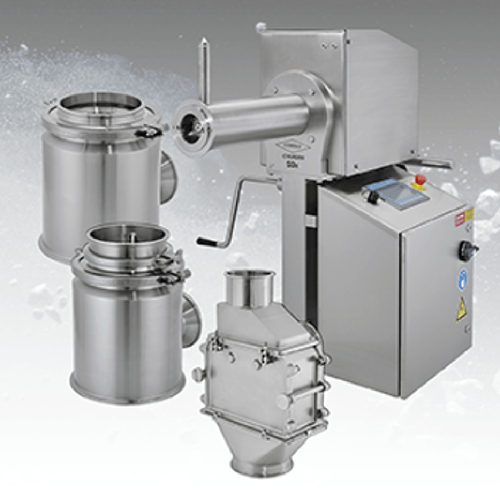
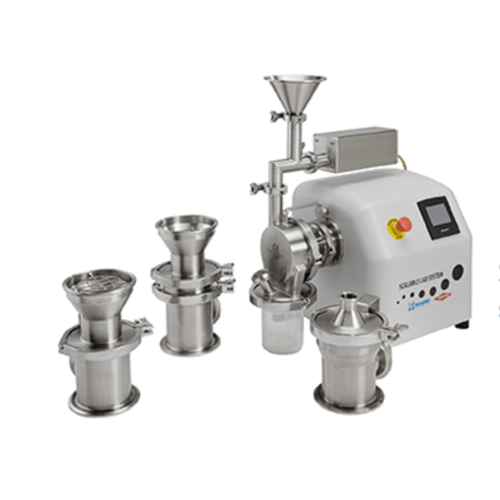
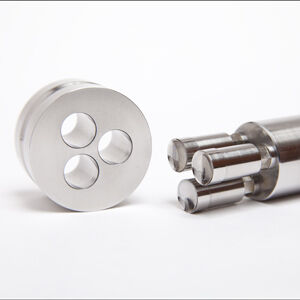
shape
The shape of a product represents one of its most fundamental design characteristics, influencing everything from functionality to aesthetic appeal and user experience. In manufacturing and product development, shape determines how an item performs its intended purpose, how efficiently it can be produced, and how well it integrates into its operational environment. The geometric configuration of any object serves multiple critical functions that extend far beyond simple visual appearance. From an engineering perspective, shape dictates structural integrity, material distribution, and load-bearing capacity. A well-designed shape optimizes material usage while maintaining necessary strength, reducing production costs and environmental impact. The technological features embedded within shape design include considerations for aerodynamics, ergonomics, thermal management, and space efficiency. Advanced computer-aided design systems and simulation software enable engineers to test countless shape variations virtually before physical prototyping, ensuring optimal performance characteristics. Shape influences manufacturing processes significantly, determining whether injection molding, CNC machining, 3D printing, or other fabrication methods are most suitable. Applications of strategic shape design span virtually every industry imaginable. In automotive engineering, vehicle shape affects fuel efficiency through aerodynamic drag reduction. In architecture, building shape impacts energy consumption, natural lighting, and structural stability. Consumer electronics rely on compact, ergonomic shapes that fit comfortably in hands while housing complex internal components. Medical devices require shapes that facilitate precise operation while ensuring patient safety and comfort. Packaging industries leverage shape to maximize shipping efficiency, protect contents, and attract consumer attention. Industrial equipment uses shape to optimize workflow, minimize footprint, and enhance operational safety. The aerospace sector depends on precisely calculated shapes to achieve lift, reduce weight, and withstand extreme conditions. Even in digital interfaces, shape elements guide user interaction and information hierarchy. Understanding shape as a multifaceted design element reveals its profound impact on product success across technical performance, manufacturing efficiency, cost effectiveness, user satisfaction, and market competitiveness.

 EN
EN