Fine Grinding Hammer Mill: High-Efficiency Powder Milling Solutions for Industrial Processing

Get a Free Quote

Our representative will contact you soon.
Email
Name
Company Name
Message
0/1000

fine grinding hammer mill

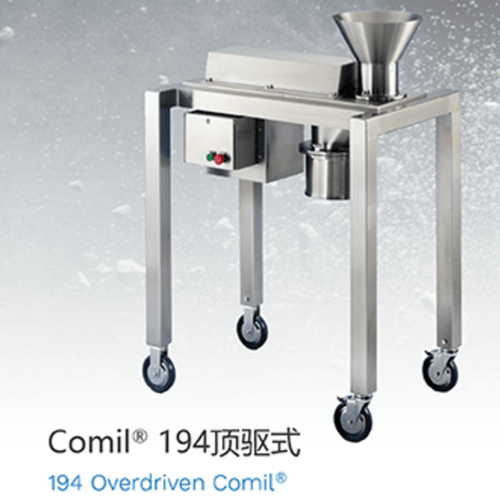
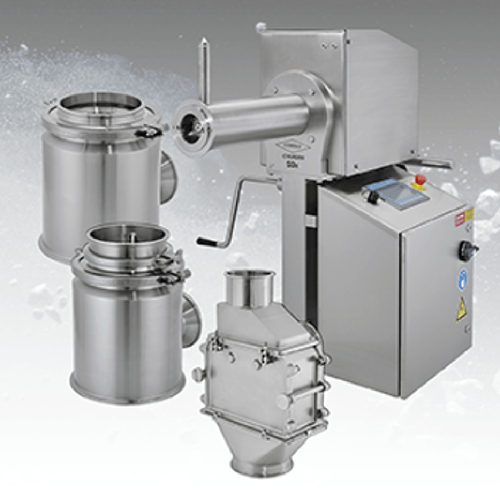
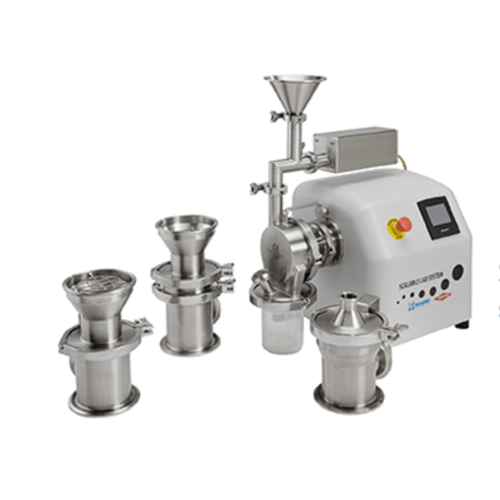
The fine grinding hammer mill is a high-performance size reduction machine engineered to transform bulk materials into fine, uniform powders with exceptional efficiency. At its core, the machine uses a series of rotating hammers mounted on a high-speed rotor to repeatedly strike, shatter, and pulverize feed material until it passes through a precision screen. This mechanical action delivers consistent particle size distribution, making the fine grinding hammer mill a trusted solution across a wide range of processing industries. The primary function of the fine grinding hammer mill is to reduce the particle size of solid materials to a fine or ultra-fine level. Whether processing dry granules, fibrous biomass, brittle minerals, or agricultural products, the machine adapts to diverse material characteristics through adjustable rotor speed, interchangeable screens, and configurable hammer arrangements. This flexibility allows operators to dial in the exact output fineness required for their specific application without investing in multiple machines. From a technological standpoint, the fine grinding hammer mill incorporates several advanced design elements. Heavy-duty forged steel hammers resist wear and maintain impact force over extended operating cycles. The rotor assembly is dynamically balanced to minimize vibration, reduce bearing stress, and extend service life. An integrated air classification system within select models separates fine particles from coarser ones in real time, ensuring only on-spec material exits the grinding chamber. Dust containment features and sealed housings address environmental and workplace safety requirements. In terms of applications, the fine grinding hammer mill serves the animal feed industry by grinding grains and protein meals to precise nutritional specifications. It supports the chemical sector by pulverizing pigments, resins, and mineral fillers. Food processors rely on it for spice grinding, sugar milling, and starch production. Biomass energy producers use it to prepare wood chips and agricultural residues for pelletizing or combustion. Pharmaceutical manufacturers depend on it for active ingredient size reduction. This breadth of application underscores the machine's versatility and its central role in modern industrial processing workflows.

Popular Products

The fine grinding hammer mill delivers real, measurable benefits that directly impact your bottom line, your product quality, and your day-to-day operations. Here is a straightforward look at why so many processors choose this machine over competing technologies. First, it gives you precise control over particle size. You can swap out the bottom screen in minutes to shift from a coarser grind to a finer one without stopping production for long. That means you can run multiple product grades on a single machine, cutting capital costs and floor space requirements significantly. When your customer specs change, your equipment keeps up. Second, the fine grinding hammer mill runs at high throughput rates without sacrificing consistency. The rotor spins at speeds that generate enough impact energy to break down even tough, fibrous, or dense materials quickly. You get more finished product per hour compared to slower milling technologies, which translates directly into lower cost per ton and faster order fulfillment. Third, operating this machine does not require a team of specialists. The controls are straightforward, the maintenance access points are clearly designed, and hammer replacement takes a fraction of the time it would on more complex grinding systems. Your line operators can handle routine upkeep, keeping your maintenance budget lean and your downtime short. Fourth, the machine handles a broad range of raw materials without major reconfiguration. Grains, spices, minerals, biomass, chemical compounds, and pharmaceutical ingredients all respond well to hammer milling. That versatility means you can pivot your production line to new materials or new markets without buying new equipment. Fifth, energy efficiency is built into the design. Modern fine grinding hammer mill units use optimized airflow patterns inside the grinding chamber to carry finished particles away from the hammers as soon as they reach target size. This prevents over-grinding, reduces heat buildup, and lowers the energy consumed per unit of output. You pay less for electricity and protect heat-sensitive materials at the same time. Sixth, the robust construction of the fine grinding hammer mill keeps long-term ownership costs low. Hardened steel hammers, reinforced liners, and sealed bearing assemblies are built to withstand continuous industrial use. Replacement parts are standardized and widely available, so you are never waiting weeks for a critical component. Seventh, the machine integrates cleanly into existing production lines. Whether you need gravity feed, pneumatic conveying, or a screw auger to deliver material to the inlet, the fine grinding hammer mill accommodates standard connection interfaces. Downstream equipment like cyclone separators, bag filters, and packaging systems connect without custom fabrication. Eighth, safety and compliance are addressed at the design level. Enclosed grinding chambers contain dust and noise, helping you meet workplace safety standards without expensive add-on enclosures. Optional explosion-proof configurations are available for facilities processing combustible powders. In summary, the fine grinding hammer mill gives you speed, flexibility, reliability, and cost efficiency in one compact package. It is a practical investment that pays back quickly through higher output, lower operating costs, and the ability to serve a wider range of customers and product specifications.

Practical Tips

What are cardboard packing boxes and how do they work?

25

May

What are cardboard packing boxes and how do they work?

When businesses and individuals need a reliable, cost-effective, and versatile solution for protecting goods during storage or transit, cardboard packing boxes consistently emerge as the go-to choice. These containers are constructed from layers of p...
View More
How Does Press Tooling Design Impact Production Efficiency?

25

May

How Does Press Tooling Design Impact Production Efficiency?

In high-volume manufacturing environments, the design of Press Tooling is one of the most consequential engineering decisions a production team can make. From cycle time to scrap rate, from die longevity to operator safety, the geometry, material sel...
View More
How Does Blister Packing Tooling Improve Production Speed?

25

May

How Does Blister Packing Tooling Improve Production Speed?

In high-volume pharmaceutical and consumer goods manufacturing, every second on the production line carries real cost. When facilities look for ways to accelerate output without compromising quality, the conversation almost always returns to the same...
View More
Which Materials Work Best with Blister Packing Tooling?

25

May

Which Materials Work Best with Blister Packing Tooling?

Selecting the right material for Blister Packing Tooling is one of the most consequential decisions a pharmaceutical or consumer goods manufacturer can make. The material determines not only how well the tooling performs during forming, sealing, and ...
View More

Get a Free Quote

Our representative will contact you soon.
Email
Name
Company Name
Message
0/1000

fine grinding hammer mill

Precision Particle Size Control Through Interchangeable Screen Technology

Precision Particle Size Control Through Interchangeable Screen Technology

One of the most valuable features of the fine grinding hammer mill is its screen-based particle size control system. Unlike some milling technologies that require mechanical adjustments deep inside the machine to change output fineness, the fine grinding hammer mill uses a bottom-mounted screen that operators can swap out quickly and without specialized tools. This design puts precise control directly in the hands of your production team. The screen acts as the final arbiter of particle size. Material circulates inside the grinding chamber, struck repeatedly by the rotating hammers, until individual particles are small enough to pass through the screen openings. By selecting a screen with smaller perforations, you produce a finer powder. By choosing a screen with larger openings, you produce a coarser grind. This straightforward relationship between screen size and output fineness makes it easy to predict results and maintain product consistency across production runs. For businesses that manufacture multiple product grades or serve customers with varying specifications, this capability is a significant competitive advantage. You can produce a fine spice powder in the morning and switch to a medium-grind animal feed ingredient in the afternoon using the same machine. The changeover takes minutes, not hours, and does not require recalibration of complex mechanical systems. The screens themselves are manufactured from hardened stainless steel or carbon steel, depending on the application, and are designed to resist deformation under the continuous impact and airflow forces inside the grinding chamber. Wear-resistant coatings and precision-punched or laser-cut perforations ensure that the stated opening size remains accurate throughout the screen's service life, protecting your product quality over time. From a quality assurance perspective, the screen system also simplifies documentation and process validation. You can record which screen was used for each production batch, creating a clear audit trail that supports regulatory compliance in food, pharmaceutical, and chemical processing environments. When a screen reaches the end of its service life, replacement is straightforward and cost-effective. Standardized screen dimensions mean you can maintain a small inventory of spare screens without tying up significant capital. Overall, the interchangeable screen system of the fine grinding hammer mill gives you a level of production flexibility and quality control that is difficult to match with alternative milling technologies, making it a cornerstone feature for any operation that values adaptability and precision.
High-Speed Rotor Design for Maximum Throughput and Consistent Impact Energy

High-Speed Rotor Design for Maximum Throughput and Consistent Impact Energy

The performance of any hammer mill depends fundamentally on the rotor, and the fine grinding hammer mill is built around a rotor system engineered for both power and longevity. The rotor assembly carries multiple rows of hardened steel hammers arranged in a pattern that ensures every portion of the grinding chamber receives consistent impact coverage. As material enters the chamber, it encounters a wall of high-velocity hammer tips moving at precisely controlled speeds, resulting in rapid and uniform size reduction. The rotor in the fine grinding hammer mill is dynamically balanced to exacting tolerances. This balancing process eliminates the vibration that would otherwise stress bearings, loosen fasteners, and create noise in the surrounding structure. A balanced rotor runs smoothly at high speeds, which means you can operate the machine at peak performance continuously without accelerating wear on critical components. The practical result is a longer service interval between maintenance stops and a lower total cost of ownership over the machine's lifespan. Rotor speed is a key process variable, and the fine grinding hammer mill gives operators the ability to adjust it to match the material being processed. Harder, denser materials benefit from higher tip speeds that deliver more impact energy per strike. Softer or more friable materials can be processed at lower speeds to prevent over-reduction and minimize heat generation. Variable frequency drives on modern fine grinding hammer mill installations make this adjustment simple and repeatable, allowing your team to store speed settings for each product and recall them instantly at the start of a production run. The hammers themselves are reversible and replaceable, which extends their useful life and reduces the cost of wear parts. When one face of a hammer becomes worn, operators flip it to expose a fresh striking surface before eventually replacing the hammer entirely. This design philosophy keeps consumable costs predictable and minimizes the time your machine spends out of service. High throughput is the direct outcome of this rotor design. The combination of high tip speed, full chamber coverage, and efficient material discharge means the fine grinding hammer mill processes more material per hour than many competing technologies of similar installed power. For high-volume operations, this translates into a lower cost per ton of finished product and a faster return on the initial equipment investment.
Versatile Material Compatibility Across Diverse Industrial Applications

Versatile Material Compatibility Across Diverse Industrial Applications

A defining strength of the fine grinding hammer mill is its ability to process an exceptionally wide range of materials without requiring fundamental changes to the machine's configuration. This versatility stems from the combination of adjustable operating parameters, a variety of available hammer profiles, and a range of screen sizes that together allow the machine to be tuned for the specific characteristics of each material it encounters. In the agricultural and animal feed industries, the fine grinding hammer mill handles grains such as corn, wheat, barley, and sorghum, as well as protein meals, dried legumes, and fibrous crop residues. The machine reduces these materials to the particle sizes required for optimal animal nutrition and feed pellet quality. Consistent grind size improves pellet durability and feed conversion ratios, delivering measurable value to feed manufacturers and their livestock producer customers. In the food processing sector, the fine grinding hammer mill is used for spice grinding, sugar milling, dried vegetable powder production, and starch processing. Food-grade construction options, including stainless steel contact surfaces and hygienic design features, ensure that the machine meets the cleanliness and contamination prevention standards required in food manufacturing environments. The ability to achieve fine, uniform particle sizes enhances the flavor release, texture, and appearance of finished food products. Chemical and mineral processors rely on the fine grinding hammer mill to reduce pigments, fillers, resins, fertilizers, and industrial minerals to specification. The machine's enclosed design contains dust generated during processing, protecting both workers and the surrounding environment. For combustible powders, explosion-proof configurations provide the additional safety margins required by industry regulations. Biomass energy producers use the fine grinding hammer mill to prepare wood chips, agricultural straw, and energy crops for pelletizing or direct combustion. Reducing particle size increases the bulk density and combustion efficiency of biomass fuels, improving the economics of renewable energy production. Pharmaceutical applications benefit from the machine's ability to reduce active ingredients and excipients to the fine particle sizes required for tablet compression, capsule filling, and dry powder inhalation formulations. The fine grinding hammer mill's broad material compatibility means that a single investment in this equipment can serve multiple production lines or product categories within your facility, maximizing the return on your capital expenditure and giving your business the flexibility to grow into new markets.

Get a Free Quote

Our representative will contact you soon.
Email
Name
Company Name
Message
0/1000