pharmaceutical machine tooling
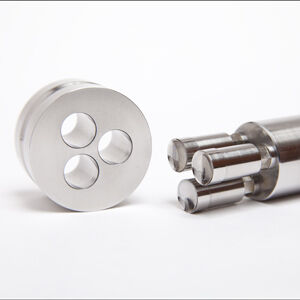
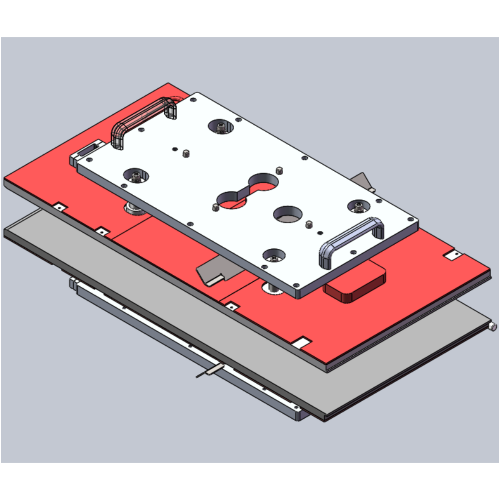
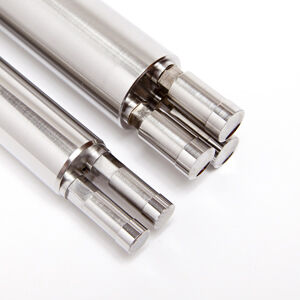
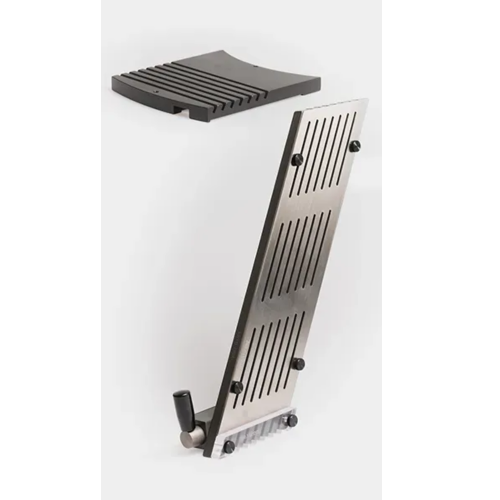
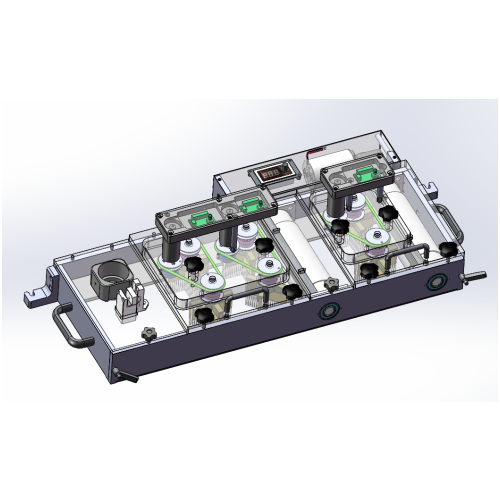
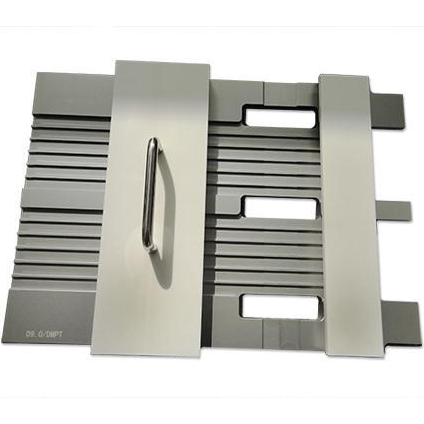
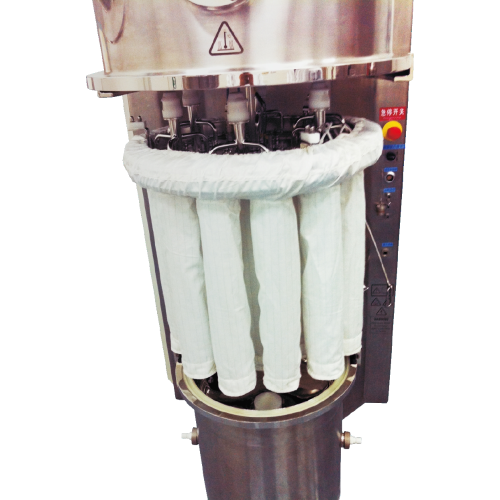
Pharmaceutical machine tooling represents essential components that enable the production of high-quality medications through precision manufacturing equipment. These specialized tools work within tablet presses, capsule fillers, and coating machines to transform raw pharmaceutical ingredients into finished dosage forms. The pharmaceutical machine tooling includes punches, dies, and various precision instruments designed specifically for medicine production. Every piece of pharmaceutical machine tooling must meet strict regulatory standards to ensure patient safety and product consistency. The main functions of pharmaceutical machine tooling center on shaping, compressing, and forming pharmaceutical products with exact specifications. These tools create tablets of uniform weight, thickness, and hardness while maintaining the chemical integrity of active ingredients. The technological features of modern pharmaceutical machine tooling incorporate advanced materials like hardened steel alloys and carbide compositions that resist wear and corrosion. Many contemporary pharmaceutical machine tooling sets feature specialized coatings that prevent product contamination and extend operational lifespan. Precision engineering allows pharmaceutical machine tooling to achieve tolerances measured in micrometers, ensuring each tablet or capsule meets exact dimensional requirements. The applications of pharmaceutical machine tooling span across various sectors of medicine production, from generic drug manufacturing to specialized pharmaceutical formulations. Pharmaceutical companies rely on this tooling for producing pain relievers, antibiotics, vitamins, and life-saving medications. The versatility of pharmaceutical machine tooling allows manufacturers to switch between different product lines efficiently, accommodating various tablet shapes, sizes, and formulations. Quality pharmaceutical machine tooling directly impacts production efficiency, reducing downtime and minimizing waste during manufacturing processes. Modern pharmaceutical machine tooling integrates with automated systems, enabling high-speed production while maintaining stringent quality control standards that regulatory bodies demand for pharmaceutical products.

 EN
EN